Milk VS Paneer
A detailed nutritional comparison
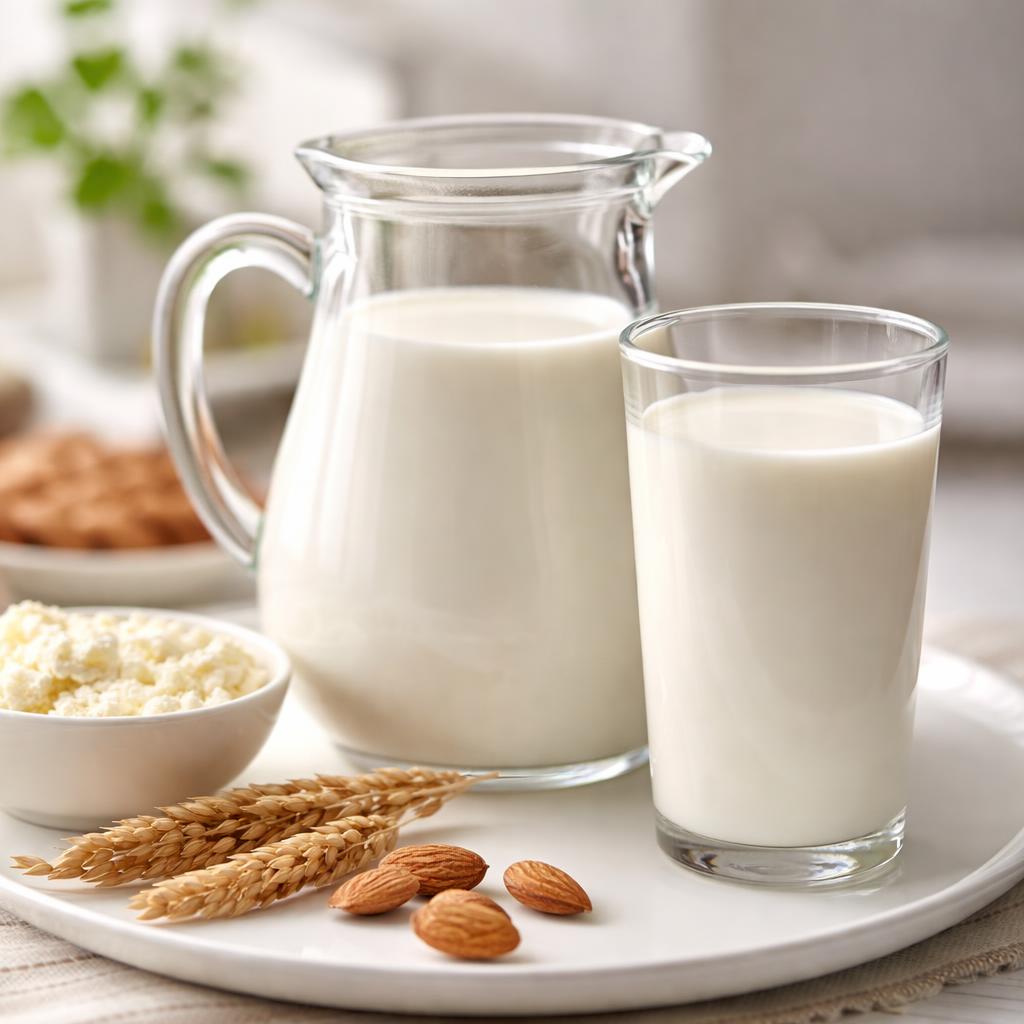
Milk
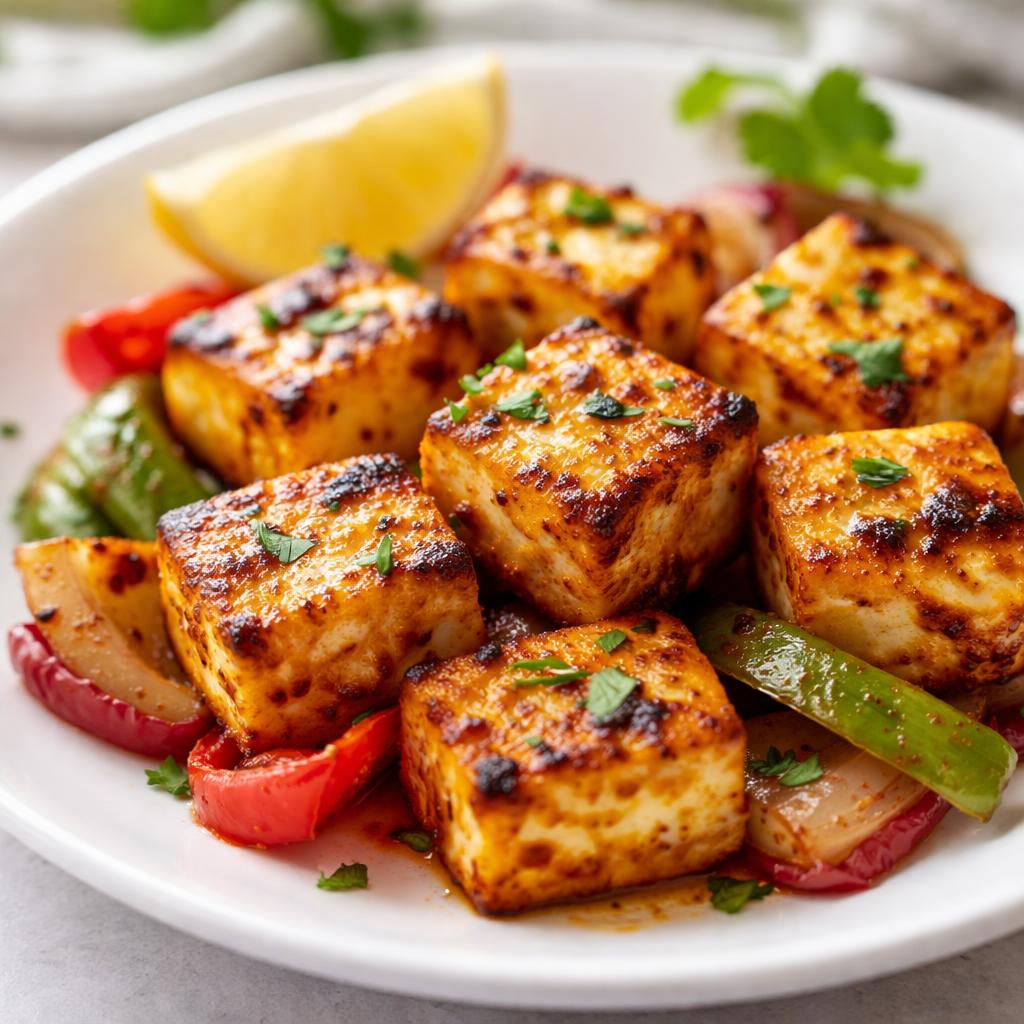
Paneer
🎯 Quick Verdict
Milk is a lower-calorie option ideal for hydration and quick energy, providing a good mix of calcium, vitamin D, and protein. Paneer is more nutrient-dense, with significantly higher protein and fat, making it suitable for muscle gain, keto diets, or sustained energy. Overall, milk is better for weight control, while paneer offers more substantial nutrition per serving.

Smart Nutrition Tracking with SnapCalorie

📊 Nutritional Comparison
Macronutrients
| Nutrient | Food 1 | Food 2 | Winner |
|---|---|---|---|
| Calories | 150 calories (1 cup, 240ml) | 265 calories (100g) | − |
| Protein | 8g | 18g | − |
| Carbs | 12g | 5g | − |
| Fat | 5g | 20g | − |
| Fiber | 0g | 0g | − |
Vitamins & Minerals
| Nutrient | Food 1 | Food 2 | Winner |
|---|---|---|---|
| Vitamin D | 2mcg | 0mcg | − |
| Calcium | 300mg | 480mg | − |
| Iron | 0mg | 0.3mg | − |
🏆 Category Winners
Protein
Paneer contains 125% more protein than milk.
Fiber
Neither milk nor paneer contains dietary fiber.
Calories
Milk has 43% fewer calories per serving than paneer.
Vitamins
Milk has a higher concentration of vitamin D to support bone health.
🥗 Diet Compatibility
Keto
Food 1: Partially Compatible
Food 2: Compatible
Paneer is high-fat, low-carb, perfect for keto.
Vegan
Food 1: Not Compatible
Food 2: Not Compatible
Both are dairy-based, unsuitable for vegan diets.
Gluten Free
Food 1: Compatible
Food 2: Compatible
Neither milk nor paneer contains gluten.
Paleo
Food 1: Not Compatible
Food 2: Not Compatible
Both are processed foods, unsuitable for strict paleo diets.
Low-Carb
Food 1: Not Ideal
Food 2: Ideal
Paneer is much lower in carbs, making it better for low-carb diets.
💪 Health Benefits Comparison
Food 1 Benefits
- Excellent source of calcium for strong bones and teeth
- Provides vitamin D to aid calcium absorption
- Hydrates and replenishes energy post-exercise
Food 2 Benefits
- Rich in protein for muscle repair and growth
- High in fat for sustained energy
- Contains calcium and phosphorus for bone health
✅ The Bottom Line
Choose milk if you need a low-calorie, hydrating option rich in vitamin D and quick energy before or after workouts. Opt for paneer if you're seeking a protein-packed food for muscle gain or a nutrient-dense choice for keto or low-carb diets.
Choose Food 1 for: Weight control, quick energy, hydration
Choose Food 2 for: Muscle gain, sustained energy, low-carb diets


