Milk VS Orange Juice
A detailed nutritional comparison
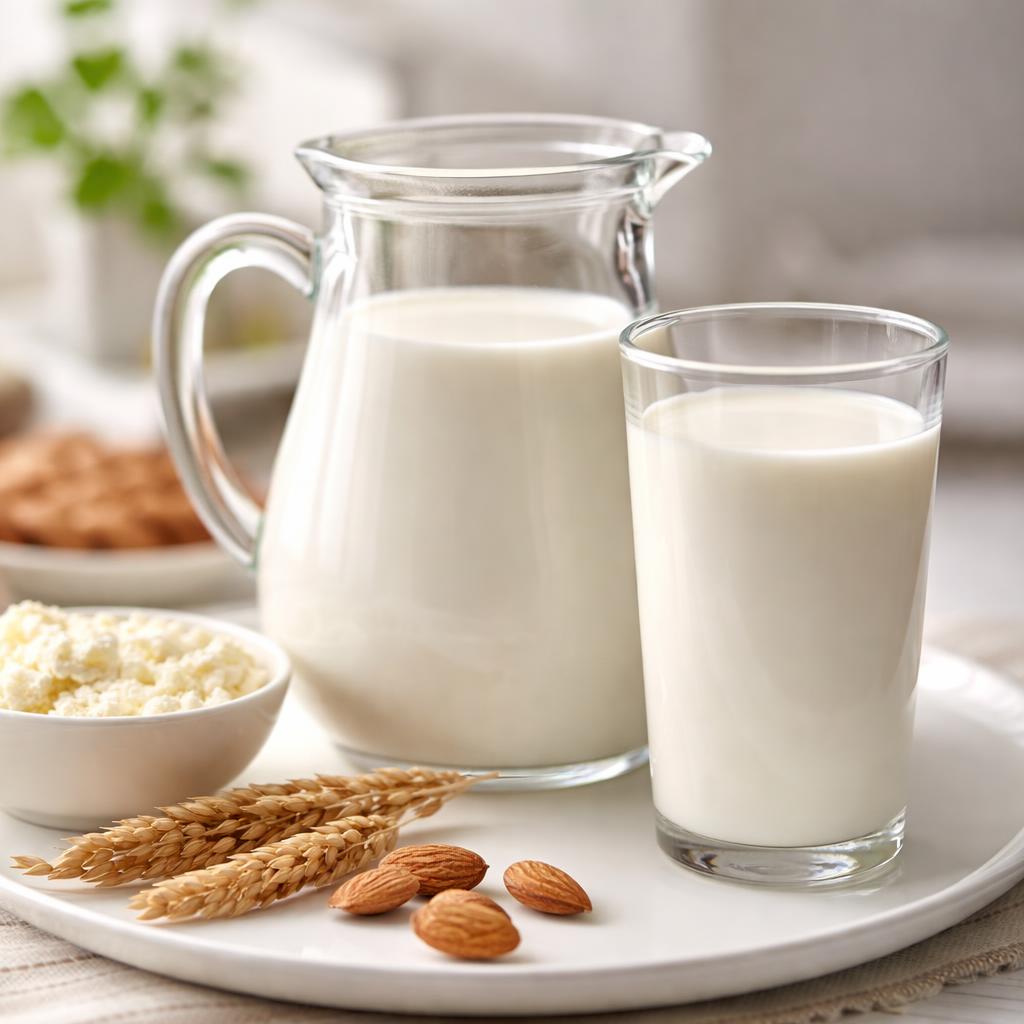
Milk

Orange Juice
🎯 Quick Verdict
Milk is higher in protein, calcium, and vitamin D, making it ideal for muscle and bone health, while orange juice is rich in vitamin C and antioxidants, benefiting immune health. Milk is better suited for those seeking a complete nutrient profile, while orange juice provides a lighter option with a boost of hydration and micronutrients.

Smart Nutrition Tracking with SnapCalorie

📊 Nutritional Comparison
Macronutrients
| Nutrient | Food 1 | Food 2 | Winner |
|---|---|---|---|
| Calories | 103 | 112 | − |
| Protein | 8g | 1g | − |
| Carbs | 12g | 26g | − |
| Fat | 2.4g | 0g | − |
| Fiber | 0g | 0.5g | − |
Vitamins & Minerals
| Nutrient | Food 1 | Food 2 | Winner |
|---|---|---|---|
| Vitamin D | 2mcg | 0mcg | − |
| Calcium | 305mg | 27mg | − |
| Vitamin C | 1mg | 93mg | − |
| Potassium | 366mg | 496mg | − |
🏆 Category Winners
Protein
Milk contains 8g of protein per serving, compared to only 1g in orange juice.
Fiber
Orange juice contains 0.5g of fiber per serving, while milk has none.
Calories
Milk has slightly fewer calories than orange juice (103 vs 112 per serving).
Vitamins
Each food excels in different vitamins: milk is rich in calcium and vitamin D, while orange juice provides high vitamin C and potassium.
🥗 Diet Compatibility
Keto
Food 1: Not Compatible
Food 2: Not Compatible
Both contain moderate carbs, unsuitable for strict keto diets.
Vegan
Food 1: Not Compatible
Food 2: Compatible
Milk is an animal product, whereas orange juice is plant-based.
Gluten Free
Food 1: Compatible
Food 2: Compatible
Neither milk nor orange juice contain gluten.
Paleo
Food 1: Not Compatible
Food 2: Compatible
Milk is excluded from paleo diets, while orange juice fits within paleo guidelines.
Low Carbohydrate
Food 1: Not Compatible
Food 2: Not Compatible
The carbohydrate content of both foods is relatively high.
💪 Health Benefits Comparison
Food 1 Benefits
- High protein content aids muscle repair and growth.
- Rich in calcium supporting bone strength and density.
- Provides vitamin D for enhanced calcium absorption and immune health.
Food 2 Benefits
- High in vitamin C, boosting immunity and skin health.
- Contains potassium to support healthy blood pressure and electrolyte balance.
- Provides antioxidants that combat free radicals and reduce oxidative stress.
✅ The Bottom Line
Milk and orange juice both offer unique health benefits and deserve a place in a balanced diet. Choose milk for protein, calcium, and vitamin D, especially if you are active or looking to support muscle and bone health. Opt for orange juice for a refreshing vitamin C boost and antioxidants, ideal for hydration and immune support.
Choose Food 1 for: Muscle repair, bone health, post-workout recovery
Choose Food 2 for: Immune support, hydration, energy boost


