Milk VS Mixed Vegetables
A detailed nutritional comparison
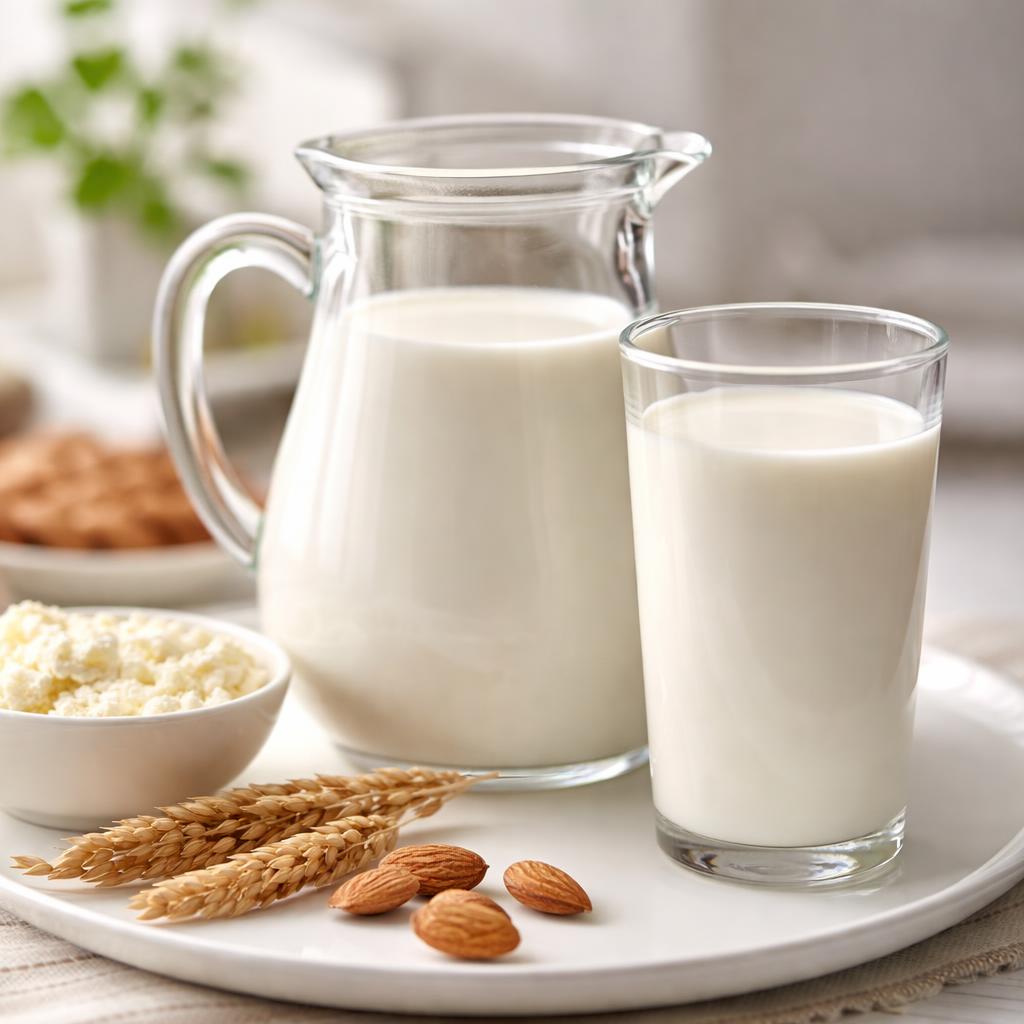
Milk
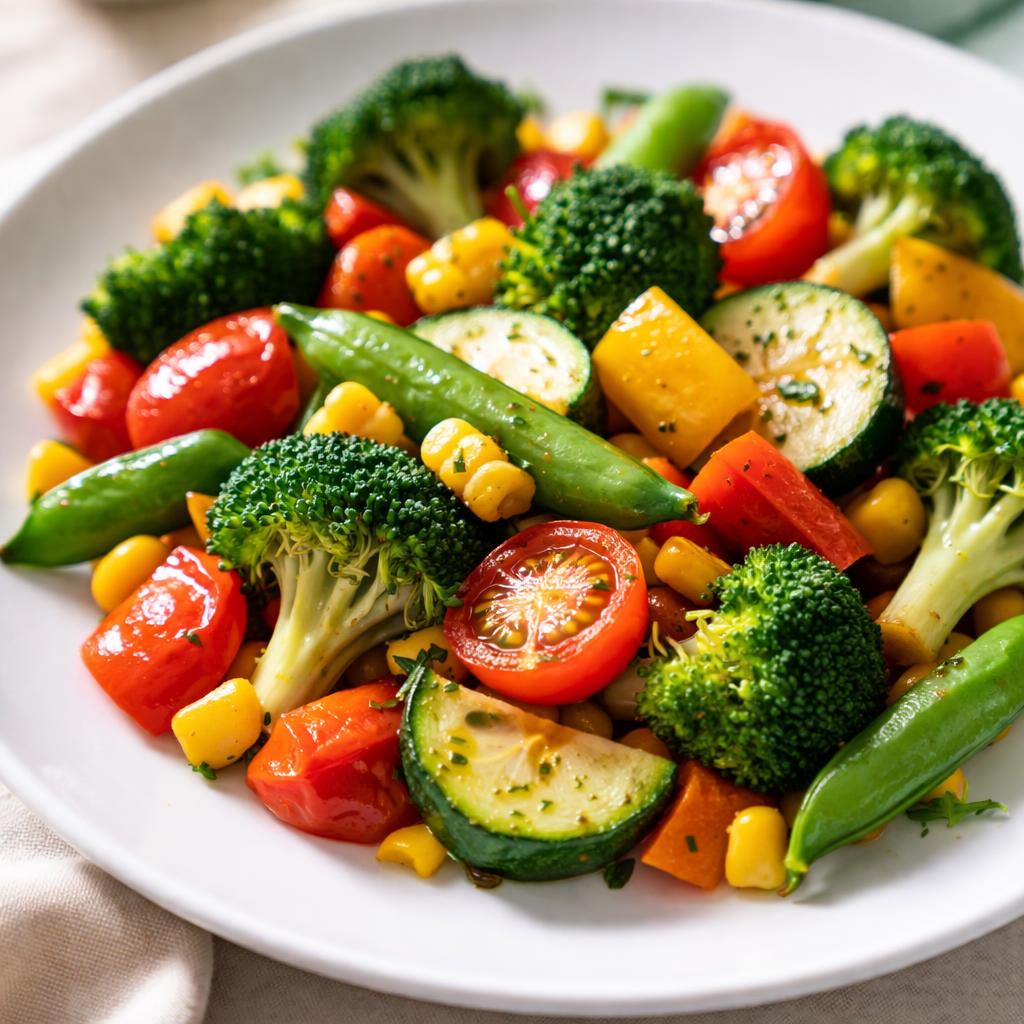
Mixed Vegetables
🎯 Quick Verdict
Milk is a high-protein option ideal for muscle maintenance, recovery, and a good source of calcium and vitamin D. Mixed vegetables offer low-calorie, high-fiber nutrition with abundant vitamins and minerals, making them great for digestion and overall health. Choose milk for protein needs and mixed vegetables for nutrient and fiber density.

Smart Nutrition Tracking with SnapCalorie

📊 Nutritional Comparison
Macronutrients
| Nutrient | Food 1 | Food 2 | Winner |
|---|---|---|---|
| Calories | 103 (per cup, 2% fat) | 70 (per cup, cooked) | ✓ |
| Protein | 8g | 2g | ✓ |
| Carbs | 12g | 13g | ✓ |
| Fat | 2.4g | 0.3g | ✓ |
| Fiber | 0g | 3g | ✓ |
Vitamins & Minerals
| Nutrient | Food 1 | Food 2 | Winner |
|---|---|---|---|
| Vitamin D | 2.9mcg (fortified) | 0mcg | ✓ |
| Vitamin A | 100IU | 1810IU | ✓ |
| Calcium | 290mg | 40mg | ✓ |
| Iron | 0.1mg | 1.5mg | ✓ |
| Vitamin C | 0mg | 9mg | ✓ |
🏆 Category Winners
Protein
Milk provides 8g of protein per cup, significantly more than mixed vegetables.
Fiber
Mixed vegetables contain 3g of fiber per cup, while milk has none.
Calories
Mixed vegetables have lower calories, with 70 per cup versus milk’s 103 per cup.
Vitamins
Mixed vegetables excel in vitamins like A, C, and iron, while milk shines in calcium and fortified vitamin D.
🥗 Diet Compatibility
Keto
Food 1: Not Compatible
Food 2: Compatible
Mixed vegetables are low-carb, while milk contains more carbohydrates.
Vegan
Food 1: Not Compatible
Food 2: Compatible
Milk is an animal product, whereas mixed vegetables are plant-based.
Gluten Free
Food 1: Compatible
Food 2: Compatible
Neither contains gluten.
Paleo
Food 1: Not Compatible
Food 2: Compatible
Milk is not permitted on paleo diets, but mixed vegetables fit the criteria.
Low-Carb
Food 1: Not Compatible
Food 2: Compatible
Mixed vegetables have fewer carbohydrates (13g) compared to milk (12g) and are more diverse in nutrients.
💪 Health Benefits Comparison
Food 1 Benefits
- Rich in protein for muscle and tissue repair
- Good source of calcium for bone health
- Fortified with vitamin D for immune and bone support
Food 2 Benefits
- High in fiber to support digestion and gut health
- Rich in vitamin A for eye health and skin repair
- Contains antioxidants like vitamin C for immunity boost
- Low-calorie option suitable for weight management
✅ The Bottom Line
Milk is excellent for anyone looking to meet protein and calcium needs, especially for muscle recovery or bone health. Mixed vegetables, on the other hand, are an ideal choice for nutrient density, digestion, and overall weight management. Incorporate both into your diet for balanced nutrition.
Choose Food 1 for: Protein-focused diets, bone health, post-workout recovery
Choose Food 2 for: Weight management, fiber intake, vitamin and mineral enrichment


