Milk VS Mexican Rice
A detailed nutritional comparison
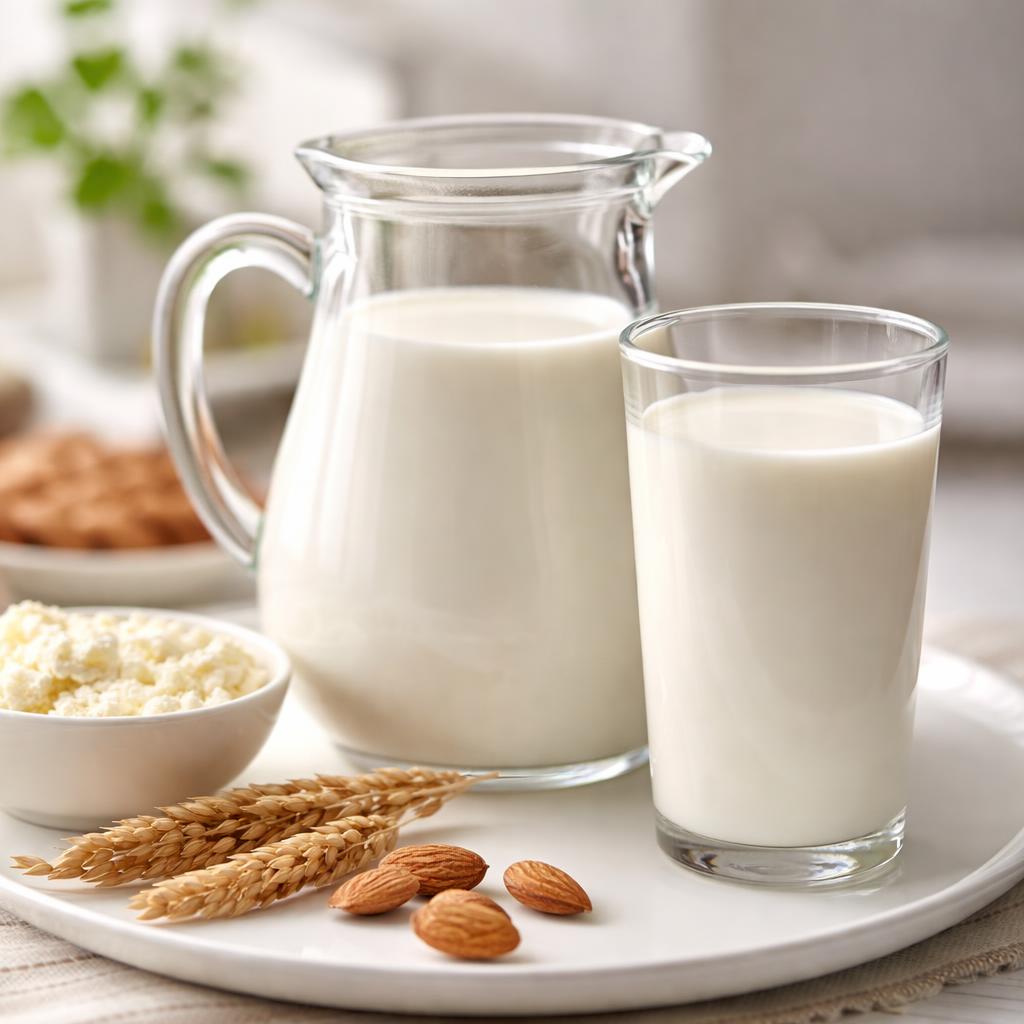
Milk
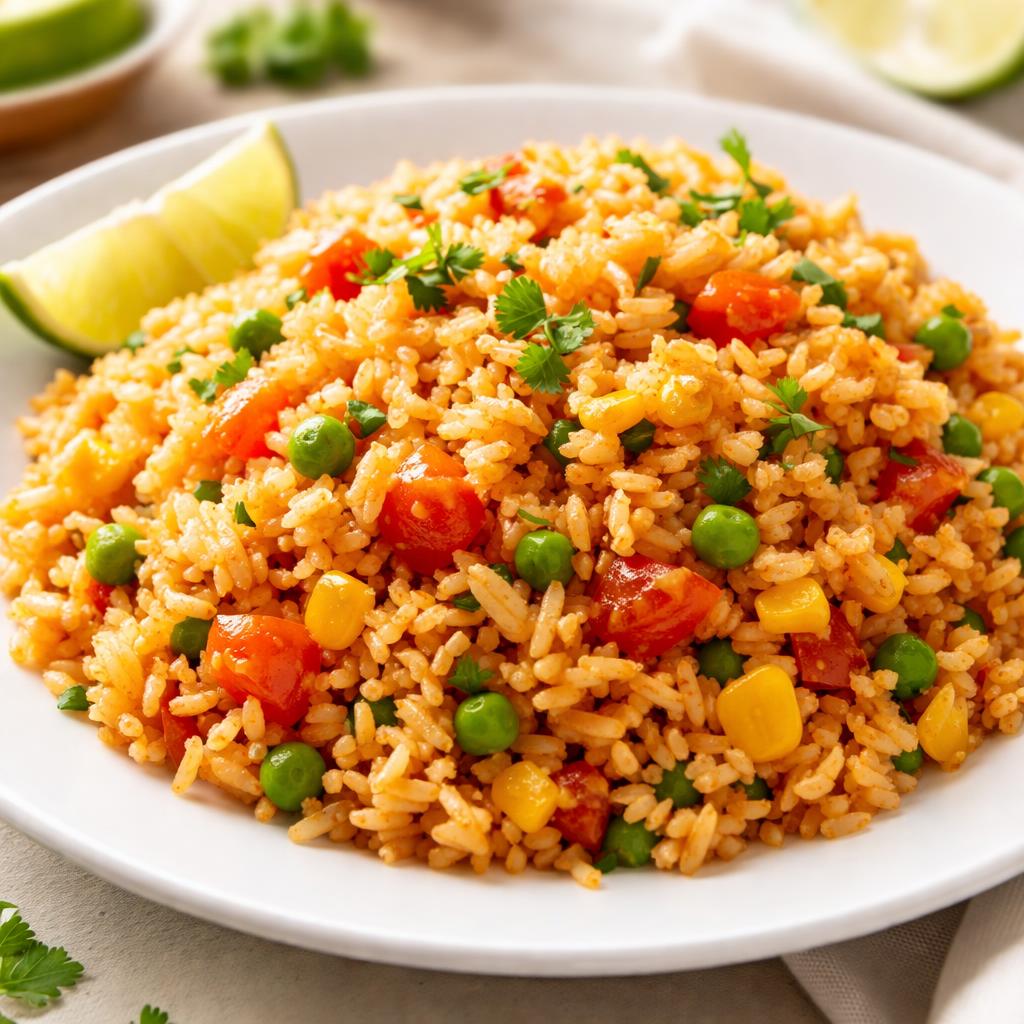
Mexican Rice
🎯 Quick Verdict
Milk is higher in protein and provides essential vitamins like calcium and vitamin D, making it ideal for muscle maintenance and bone health. On the other hand, Mexican rice offers more fiber and carbohydrates, making it suitable for sustained energy and digestion. Choose milk for nutrition-packed beverages or post-workout recovery and Mexican rice for hearty, energy-dense meals.

Smart Nutrition Tracking with SnapCalorie

📊 Nutritional Comparison
Macronutrients
| Nutrient | Food 1 | Food 2 | Winner |
|---|---|---|---|
| Calories | 150 per cup (240ml) | 150 per cup (185g) | − |
| Protein | 8g | 4g | ✓ |
| Carbs | 12g | 35g | ✓ |
| Fat | 8g (whole milk) | 4g | ✓ |
| Fiber | 0g | 2g | ✓ |
Vitamins & Minerals
| Nutrient | Food 1 | Food 2 | Winner |
|---|---|---|---|
| Vitamin D | 2-3mcg per cup | 0mcg | ✓ |
| Calcium | 300mg | 25mg | ✓ |
| Iron | 0.2mg | 1.5mg | ✓ |
🏆 Category Winners
Protein
Milk contains double the protein of Mexican rice, making it ideal for muscle maintenance.
Fiber
Mexican rice is a better source of fiber, offering 2g per serving vs. none in milk.
Calories
Both foods offer comparable calorie counts per serving.
Vitamins
Milk provides significant amounts of calcium and vitamin D, while Mexican rice has limited micronutrients.
🥗 Diet Compatibility
Keto
Food 1: Not Compatible
Food 2: Not Compatible
Both foods are high in carbs, exceeding keto standards.
Vegan
Food 1: Not Compatible
Food 2: Compatible
Milk is animal-derived, whereas Mexican rice is plant-based.
Gluten Free
Food 1: Compatible
Food 2: Compatible
Neither food contains gluten in standard preparations.
Paleo
Food 1: Not Compatible
Food 2: Compatible
Milk is excluded from paleo diets, while Mexican rice can fit within paleo frameworks depending on ingredients.
Low Carb
Food 1: Not Compatible
Food 2: Not Compatible
Both foods contain significant amounts of carbohydrates, making them unsuitable for low-carb diets.
💪 Health Benefits Comparison
Food 1 Benefits
- Excellent source of calcium for bone health
- Provides protein for muscle maintenance and repair
- Offers vitamin D to support immune function and calcium absorption
- Contains healthy fats in whole milk for energy and vitamin absorption
Food 2 Benefits
- Rich in carbohydrates for sustained energy
- Includes dietary fiber to aid digestion and support gut health
- Contains iron for improved oxygen transport in the blood
- May provide antioxidants depending on preparation (e.g., tomatoes or spices)
✅ The Bottom Line
Milk is the superior choice for protein, vitamins, and bone health, ideal for individuals focused on muscle maintenance, post-workout recovery, or improving calcium intake. Mexican rice, however, provides sustained energy with its higher carb content and some fiber, making it better suited for hearty meals or energy-demanding activities. Choose milk for drinks and nutrition, and Mexican rice for flavorful, energy-packed dishes.
Choose Food 1 for: Bone health, muscle repair, post-workout, calcium intake
Choose Food 2 for: Sustained energy, digestion, hearty meal options, plant-based diets


