Milk VS Gelato
A detailed nutritional comparison
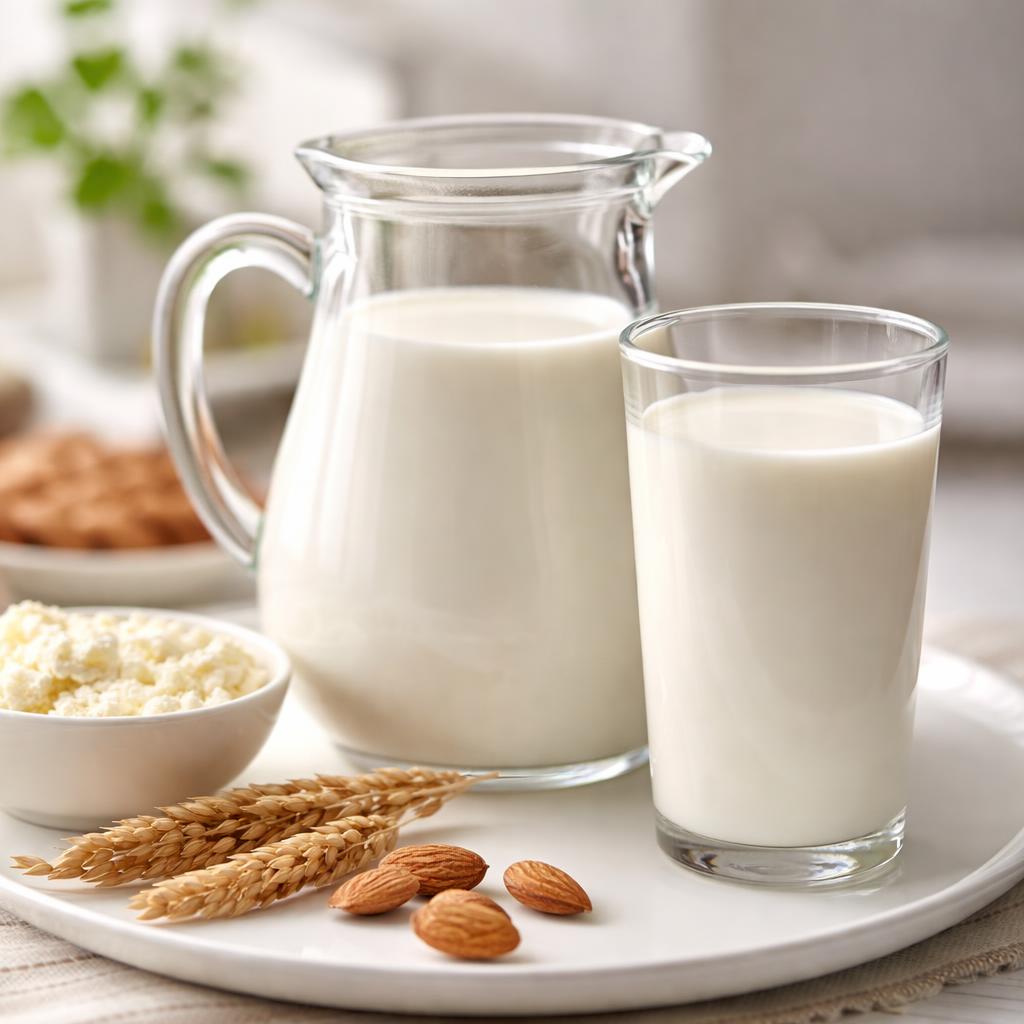
Milk
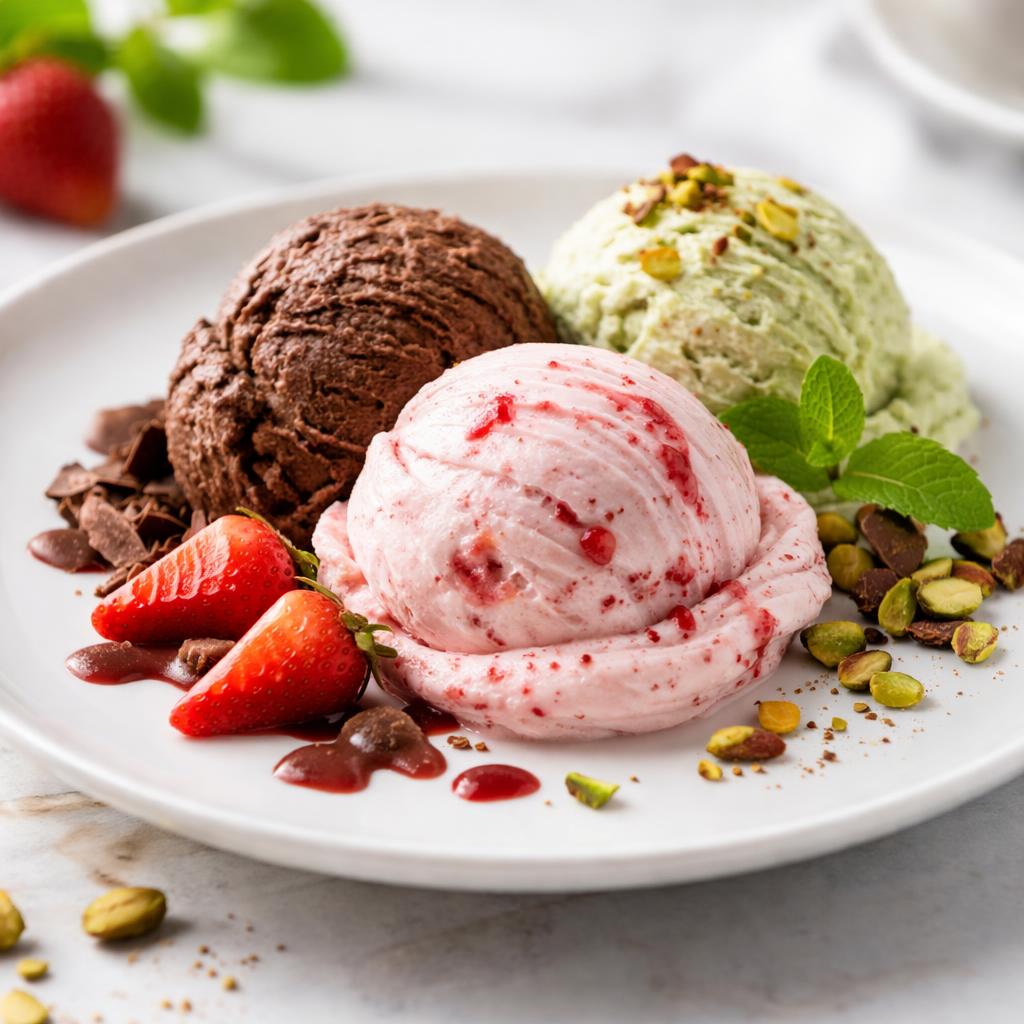
Gelato
🎯 Quick Verdict
Milk is a nutrient-dense beverage offering high protein and calcium, making it ideal for bone health and muscle maintenance. Gelato, while less nutritious, provides more sugar and fat, making it a treat for energy and indulgence. Milk is better for daily consumption, while gelato can be a dessert option in moderation.

Smart Nutrition Tracking with SnapCalorie

📊 Nutritional Comparison
Macronutrients
| Nutrient | Food 1 | Food 2 | Winner |
|---|---|---|---|
| Calories | 149 per cup (2% milk) | 210 per 1/2 cup | − |
| Protein | 8g | 3g | − |
| Carbs | 12g | 26g | − |
| Fat | 5g | 9g | − |
| Fiber | 0g | 0g | − |
Vitamins & Minerals
| Nutrient | Food 1 | Food 2 | Winner |
|---|---|---|---|
| Vitamin D | 2.4mcg | 0.2mcg | − |
| Calcium | 300mg | 100mg | − |
| Iron | 0mg | 0.1mg | − |
🏆 Category Winners
Protein
Milk contains nearly triple the protein content of gelato.
Fiber
Neither milk nor gelato contains dietary fiber.
Calories
Milk contains approximately 29% fewer calories per serving compared to gelato.
Vitamins
Milk offers significantly higher levels of Vitamin D and calcium.
🥗 Diet Compatibility
Keto
Food 1: Not Compatible
Food 2: Not Compatible
Both are too high in carbohydrates for a keto diet.
Vegan
Food 1: Not Compatible
Food 2: Not Compatible
Both foods are made from animal-based ingredients.
Gluten Free
Food 1: Compatible
Food 2: Potentially Compatible
Milk is naturally gluten-free; gelato may be gluten-free depending on added ingredients.
Paleo
Food 1: Not Compatible
Food 2: Not Compatible
Both foods are excluded from the paleo diet due to dairy and refined sugar content.
Low-Carb
Food 1: Compatible
Food 2: Not Compatible
Milk has fewer carbohydrates than gelato and is suitable for low-carb diets in moderate amounts.
💪 Health Benefits Comparison
Food 1 Benefits
- Rich source of calcium for bone health
- Contains 8g of protein for muscle building
- Includes Vitamin D for immune support
- Hydrating and nutrient-secure beverage
Food 2 Benefits
- Provides quick energy from sugars
- Contains some healthy fats from milk/cream
- Includes minor amounts of minerals like iron
- Can boost mood and act as a treat for indulgence
✅ The Bottom Line
Milk is the winner for daily nutrition needs, offering a balanced macro profile and essential vitamins like calcium and vitamin D. Gelato is better suited as an occasional treat due to its higher sugar and calorie content. Each food has distinct purposes based on dietary goals and context.
Choose Food 1 for: Bone health, muscle repair, hydration, daily use
Choose Food 2 for: Desserts, occasional indulgence, energy boost


