Milk VS Fish Curry
A detailed nutritional comparison
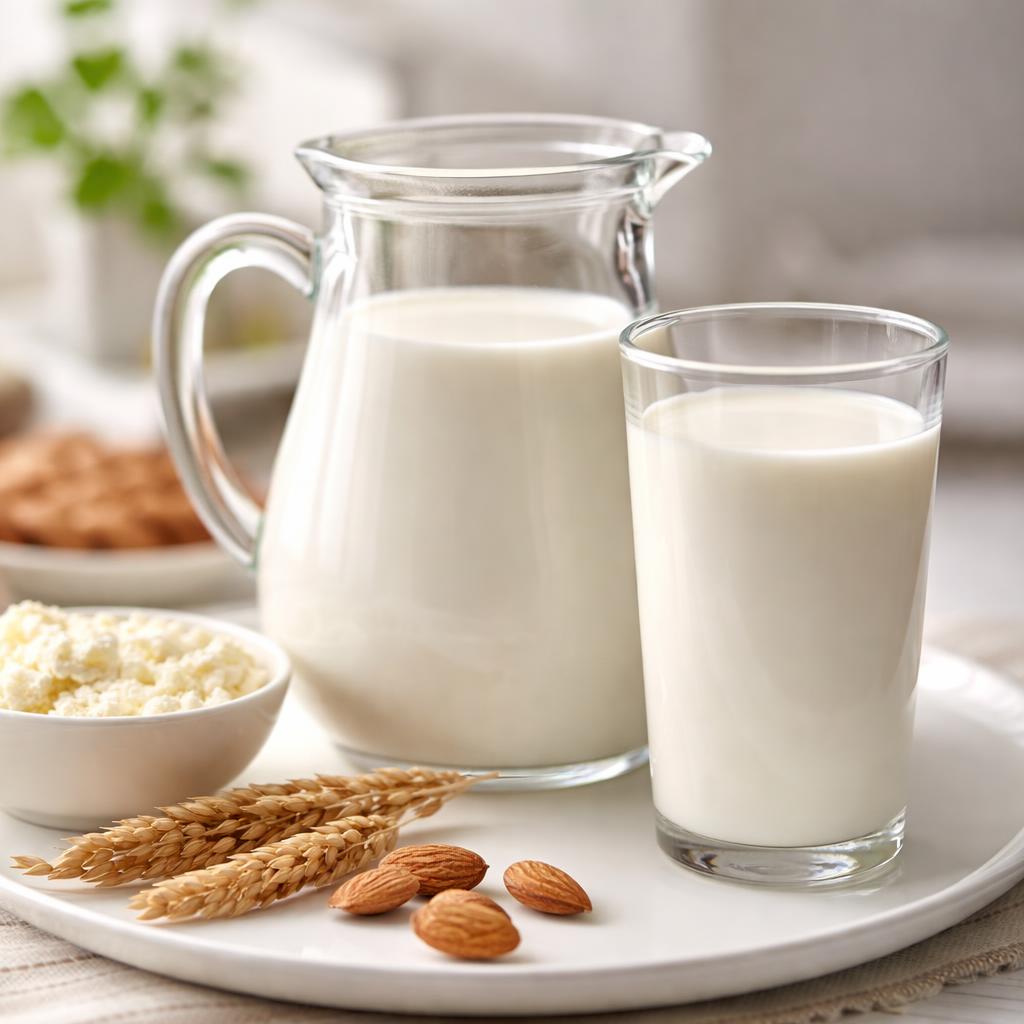
Milk
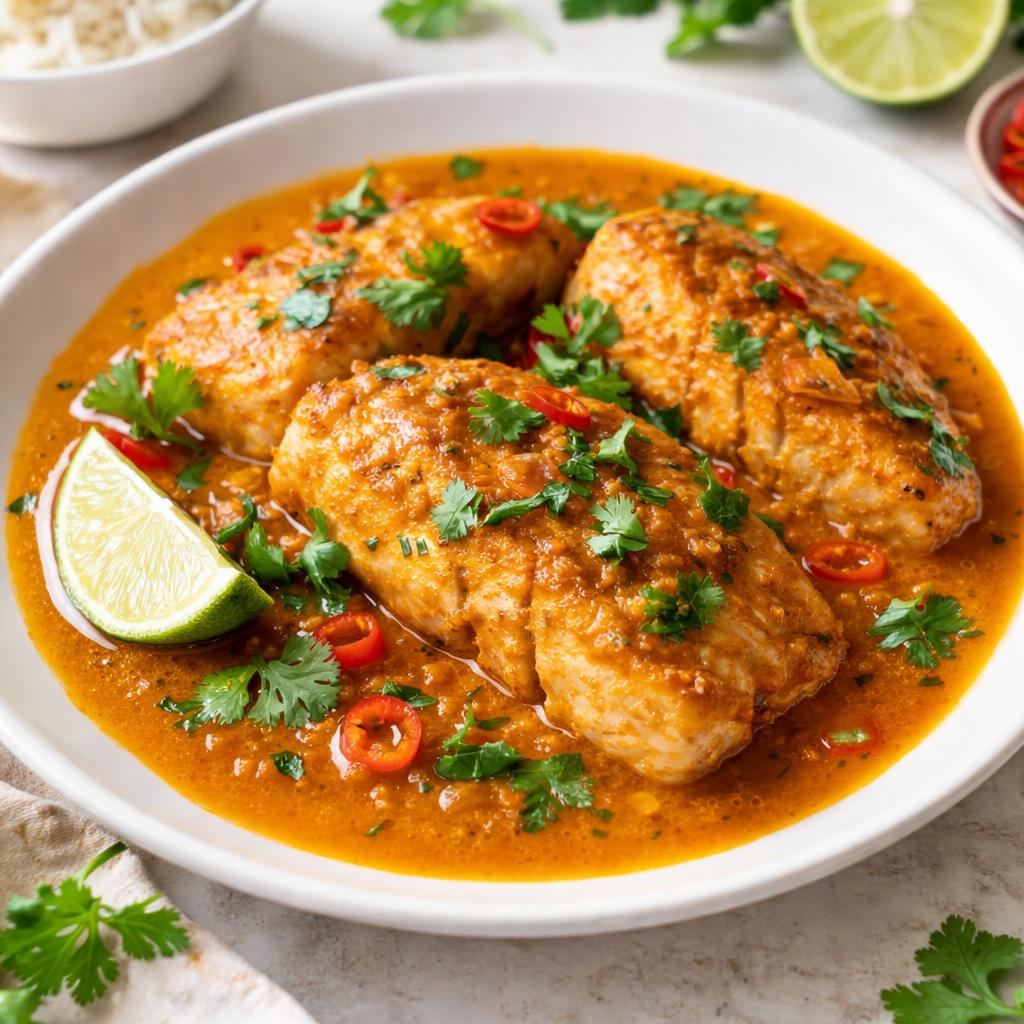
Fish Curry
🎯 Quick Verdict
Milk and fish curry differ significantly in nutritional value. Milk is a low-calorie, high-calcium option ideal for hydration and bone health, whereas fish curry is rich in protein, healthy fats, and fiber, making it better for muscle building and heart health. Choose milk for lighter meals and fish curry for a nutrient-dense and filling choice.

Smart Nutrition Tracking with SnapCalorie

📊 Nutritional Comparison
Macronutrients
| Nutrient | Food 1 | Food 2 | Winner |
|---|---|---|---|
| Calories | 150 kcal (1 cup/240ml) | 250 kcal (1 serving/200g) | ✓ |
| Protein | 8g | 22g | ✓ |
| Carbs | 12g | 10g | ✓ |
| Fat | 8g | 18g | ✓ |
| Fiber | 0g | 3g | ✓ |
Vitamins & Minerals
| Nutrient | Food 1 | Food 2 | Winner |
|---|---|---|---|
| Vitamin D | 2mcg | 4mcg | ✓ |
| Calcium | 300mg | 80mg | ✓ |
| Iron | 0mg | 2mg | ✓ |
| Omega-3 Fatty Acids | 0g | 1.8g | ✓ |
🏆 Category Winners
Protein
Fish curry contains nearly 3 times more protein than milk.
Fiber
Fish curry includes fiber from added vegetables and spices, which milk lacks.
Calories
Milk has 40% fewer calories per serving than fish curry.
Vitamins
Fish curry is richer in vitamin D, iron, and omega-3 fatty acids.
🥗 Diet Compatibility
Keto
Food 1: Not Compatible
Food 2: Compatible
Fish curry is rich in healthy fats and low in carbs.
Vegan
Food 1: Not Compatible
Food 2: Not Compatible
Both are animal-derived or contain animal products.
Gluten Free
Food 1: Compatible
Food 2: Compatible
Neither food contains gluten; check ingredients in fish curry for added gluten.
Paleo
Food 1: Not Compatible
Food 2: Compatible
Milk does not align with paleo principles, whereas fish curry does.
Low Carb
Food 1: Not Compatible
Food 2: Compatible
Milk has 12g carbs per serving, whereas fish curry has only 10g.
💪 Health Benefits Comparison
Food 1 Benefits
- High in calcium for bone health
- Contains vitamin D for immune support and calcium absorption
- Provides hydration and electrolytes
Food 2 Benefits
- Rich in protein for muscle building and repair
- Contains omega-3 fatty acids for heart and brain health
- Provides antioxidants and anti-inflammatory compounds from spices
- Includes iron for improved energy and oxygen transport
✅ The Bottom Line
Milk is a light and calcium-rich beverage suitable for hydration, bone health, or as a snack. Fish curry is a protein-rich, calorie-dense meal that promotes muscle repair and overall nutrient intake. Choose milk for lighter meals or snacks, and fish curry for hearty, nutrient-dense meals.
Choose Food 1 for: Bone health, light snacks, hydration
Choose Food 2 for: Muscle building, heart health, nutrient-rich meals


