Milk VS Eggs
A detailed nutritional comparison
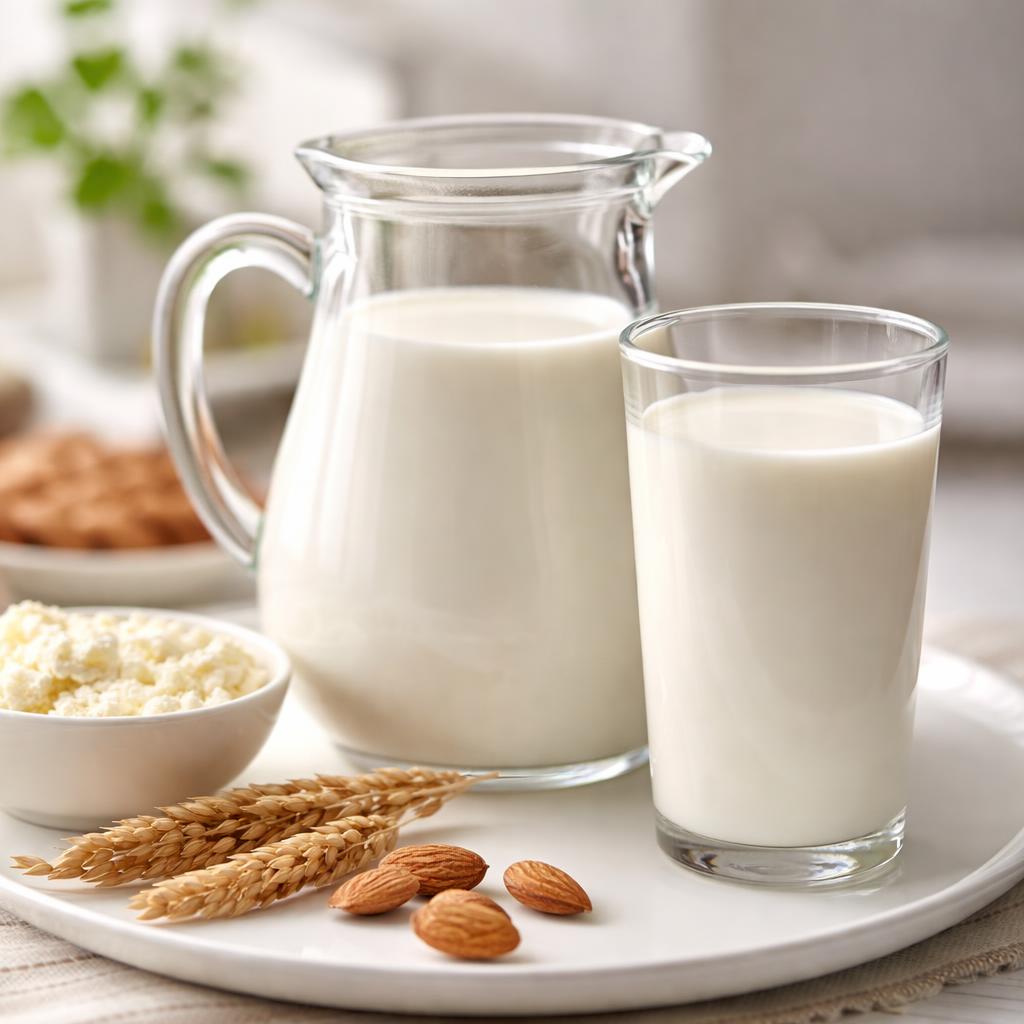
Milk

Eggs
🎯 Quick Verdict
Milk and eggs are nutrient-dense options with distinct benefits. Milk provides a lower calorie option and contains calcium and vitamin D for bone health. Eggs are richer in protein and offer healthy fats along with essential vitamins like B12. Milk is ideal for hydration and calcium intake, while eggs excel in supporting muscle health and sustained energy levels.

Smart Nutrition Tracking with SnapCalorie

📊 Nutritional Comparison
Macronutrients
| Nutrient | Food 1 | Food 2 | Winner |
|---|---|---|---|
| Calories | 100 (per cup, 1% milk) | 70 (per large egg) | ✓ |
| Protein | 8g | 6g | ✓ |
| Carbs | 12g | 0.6g | ✓ |
| Fat | 2g | 5g | ✓ |
| Fiber | 0g | 0g | − |
Vitamins & Minerals
| Nutrient | Food 1 | Food 2 | Winner |
|---|---|---|---|
| Vitamin D | 2.5mcg | 1.1mcg | ✓ |
| Calcium | 305mg | 25mg | ✓ |
| Iron | 0.1mg | 0.9mg | ✓ |
| Vitamin B12 | 1.2mcg | 0.5mcg | ✓ |
🏆 Category Winners
Protein
Eggs provide more protein per serving relative to their calorie count.
Fiber
Neither milk nor eggs contain dietary fiber.
Calories
Milk is slightly lower in calories compared to eggs per serving.
Vitamins
Milk offers a higher concentration of calcium and vitamin D compared to eggs.
🥗 Diet Compatibility
Keto
Food 1: Compatible
Food 2: Compatible
Milk and eggs are low-carb, but eggs are better suited for strict keto due to lower carb content.
Vegan
Food 1: Not Compatible
Food 2: Not Compatible
Both foods are animal-based.
Gluten Free
Food 1: Compatible
Food 2: Compatible
Both milk and eggs are naturally gluten-free.
Paleo
Food 1: Not Compatible
Food 2: Compatible
Eggs align with paleo principles, but processed milk does not.
Low-Carb
Food 1: Compatible
Food 2: Compatible
Both are low in carbohydrates, though eggs are significantly lower.
💪 Health Benefits Comparison
Food 1 Benefits
- Rich in calcium for strong bones and teeth
- Contains vitamin D for bone and immune health
- Source of hydration and electrolytes
Food 2 Benefits
- High-quality protein for muscle repair and recovery
- Provides essential fatty acids for brain health
- Contains choline for cognitive function
- Rich in antioxidants like lutein and zeaxanthin for eye health
✅ The Bottom Line
Milk and eggs are both highly nutritious and versatile foods. Milk is preferable for bone health and hydration, making it a great addition to smoothies or post-workout recovery shakes. Eggs shine in protein content and healthy fats, ideal for muscle building, weight management, and balanced meals.
Choose Food 1 for: Bone health, hydration, smoothies, post-workout shakes
Choose Food 2 for: Muscle building, weight management, balanced meals, high-protein diets


