Milk VS Curd
A detailed nutritional comparison
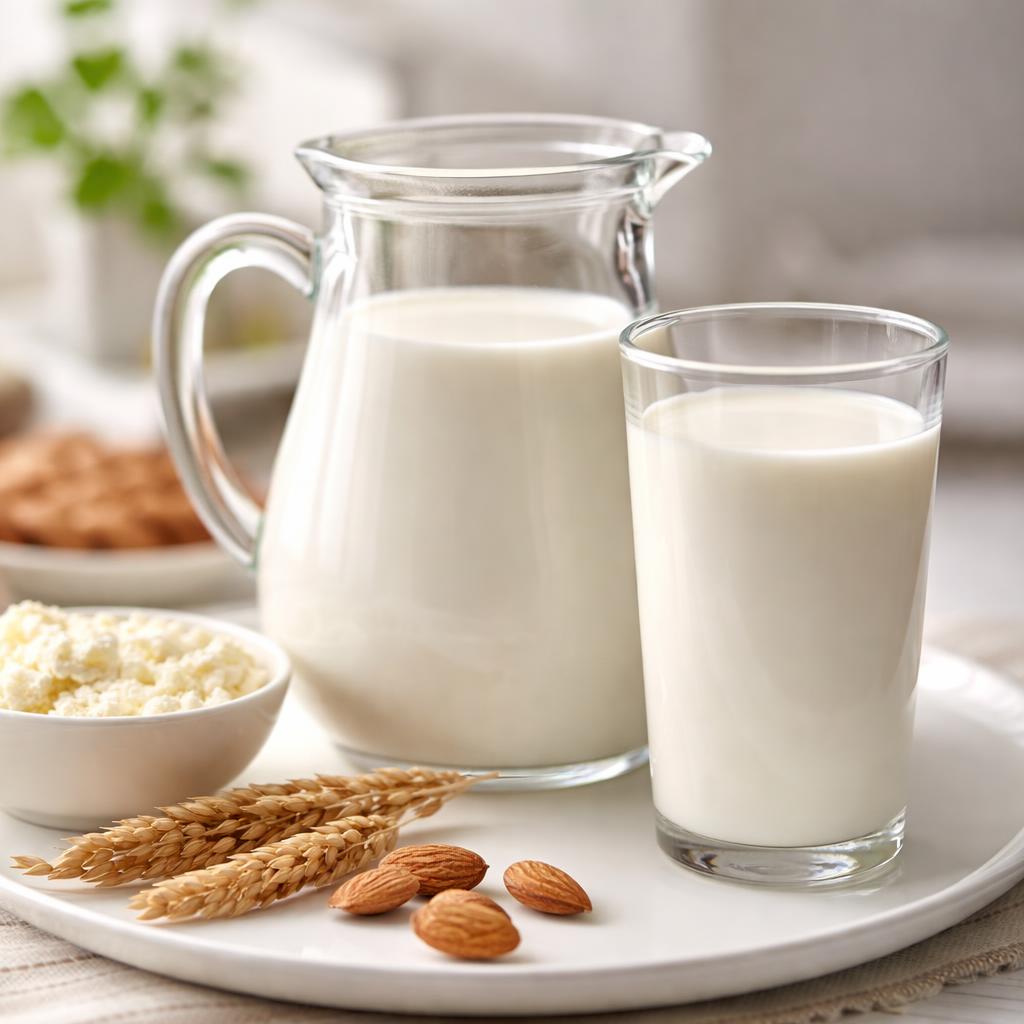
Milk
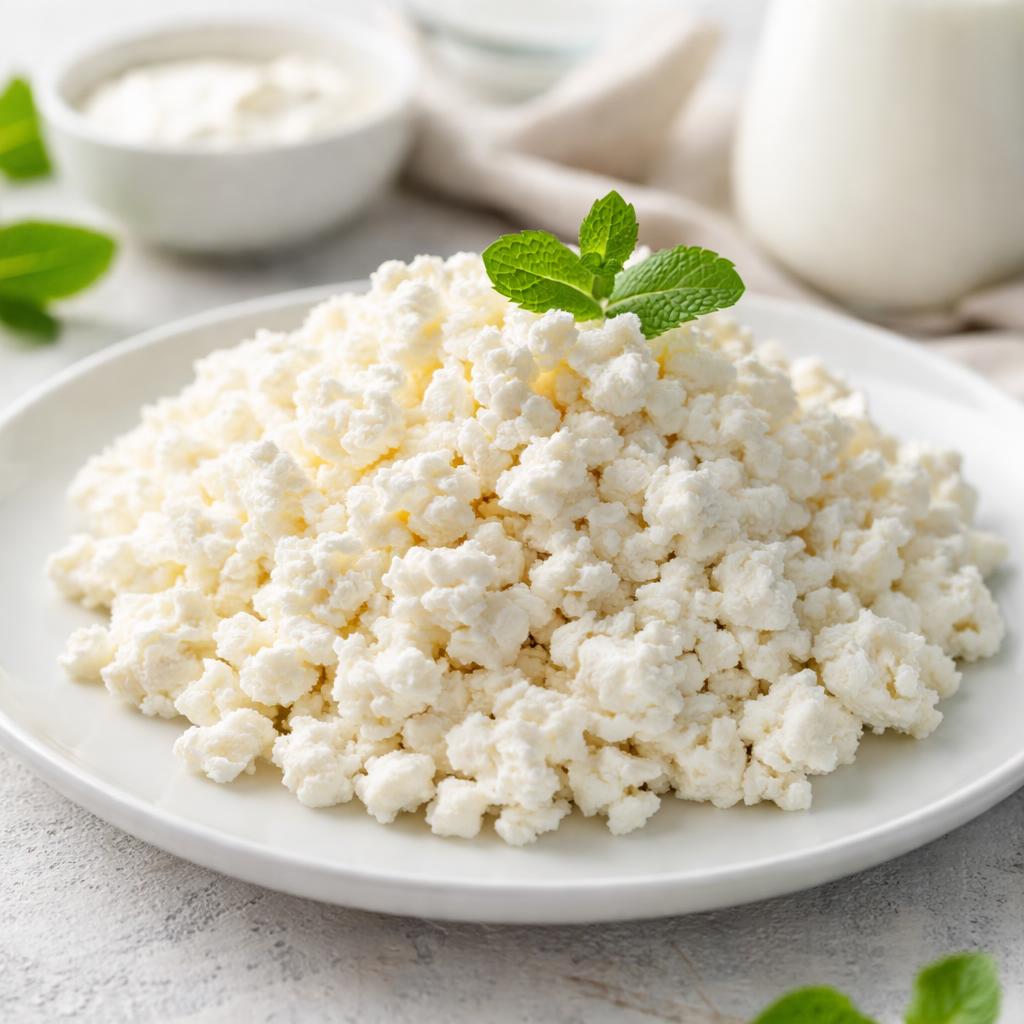
Curd
🎯 Quick Verdict
Milk and curd are similar in terms of nutritional composition but differ slightly in their benefits. Milk edges out in protein content and is lower in calories, making it ideal for muscle growth and weight management. Curd is rich in probiotics that support gut health, offering additional digestive benefits. Both foods are excellent sources of calcium and vitamin B12, suitable for bone health and energy production.

Smart Nutrition Tracking with SnapCalorie

📊 Nutritional Comparison
Macronutrients
| Nutrient | Food 1 | Food 2 | Winner |
|---|---|---|---|
| Calories | 149 calories (per cup) | 98 calories (per cup) | − |
| Protein | 8g | 3.5g | − |
| Carbs | 12g | 4g | − |
| Fat | 8g | 4g | − |
| Fiber | 0g | 0g | − |
Vitamins & Minerals
| Nutrient | Food 1 | Food 2 | Winner |
|---|---|---|---|
| Vitamin B12 | 1.22mcg (51% DV) | 0.75mcg (31% DV) | − |
| Calcium | 300mg (23% DV) | 200mg (15% DV) | − |
| Vitamin D | 2.9mcg (14% DV) | 0.25mcg (3% DV) | − |
🏆 Category Winners
Protein
Milk has more than double the protein per cup compared to curd.
Fiber
Neither milk nor curd contains dietary fiber.
Calories
Curd has 34% fewer calories per serving than milk.
Vitamins
Milk provides higher levels of calcium, vitamin B12, and vitamin D compared to curd.
🥗 Diet Compatibility
Keto
Food 1: Not Compatible
Food 2: Not Compatible
Both contain moderate carbs, making them unsuitable for strict keto diets.
Vegan
Food 1: Not Compatible
Food 2: Not Compatible
Both foods are derived from animal milk and are not plant-based.
Gluten Free
Food 1: Compatible
Food 2: Compatible
Both milk and curd are naturally gluten-free.
Paleo
Food 1: Not Compatible
Food 2: Not Compatible
Dairy is not considered paleo, so neither food qualifies.
Low-Carb
Food 1: Compatible
Food 2: Compatible
Both foods have relatively low carbohydrate levels, suitable for low-carb diets.
💪 Health Benefits Comparison
Food 1 Benefits
- Rich source of protein for muscle repair and maintenance
- Excellent provider of calcium for strengthening bones and teeth
- Contains vitamin D for immune and bone health
- Supports hydration and overall nutrient intake
Food 2 Benefits
- Contains probiotics for improved digestion and gut health
- Lower in fat and calories, suitable for weight management
- Good source of calcium for bone strength
- May reduce lactose content, making it suitable for people with slight lactose intolerance
✅ The Bottom Line
Milk is a better choice for those focused on high protein intake and bone health, while curd is excellent for gut health and weight management. Both can be integrated into balanced diets as low-carb, nutrient-rich options.
Choose Food 1 for: Muscle growth, bone health, hydration
Choose Food 2 for: Gut health, weight management, digestion


