Milk VS Cottage Cheese
A detailed nutritional comparison
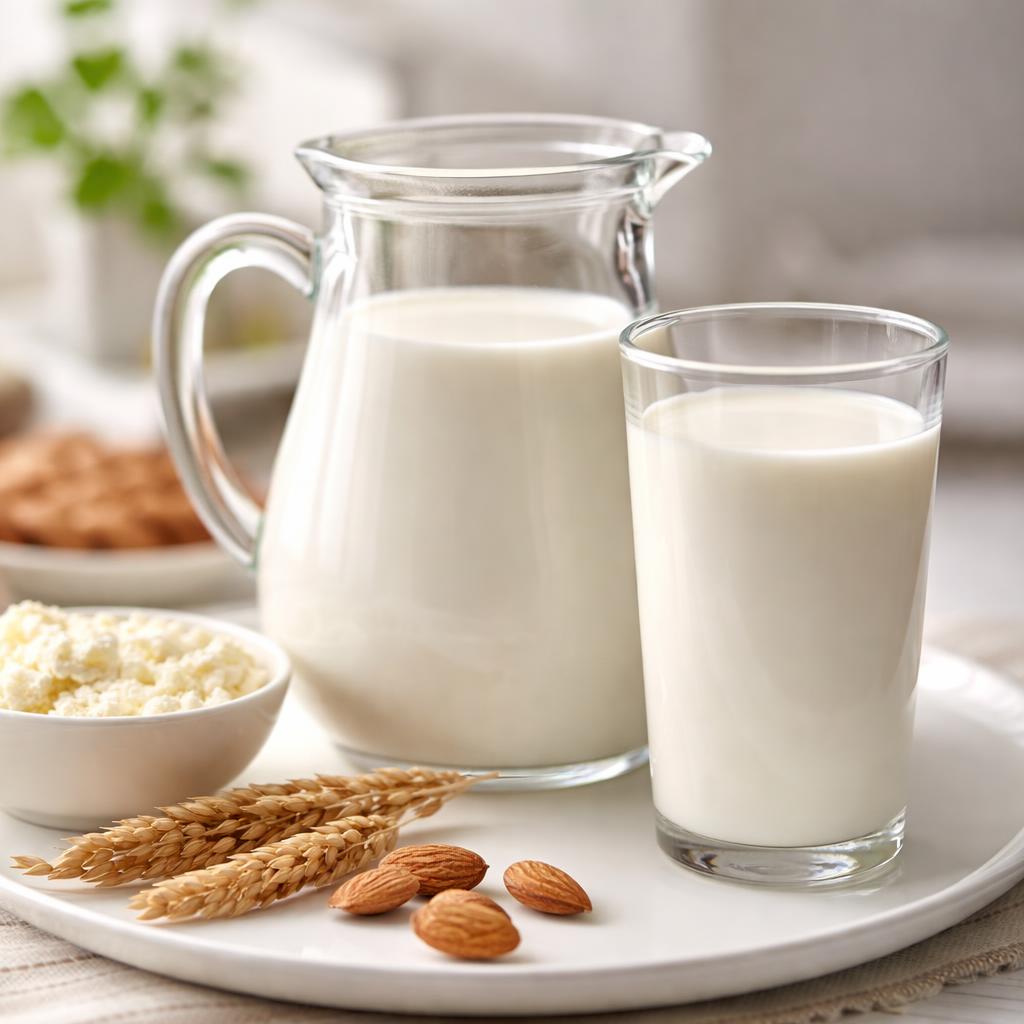
Milk
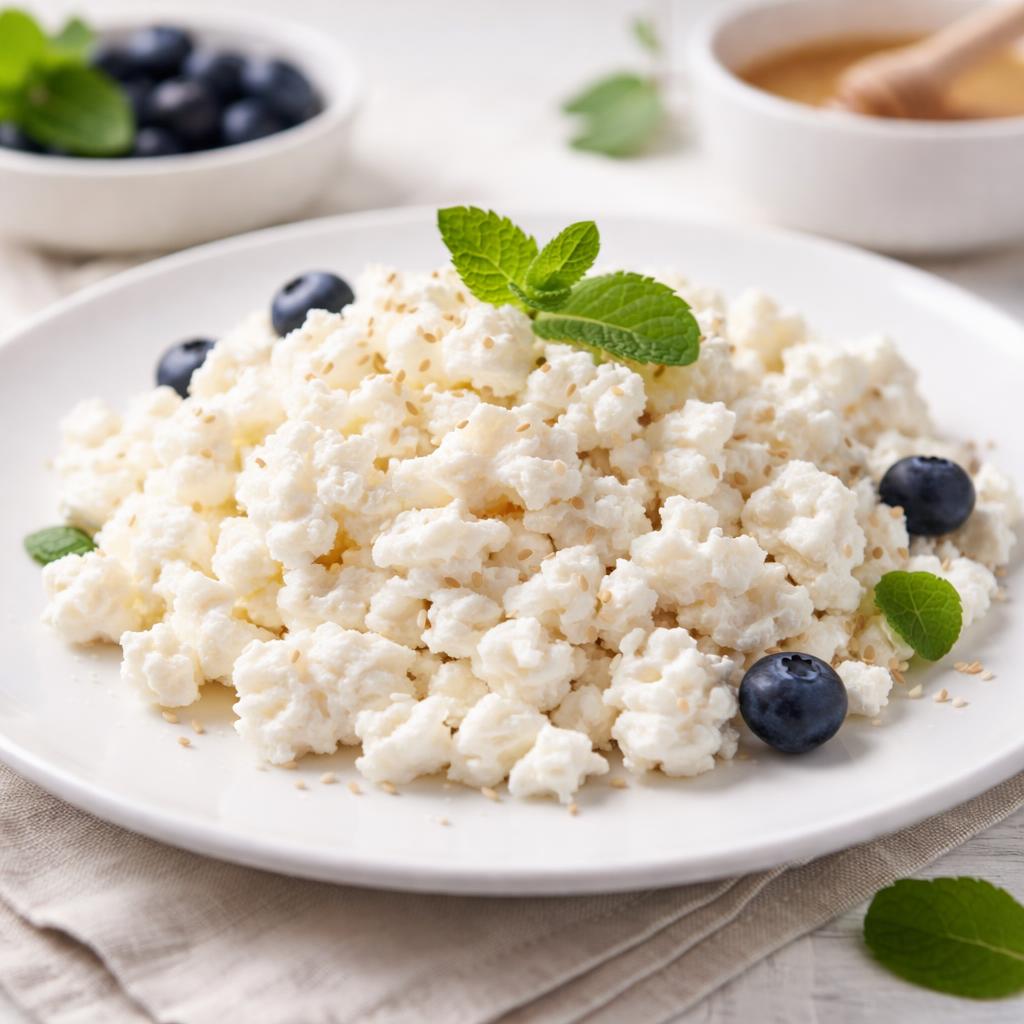
Cottage Cheese
🎯 Quick Verdict
Cottage cheese is higher in protein and lower in carbs, making it a better choice for muscle building and low-carb diets. Milk, on the other hand, is lower in calories and offers a balanced profile, suitable for general nutrition and hydration. Both foods are rich in calcium but differ significantly in their macronutrient content, aligned with distinct dietary goals.

Smart Nutrition Tracking with SnapCalorie

📊 Nutritional Comparison
Macronutrients
| Nutrient | Food 1 | Food 2 | Winner |
|---|---|---|---|
| Calories | 103 kcal (1 cup, 240mL) | 206 kcal (1 cup, 210g) | − |
| Protein | 8g | 28g | − |
| Carbs | 12g | 8g | − |
| Fat | 2.4g | 9g | − |
| Fiber | 0g | 0g | − |
Vitamins & Minerals
| Nutrient | Food 1 | Food 2 | Winner |
|---|---|---|---|
| Vitamin D | 2.9mcg (fortified) | 0mcg | − |
| Calcium | 300mg | 138mg | − |
| Vitamin B12 | 1.3mcg | 1.0mcg | − |
🏆 Category Winners
Protein
Cottage cheese contains 3.5 times more protein per serving than milk.
Fiber
Neither milk nor cottage cheese contains dietary fiber.
Calories
Milk has approximately 50% fewer calories per serving compared to cottage cheese.
Vitamins
Milk is fortified with vitamin D and provides more calcium and vitamin B12 per serving.
🥗 Diet Compatibility
Keto
Food 1: Compatible
Food 2: Compatible
Both are low in carbs, with cottage cheese being especially keto-friendly due to higher protein and fat content.
Vegan
Food 1: Not Compatible
Food 2: Not Compatible
Both are animal-derived products.
Gluten Free
Food 1: Compatible
Food 2: Compatible
Neither contains gluten.
Paleo
Food 1: Not Compatible
Food 2: Not Compatible
Dairy foods are generally excluded from paleo diets.
Low Carb
Food 1: Compatible
Food 2: Compatible
Both are relatively low in carbs, but cottage cheese has the advantage with fewer carbs per serving.
💪 Health Benefits Comparison
Food 1 Benefits
- Rich in calcium for strong bones and teeth
- Fortified with vitamin D for bone health and immunity
- Provides hydration and electrolytes
Food 2 Benefits
- Excellent source of protein for muscle building and repair
- Low in carbs and high in fat, supporting ketogenic and low-carb diets
- Contains probiotics that promote gut health (if cultured)
✅ The Bottom Line
Milk is a versatile and lower-calorie option, ideal for hydration, balanced nutrition, and bone health. Cottage cheese shines as a high-protein food, particularly for athletes or those on low-carb or keto diets. Choose milk for general use, and cottage cheese for more specialized dietary needs involving protein or carb restriction.
Choose Food 1 for: Hydration, bone health, general nutrition
Choose Food 2 for: Muscle building, low-carb diets, gut health


