Milk VS Chocolate Truffle
A detailed nutritional comparison
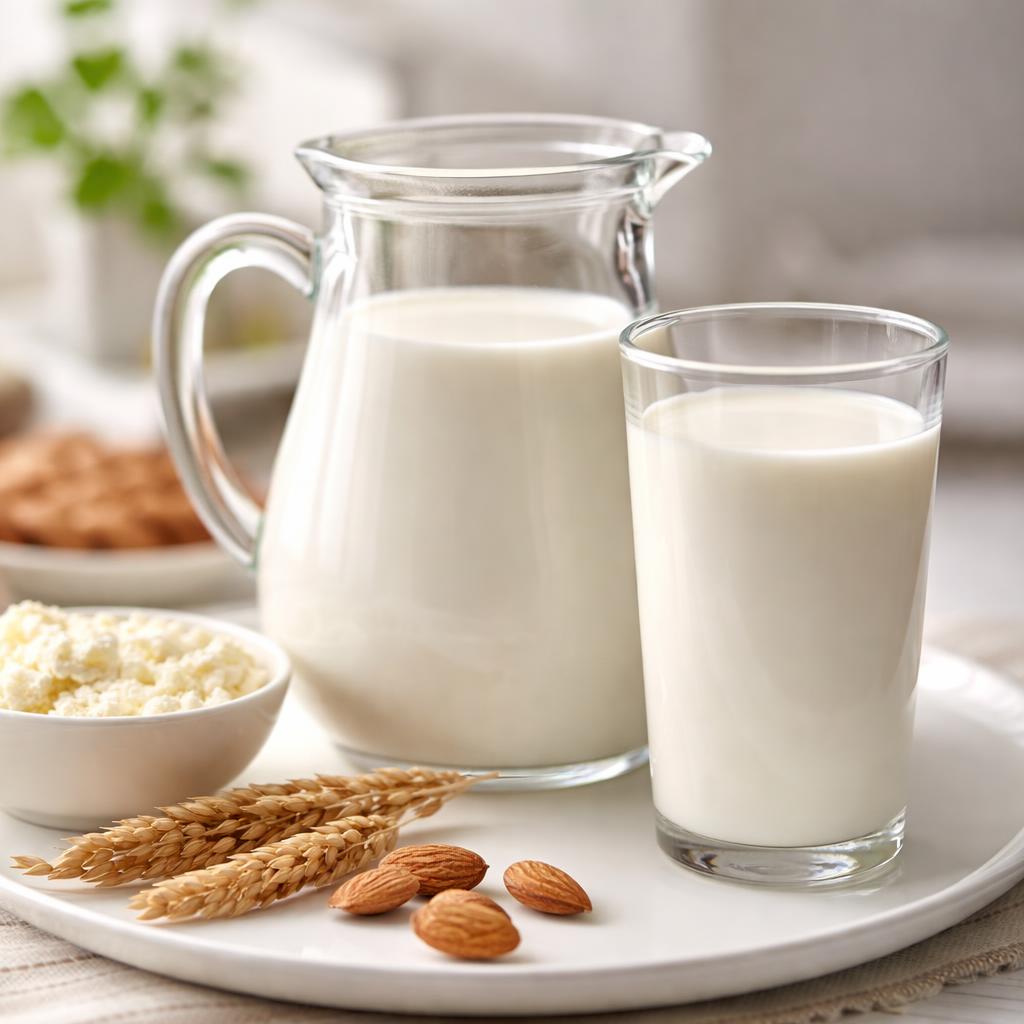
Milk

Chocolate Truffle
🎯 Quick Verdict
Milk is a nutrient-dense beverage that excels in protein, calcium, and overall lower caloric content, making it ideal for weight management and muscle support. Chocolate truffles, while higher in fiber and rich in energy, are better suited for occasional indulgence or quick energy boosts due to their higher sugar and fat content.

Smart Nutrition Tracking with SnapCalorie

📊 Nutritional Comparison
Macronutrients
| Nutrient | Food 1 | Food 2 | Winner |
|---|---|---|---|
| Calories | 150 | 250 | − |
| Protein | 8g | 2g | − |
| Carbs | 12g | 30g | − |
| Fat | 8g | 18g | − |
| Fiber | 0g | 2g | − |
Vitamins & Minerals
| Nutrient | Food 1 | Food 2 | Winner |
|---|---|---|---|
| Calcium | 300mg | 20mg | − |
| Iron | 0.1mg | 1.5mg | − |
| Vitamin D | 2mcg | 0mcg | − |
🏆 Category Winners
Protein
Milk provides quadruple the protein compared to chocolate truffles.
Fiber
Chocolate truffles contain fiber, while milk has none.
Calories
Milk is significantly lower in calories (150 vs 250 per serving).
🥗 Diet Compatibility
Keto
Food 1: Not Compatible
Food 2: Not Compatible
Both have moderate to high carbohydrates.
Vegan
Food 1: Not Compatible
Food 2: Compatible
Milk is an animal product, while chocolate truffles can be vegan if made with vegan ingredients.
Gluten Free
Food 1: Compatible
Food 2: Potentially Compatible
Milk is naturally gluten-free; check chocolate truffles for gluten-containing additives.
Paleo
Food 1: Not Compatible
Food 2: Not Compatible
Milk is not Paleo-friendly due to dairy origin; chocolate truffles often contain processed sugar.
Low-Carb
Food 1: Not Compatible
Food 2: Not Compatible
Both foods contain higher-than-ideal carbohydrates for low-carb diets.
💪 Health Benefits Comparison
Food 1 Benefits
- Rich in calcium for bone health
- Contains vitamin D for improved calcium absorption
- Good source of protein for muscle repair
- Supports hydration and overall nutrient balance
Food 2 Benefits
- Quick energy boost from sugars
- Source of iron for oxygen transport in blood
- Contains antioxidants from cocoa for reducing inflammation
- Higher fiber content supports digestion
✅ The Bottom Line
Milk is the better choice for overall nutrition, muscle support, and weight management, while chocolate truffles are a good occasional treat for energy and digestion. Those looking for a high-calcium, high-protein option for everyday consumption should opt for milk, while chocolate truffles are better suited for dessert or indulgent occasions.
Choose Food 1 for: Bone health, post-workout recovery, everyday nutrition
Choose Food 2 for: Dessert, quick energy, occasional indulgence


