Milk VS Chocolate Cake
A detailed nutritional comparison
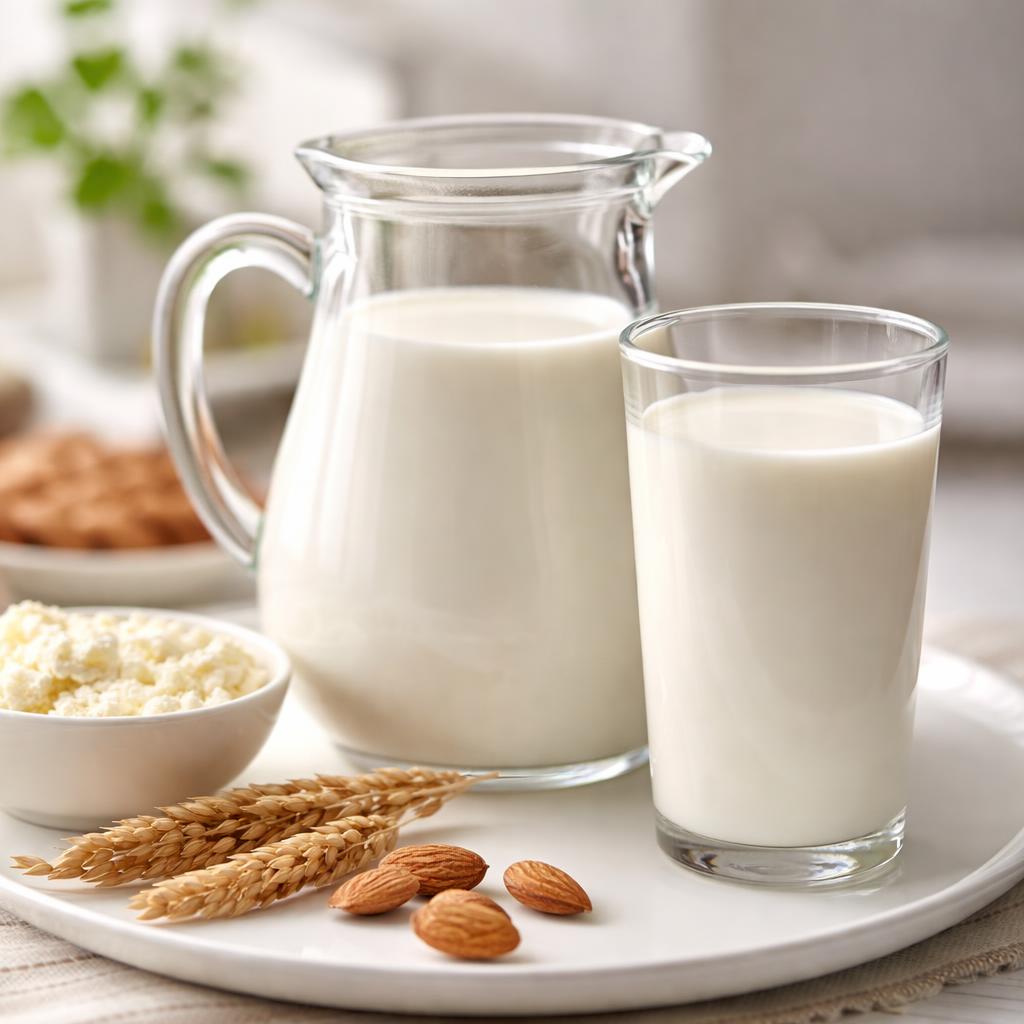
Milk
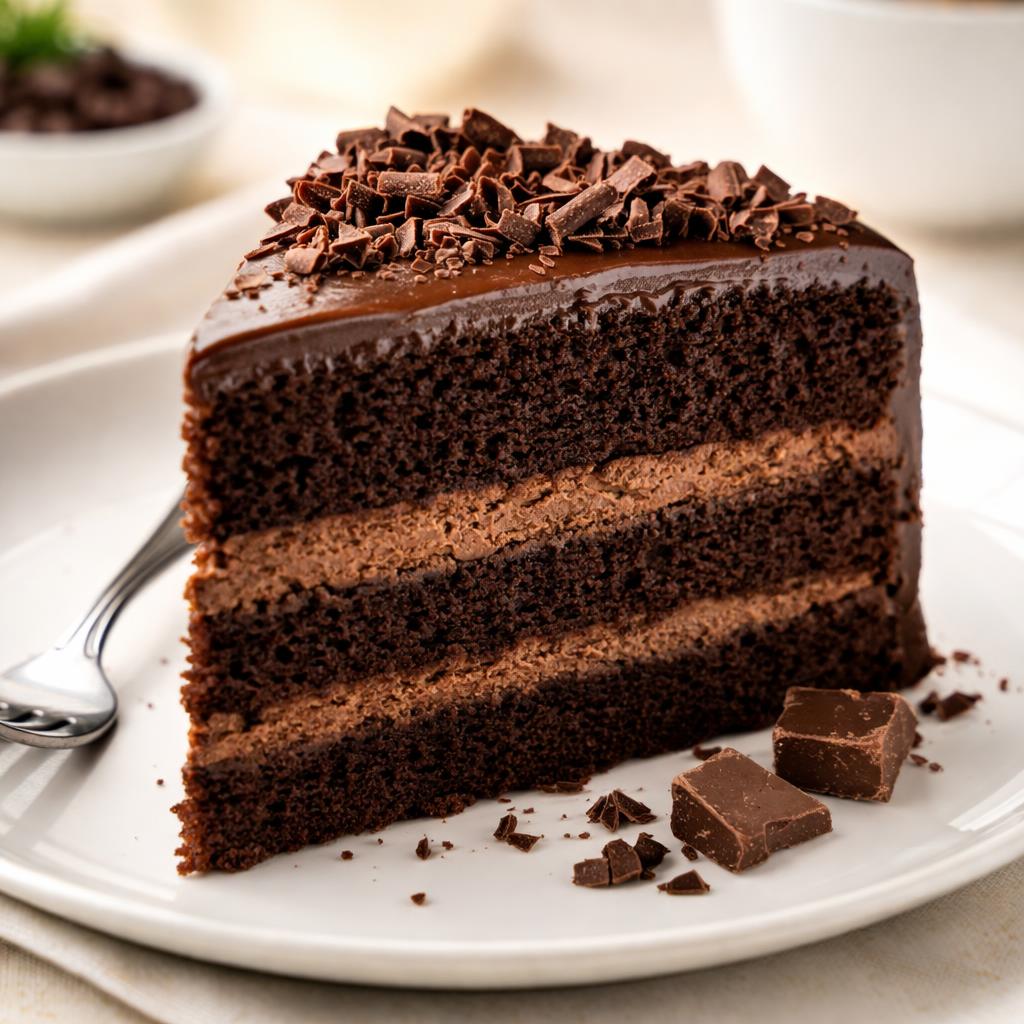
Chocolate Cake
🎯 Quick Verdict
Milk is a nutrient-dense beverage with significantly higher protein, fewer calories, and healthier fats compared to chocolate cake. Chocolate cake, while less balanced, provides more fiber and is a high-energy treat ideal for occasional indulgence rather than daily consumption.

Smart Nutrition Tracking with SnapCalorie

📊 Nutritional Comparison
Macronutrients
| Nutrient | Food 1 | Food 2 | Winner |
|---|---|---|---|
| Calories | 103 | 250 | ✓ |
| Protein | 8g | 3g | ✓ |
| Carbs | 12g | 36g | ✓ |
| Fat | 2.4g | 12g | ✓ |
| Fiber | 0g | 1.5g | ✓ |
Vitamins & Minerals
| Nutrient | Food 1 | Food 2 | Winner |
|---|---|---|---|
| Vitamin D | 2.5mcg | 0mcg | ✓ |
| Calcium | 300mg | 30mg | ✓ |
| Iron | 0.1mg | 1.5mg | ✓ |
🏆 Category Winners
Protein
Milk contains 8g of protein per serving, more than double that of chocolate cake.
Fiber
Chocolate cake contains 1.5g of fiber, whereas milk provides none.
Calories
Milk has less than half the calories of chocolate cake, making it the lower-calorie option.
Vitamins
Milk is richer in vitamin D and calcium, which support bone health.
🥗 Diet Compatibility
Keto
Food 1: Not Compatible
Food 2: Not Compatible
Both are relatively high in carbohydrates.
Vegan
Food 1: Not Compatible
Food 2: Depends
Milk is animal-derived, while certain cakes may be vegan if made without eggs/dairy.
Gluten Free
Food 1: Compatible
Food 2: Not Compatible
Milk is naturally gluten-free, whereas chocolate cake usually contains wheat flour.
Paleo
Food 1: Not Compatible
Food 2: Not Compatible
Milk and chocolate cake do not align with paleo dietary rules.
Low-Carb
Food 1: Not Compatible
Food 2: Not Compatible
Both foods have moderate to high carbohydrate content.
💪 Health Benefits Comparison
Food 1 Benefits
- Excellent source of protein for muscle repair
- Rich in calcium and vitamin D, supporting bone health
- Low in fat and calories, suitable for weight management
Food 2 Benefits
- Provides quick energy due to higher carbohydrate content
- Contains some fiber for gut health
- Can boost mood as an indulgent treat
✅ The Bottom Line
Milk is the healthier choice overall, offering a balanced nutrient profile suitable for daily consumption, especially for bone health and protein needs. Chocolate cake, on the other hand, is an occasional treat providing energy and fiber, but it is not ideal as a staple food due to its higher calorie and fat content.
Choose Food 1 for: Everyday nutrition, post-workout recovery, low-calorie diets
Choose Food 2 for: Celebratory occasions, energy boost, indulgence


