Milk VS Chicken Drumstick
A detailed nutritional comparison
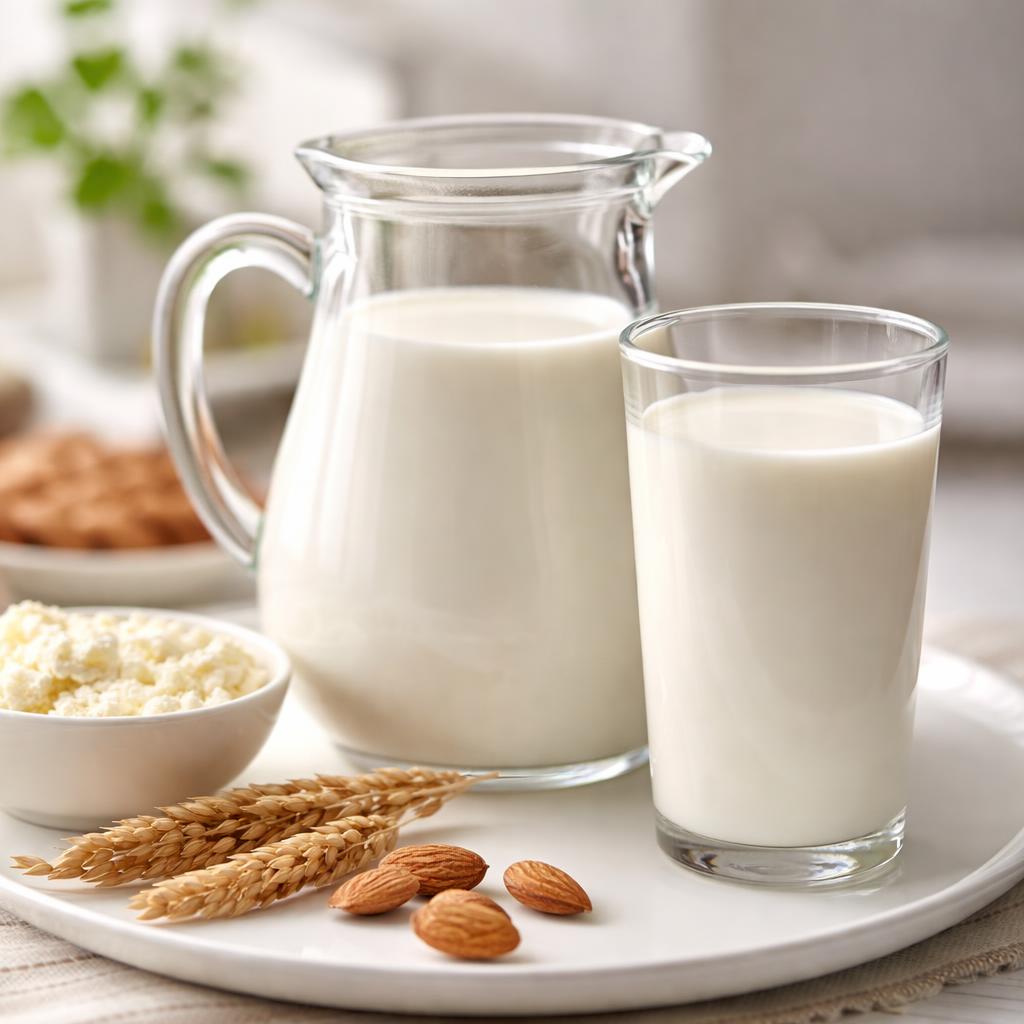
Milk
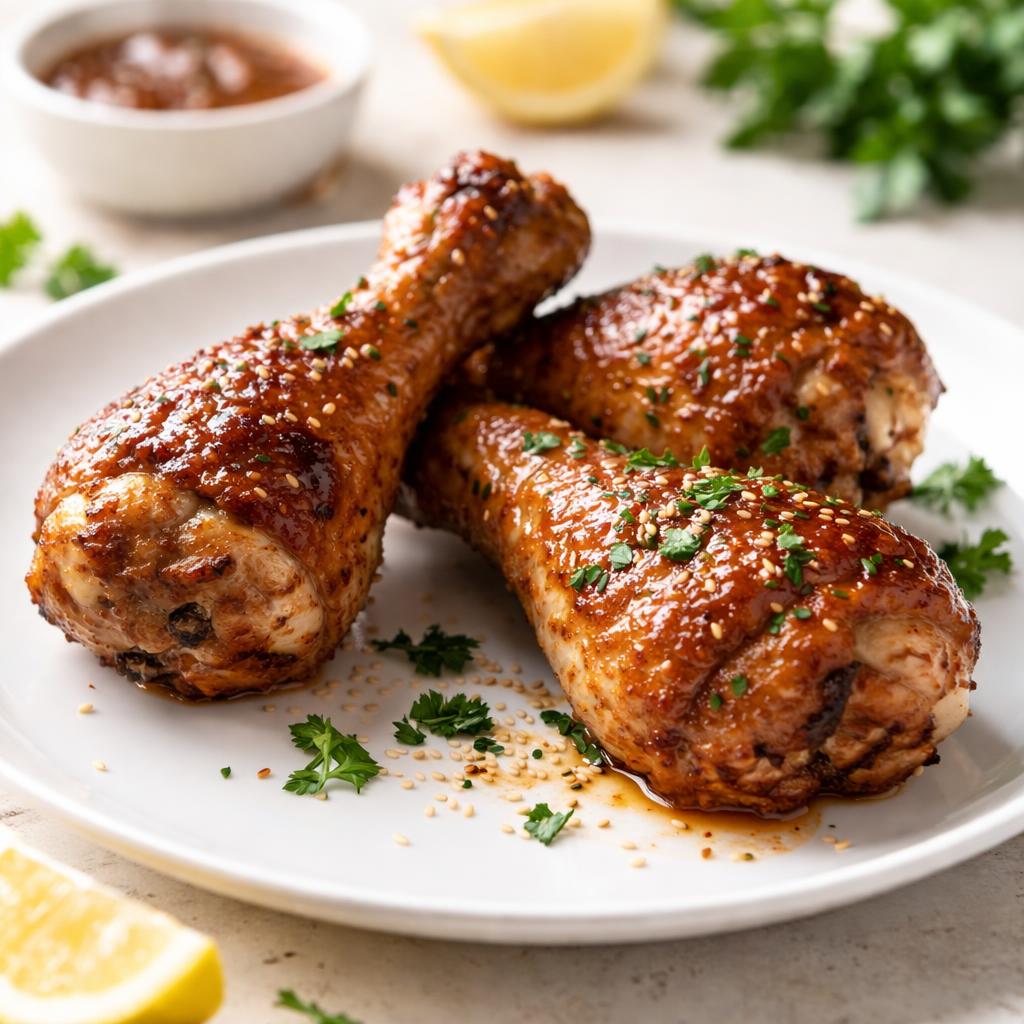
Chicken Drumstick
🎯 Quick Verdict
Milk and chicken drumstick differ significantly in their macronutrients and health benefits. Chicken drumstick is much higher in protein, perfect for muscle building and recovery, while milk is lower in calories and provides calcium and vitamin D, making it ideal for bone health. Both are great sources of nutrients, but their uses depend on dietary goals and preferences.

Smart Nutrition Tracking with SnapCalorie

📊 Nutritional Comparison
Macronutrients
| Nutrient | Food 1 | Food 2 | Winner |
|---|---|---|---|
| Calories | 103 (1 cup, 240ml) | 172 (1 drumstick, 100g) | ✓ |
| Protein | 8g | 22g | ✓ |
| Carbs | 12g | 0g | ✓ |
| Fat | 2.4g | 9g | ✓ |
| Fiber | 0g | 0g | − |
Vitamins & Minerals
| Nutrient | Food 1 | Food 2 | Winner |
|---|---|---|---|
| Vitamin D | 2mcg (24% DV) | 1.1mcg (13% DV) | ✓ |
| Calcium | 300mg (23% DV) | 11mg (1% DV) | ✓ |
| Iron | 0mg | 1mg (6% DV) | ✓ |
| Vitamin B12 | 1.2mcg (50% DV) | 0.3mcg (12% DV) | ✓ |
🏆 Category Winners
Protein
Chicken drumstick provides nearly three times more protein than milk (22g vs 8g).
Fiber
Neither milk nor chicken contains fiber.
Calories
Milk has fewer calories per serving (103 vs 172).
🥗 Diet Compatibility
Keto
Food 1: Not Compatible
Food 2: Compatible
Chicken is low-carb and high-fat, ideal for keto diets, but milk has 12g carbs per serving.
Vegan
Food 1: Not Compatible
Food 2: Not Compatible
Neither food is plant-based.
Gluten Free
Food 1: Compatible
Food 2: Compatible
Neither food contains gluten.
Paleo
Food 1: Not Compatible
Food 2: Compatible
Milk is excluded in strict paleo diets, while chicken is accepted.
Low-Carb
Food 1: Not Compatible
Food 2: Compatible
Milk has 12g of carbs per cup, making it higher in carbs than chicken (0g carbs).
💪 Health Benefits Comparison
Food 1 Benefits
- High in calcium and vitamin D for bone health
- Contains vitamin B12 for energy and nerve support
- Provides hydration and electrolytes
Food 2 Benefits
- Rich in protein for muscle growth and repair
- Contains iron for oxygen transport in the body
- Provides vitamin B6 for brain health and metabolism
- Low in carbs, ideal for ketogenic diets
✅ The Bottom Line
Choose milk if you need a lower-calorie option packed with calcium, vitamin D, and hydration. Opt for chicken drumstick if you require more protein for muscle building or follow a low-carb/keto diet. Both are nutritious, but serve different dietary purposes.
Choose Food 1 for: Bone health, hydration, lighter calorie meals
Choose Food 2 for: Muscle building, low-carb diets, post-workout recovery


