Milk VS Chicken Breast
A detailed nutritional comparison
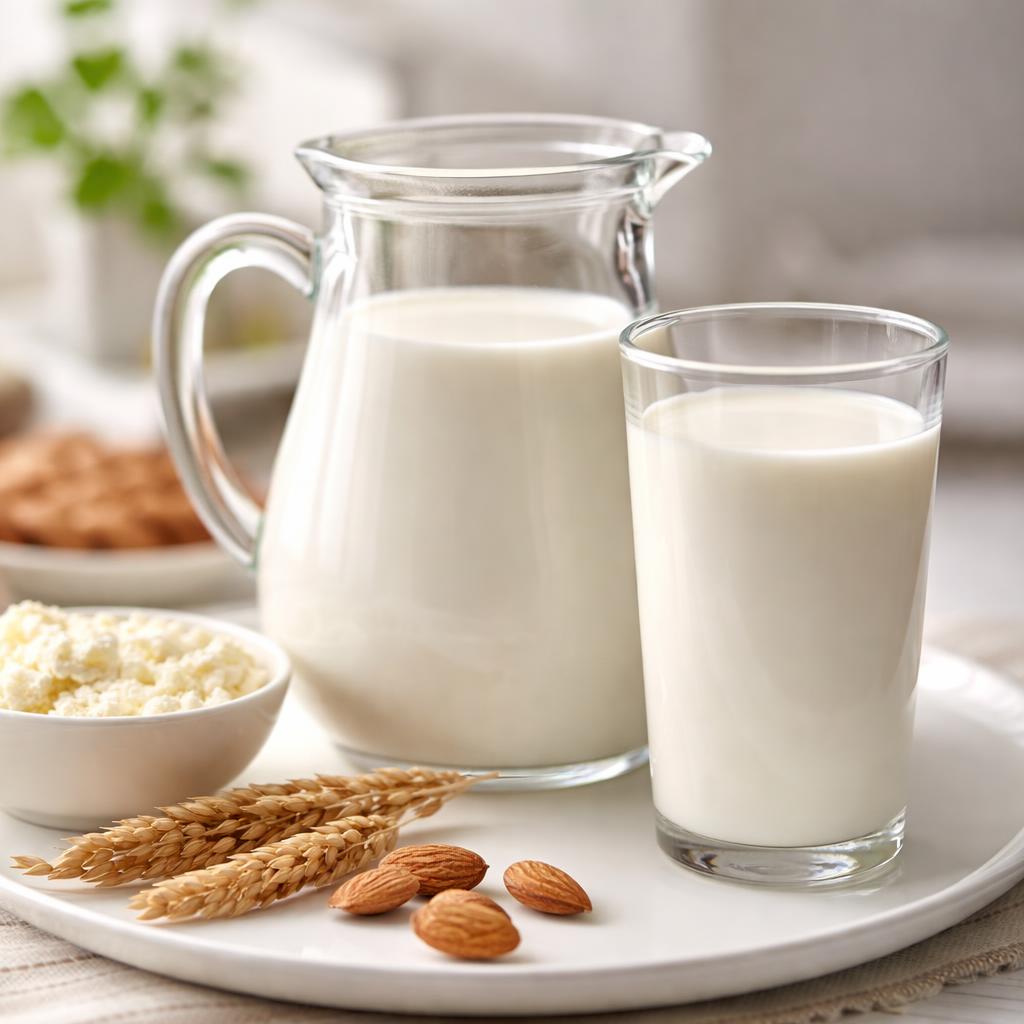
Milk
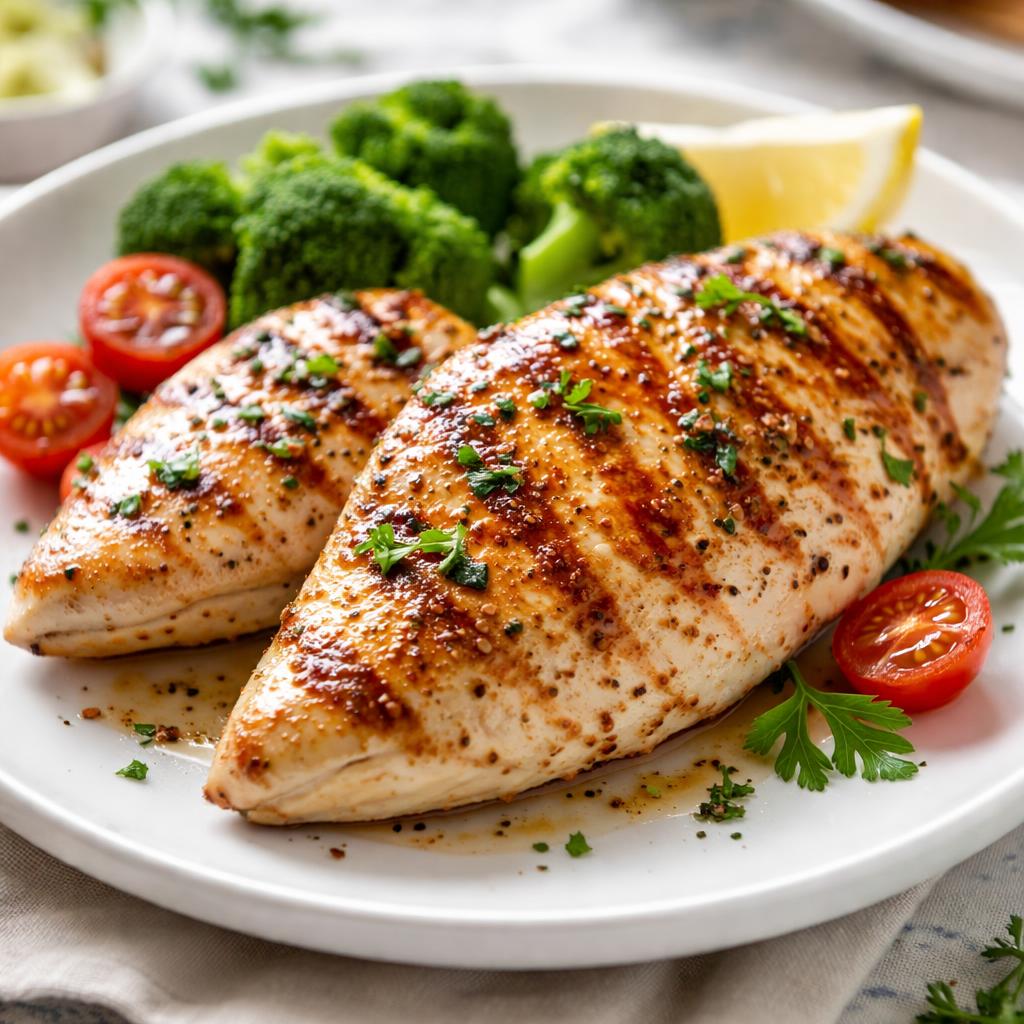
Chicken Breast
🎯 Quick Verdict
Chicken breast is significantly higher in protein and lower in calories than milk, making it a better choice for muscle-building and weight-loss diets. Milk offers calcium and vitamin D, essential for bone health, and is more versatile for beverages and recipes. Both can complement their roles in a balanced diet depending on individual health goals.

Smart Nutrition Tracking with SnapCalorie

📊 Nutritional Comparison
Macronutrients
| Nutrient | Food 1 | Food 2 | Winner |
|---|---|---|---|
| Calories | 103 per cup (1%, 244g) | 165 per 100g | ✓ |
| Protein | 8g per cup | 31g per 100g | ✓ |
| Carbs | 12g per cup | 0g per 100g | ✓ |
| Fat | 2.4g per cup | 3.6g per 100g | ✓ |
| Fiber | 0g | 0g | − |
Vitamins & Minerals
| Nutrient | Food 1 | Food 2 | Winner |
|---|---|---|---|
| Vitamin D | 2.5mcg per cup | 0mcg per 100g | ✓ |
| Calcium | 305mg per cup | 13mg per 100g | ✓ |
| Iron | 0.07mg per cup | 1mg per 100g | ✓ |
🏆 Category Winners
Protein
Chicken breast has nearly 4 times more protein than milk for the same typical serving size.
Fiber
Neither milk nor chicken breast contains dietary fiber.
Calories
Milk has ~38% fewer calories than chicken breast per serving.
Vitamins
Milk is richer in calcium and vitamin D, while chicken breast contains more iron.
🥗 Diet Compatibility
Keto
Food 1: Not Compatible
Food 2: Compatible
Chicken breast contains zero carbs, while milk has 12g of carbs per cup.
Vegan
Food 1: Not Compatible
Food 2: Not Compatible
Both foods come from animal sources.
Gluten Free
Food 1: Compatible
Food 2: Compatible
Neither food contains gluten.
Paleo
Food 1: Not Compatible
Food 2: Compatible
Chicken breast fits paleo diets, while regular milk does not.
Low-Carb
Food 1: Not Compatible
Food 2: Compatible
Milk is moderately high in carbs, while chicken breast has none.
💪 Health Benefits Comparison
Food 1 Benefits
- High in calcium for strong bones and teeth
- Contains vitamin D to support immune and bone health
- Good source of protein for muscle repair
- Hydrating and versatile as a beverage
Food 2 Benefits
- Rich in lean protein for muscle growth and repair
- Low in calories, making it ideal for weight management
- Contains iron, supporting red blood cell production
- Low fat and carb-free, suitable for low-carb, keto, and paleo diets
✅ The Bottom Line
Choose chicken breast for a high-protein, low-carb option that fits weight-loss and muscle-building goals. Opt for milk to boost calcium and vitamin D levels for bone health, or for a versatile drink or ingredient. Both foods can complement each other in a balanced diet depending on dietary priorities.
Choose Food 1 for: Bone health, hydration, recipes requiring dairy
Choose Food 2 for: High-protein diets, weight loss, low-carb and paleo diets


