Milk VS Butter
A detailed nutritional comparison
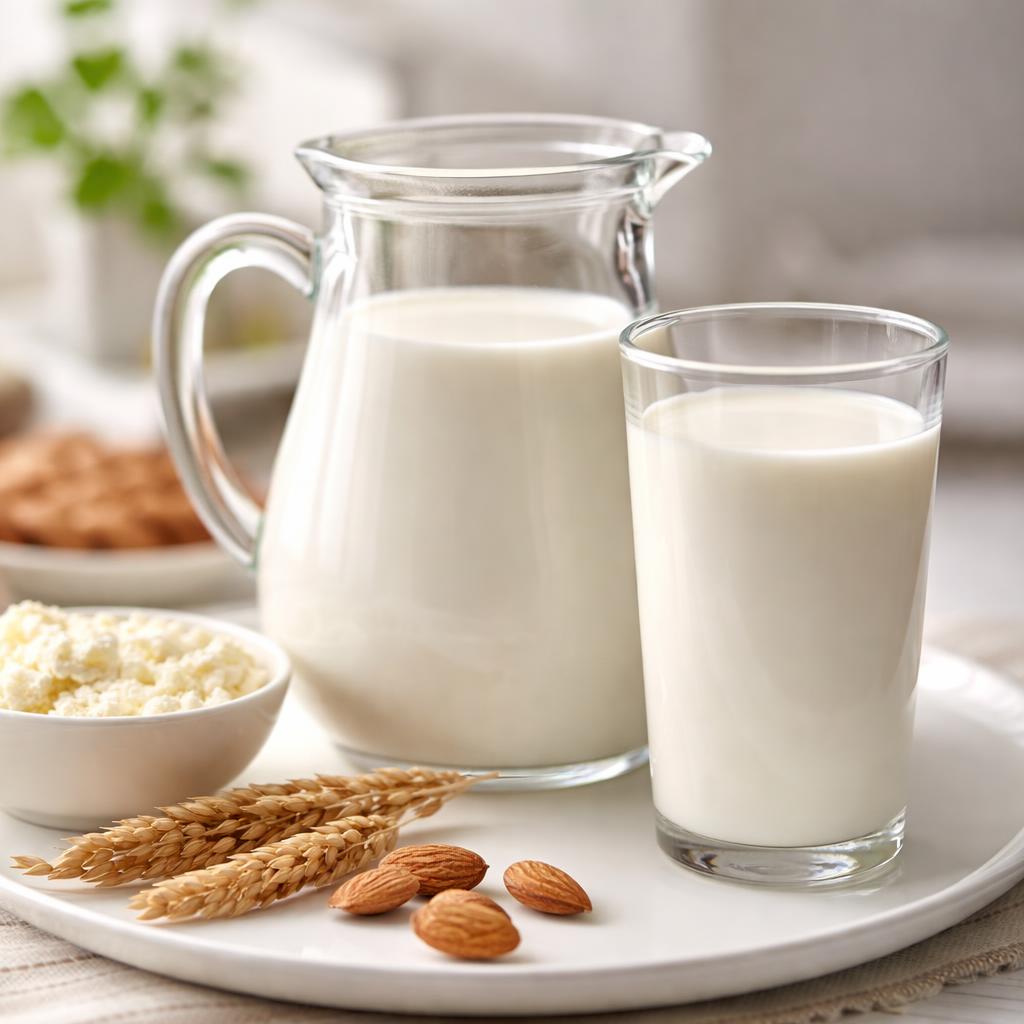
Milk
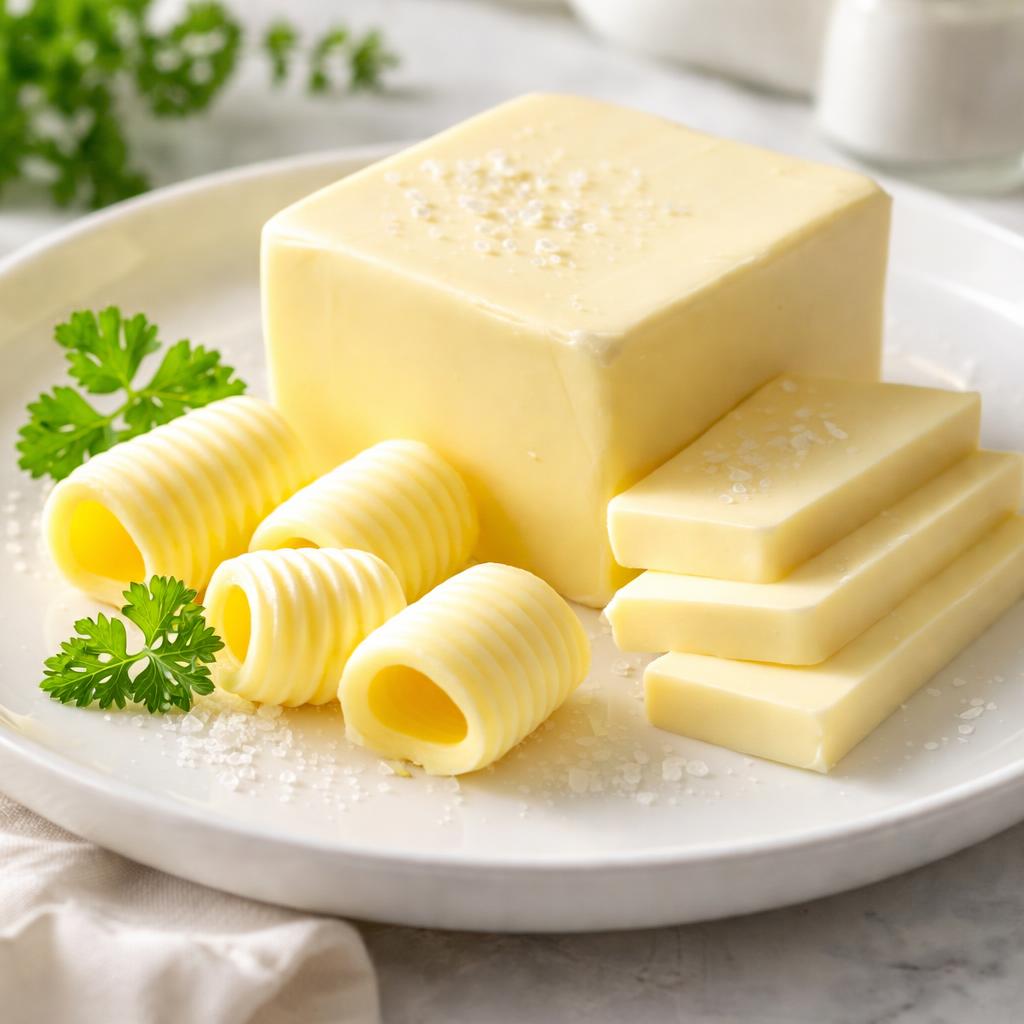
Butter
🎯 Quick Verdict
Milk and butter are both dairy-based but serve very different nutritional purposes. Milk is rich in protein, less calorically dense, and provides valuable vitamins like calcium. Butter, while high in fat, contains virtually no protein or fiber but offers pure energy from fats. Milk is ideal for general nutrition, while butter adds flavor and satiety to meals in moderation.

Smart Nutrition Tracking with SnapCalorie

📊 Nutritional Comparison
Macronutrients
| Nutrient | Food 1 | Food 2 | Winner |
|---|---|---|---|
| Calories | 103 per 1 cup (240ml) | 102 per 1 tbsp (14g) | − |
| Protein | 8g | 0g | − |
| Carbs | 12g | 0g | − |
| Fat | 2.4g | 11.5g | − |
| Fiber | 0g | 0g | − |
Vitamins & Minerals
| Nutrient | Food 1 | Food 2 | Winner |
|---|---|---|---|
| Vitamin D | 2.4mcg (15% DV) | 0.45mcg (3% DV) | − |
| Calcium | 300mg (23% DV) | 3mg (<1% DV) | − |
| Iron | 0.1mg (<1% DV) | 0mg | − |
🏆 Category Winners
Protein
Milk contains 8g of protein per serving compared to butter's 0g.
Fiber
Neither milk nor butter contains dietary fiber.
Calories
Milk has fewer calories per gram compared to the concentrated fat in butter.
Vitamins
Milk provides higher amounts of Vitamin D, calcium, and other key nutrients.
🥗 Diet Compatibility
Keto
Food 1: Limited compatibility
Food 2: Compatible
Milk is carb-heavy, while butter is high-fat and fits keto parameters.
Vegan
Food 1: Not Compatible
Food 2: Not Compatible
Both are dairy-based products.
Gluten Free
Food 1: Compatible
Food 2: Compatible
Neither contains gluten.
Paleo
Food 1: Compatible with restrictions
Food 2: Limited compatibility
Milk may only fit if allowed (not strict paleo), butter better suits 'primal' guidelines.
Low Carb
Food 1: Not Compatible
Food 2: Compatible
Butter is 0g carbs; milk contains 12g carbs per 240ml.
💪 Health Benefits Comparison
Food 1 Benefits
- High-quality protein for muscle repair and growth.
- Rich in calcium and Vitamin D for bone health.
- B-vitamins that support energy metabolism.
Food 2 Benefits
- Source of healthy fats for sustained energy.
- Contains conjugated linoleic acid (CLA) linked to heart health benefits.
- Can enhance satiety and improve flavor in meals.
✅ The Bottom Line
Milk and butter fulfill different dietary roles. Milk is ideal for those seeking protein, vitamins, and mineral-rich hydration, while butter serves as a concentrated fat source perfect for keto diets or adding richness to meals. Consume butter in moderation due to its caloric density and saturated fats.
Choose Food 1 for: Daily nutrition, bone health, muscle repair, general hydration.
Choose Food 2 for: Keto diets, flavor enhancement, energy source in high-fat eating plans.


