Milk VS Broth
A detailed nutritional comparison
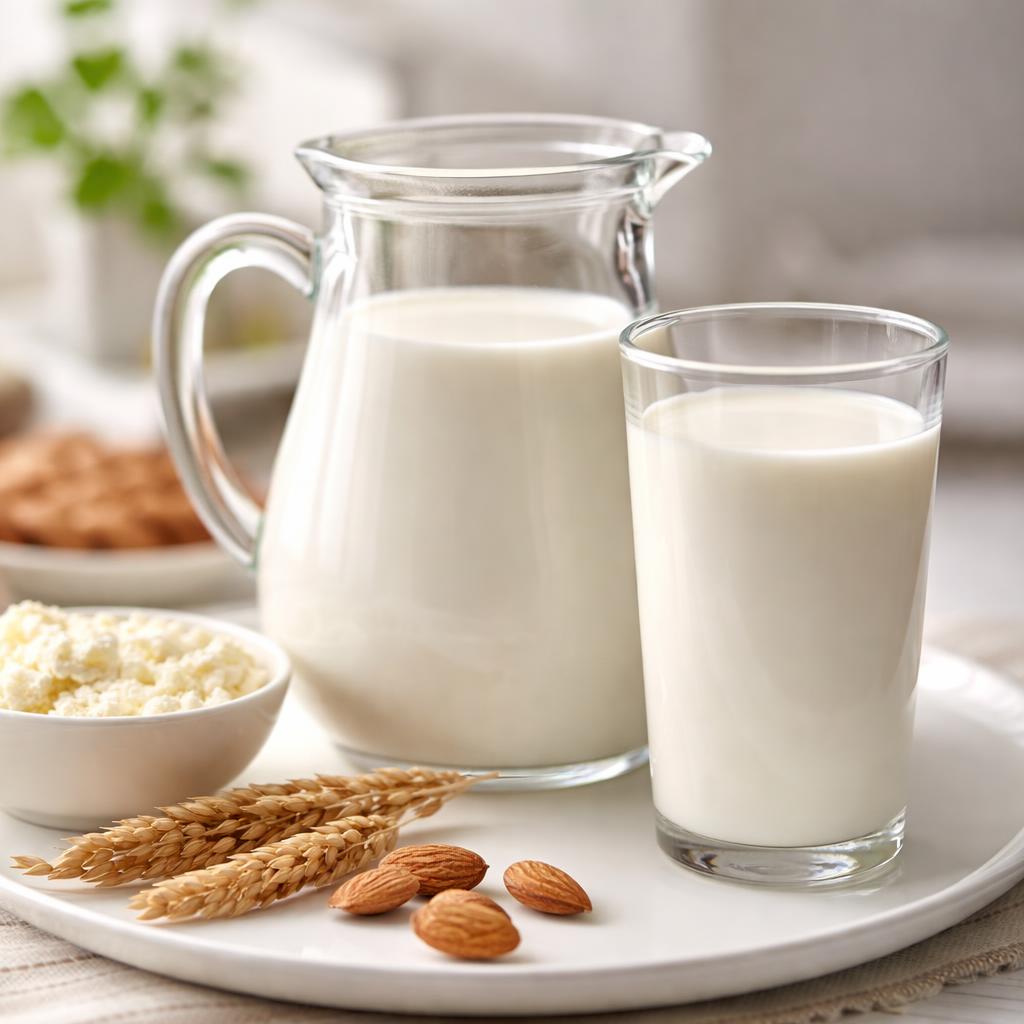
Milk
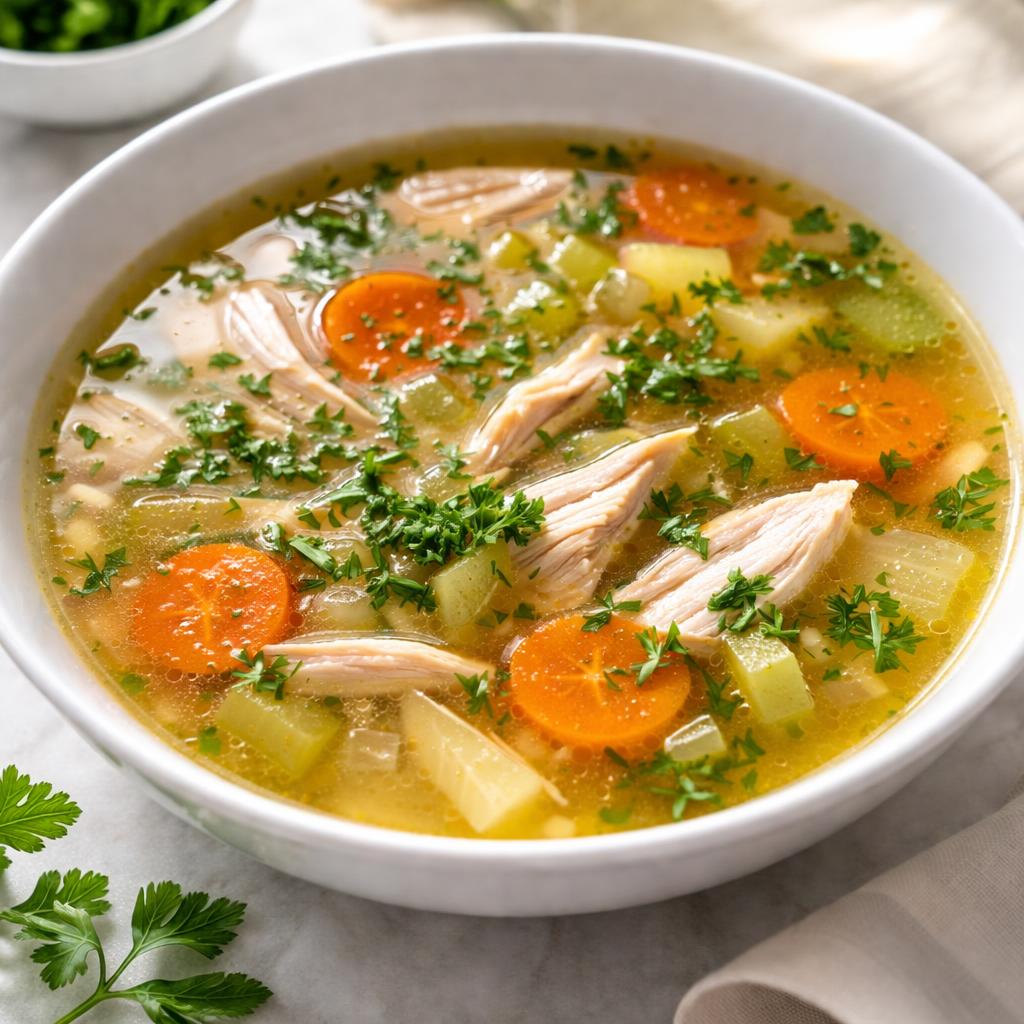
Broth
🎯 Quick Verdict
Milk is a nutrient-dense beverage that offers higher levels of protein, calcium, and vitamin D, making it ideal for muscle building and bone health. Broth, on the other hand, is extremely low in calories, fat-free, and hydrating, suitable for weight-loss diets or as a base for soups and stews. Both have unique health benefits depending on dietary needs.

Smart Nutrition Tracking with SnapCalorie

📊 Nutritional Comparison
Macronutrients
| Nutrient | Food 1 | Food 2 | Winner |
|---|---|---|---|
| Calories | 103 | 15 | − |
| Protein | 8g | 1g | − |
| Carbs | 12g | 1g | − |
| Fat | 2.4g | 0g | − |
| Fiber | 0g | 0g | − |
Vitamins & Minerals
| Nutrient | Food 1 | Food 2 | Winner |
|---|---|---|---|
| Vitamin D | 2.9mcg | 0mcg | − |
| Calcium | 305mg | 10mg | − |
| Iron | 0mg | 0mg | − |
🏆 Category Winners
Protein
Milk contains 8 times more protein compared to broth.
Fiber
Neither food contains fiber.
Calories
Broth has only 15 calories per serving, significantly lower than milk.
🥗 Diet Compatibility
Keto
Food 1: Not Compatible
Food 2: Compatible
Broth is extremely low in carbs, while milk has higher carb content.
Vegan
Food 1: Not Compatible
Food 2: Depends on type
Milk is an animal product; broth may be vegan if made with plant-based ingredients.
Gluten Free
Food 1: Compatible
Food 2: Compatible
Neither milk nor broth naturally contains gluten.
Paleo
Food 1: Not Compatible
Food 2: Compatible
Milk is excluded from strict paleo diets, but broth is paleo-friendly.
Low-Carb
Food 1: Not Compatible
Food 2: Compatible
Milk contains 12g of carbs per serving, while broth has only 1g.
💪 Health Benefits Comparison
Food 1 Benefits
- Rich source of calcium beneficial for bone health
- Provides vitamin D that supports immune function
- Offers high-quality protein for muscle repair
- Aids in hydration and electrolyte balance due to potassium
Food 2 Benefits
- Extremely low in calories, ideal for weight management
- Hydrating and replenishes electrolytes
- Can support joint health when made with bones
- Provides a base for nutrient-dense meals and soups
✅ The Bottom Line
Milk is better for building muscle, bone health, and as a nutritious standalone beverage. Broth is excellent for hydration, low-calorie diets, and as a cooking ingredient. Choose milk for its protein and vitamin benefits, or broth for weight-loss, keto, and paleo-friendly recipes.
Choose Food 1 for: Muscle building, bone health, and balanced nutrition
Choose Food 2 for: Low-calorie diets, hydration, and keto-friendly recipes


