Milk VS Brazil Nuts
A detailed nutritional comparison
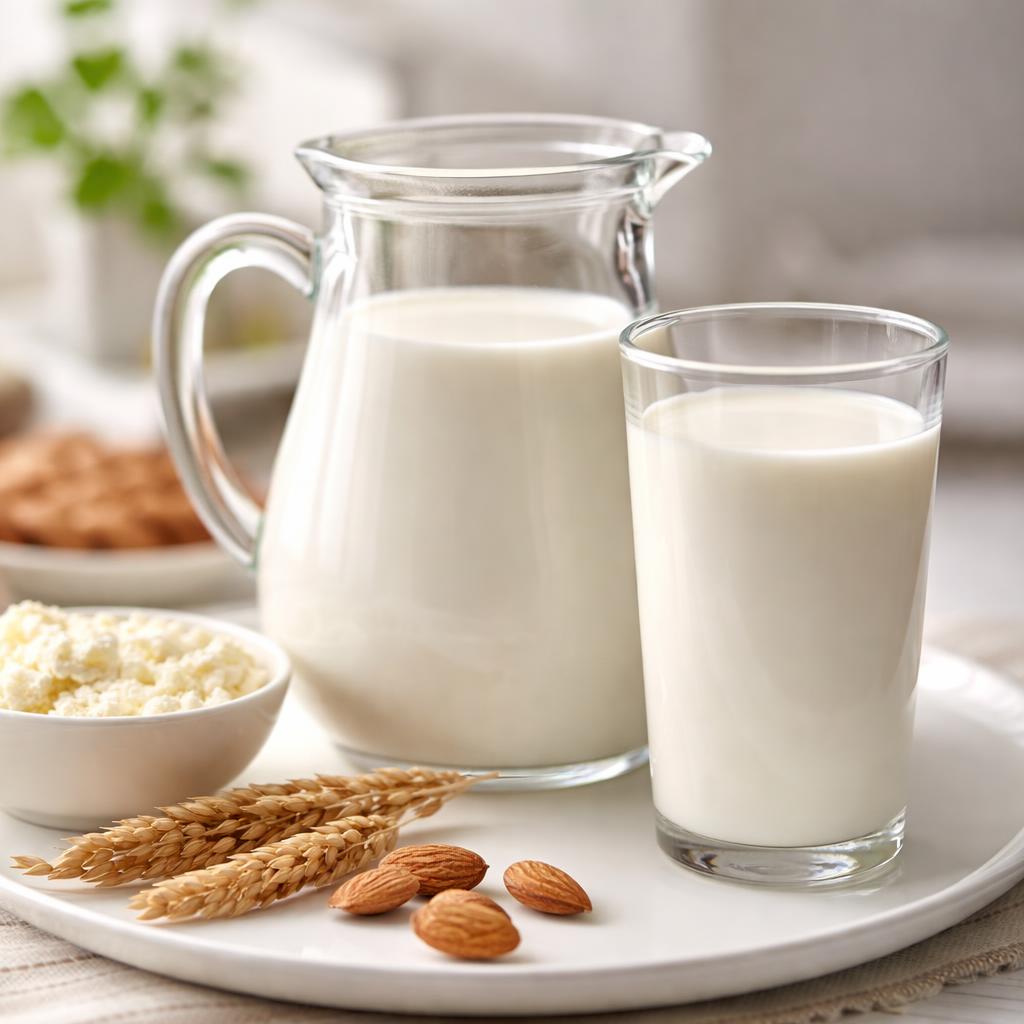
Milk
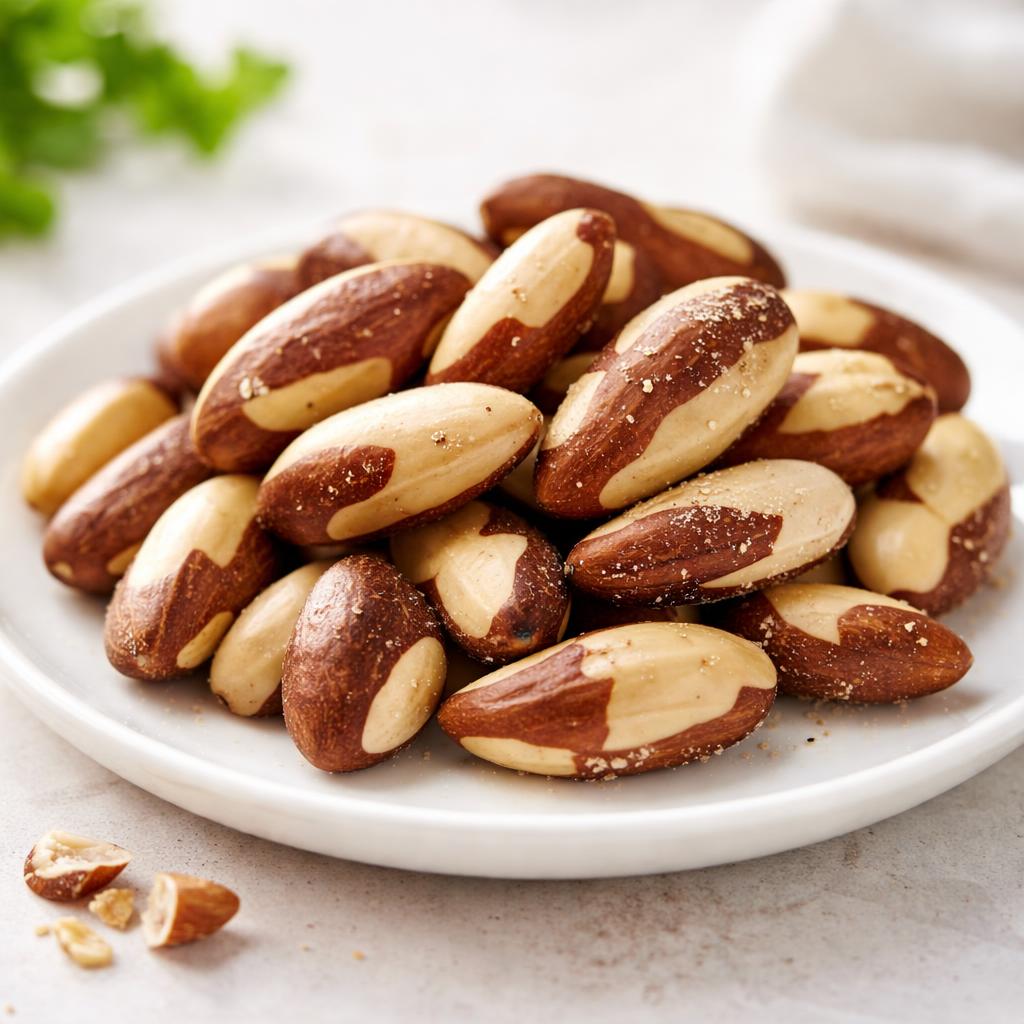
Brazil Nuts
🎯 Quick Verdict
Milk is lower in calories and offers 3.4 grams of protein per 100mL, making it ideal for muscle maintenance and weight management. Brazil nuts, on the other hand, are calorie-dense but rich in healthy fats, minerals like selenium, and provide 2.1 grams of fiber per 28-gram serving. Milk is suited for hydration and protein needs, while brazil nuts are better for boosting healthy fats and antioxidants in the diet.

Smart Nutrition Tracking with SnapCalorie

📊 Nutritional Comparison
Macronutrients
| Nutrient | Food 1 | Food 2 | Winner |
|---|---|---|---|
| Calories | 42 calories (per 100mL) | 185 calories (per 28g) | − |
| Protein | 3.4g (per 100mL) | 4g (per 28g) | − |
| Carbs | 5g (per 100mL) | 3.3g (per 28g) | − |
| Fat | 1g (per 100mL) | 18.6g (per 28g) | − |
| Fiber | 0g (per 100mL) | 2.1g (per 28g) | − |
Vitamins & Minerals
| Nutrient | Food 1 | Food 2 | Winner |
|---|---|---|---|
| Vitamin D | 1mcg (per 100mL, fortified milk) | 0mcg | − |
| Calcium | 120mg (per 100mL) | 45mg (per 28g) | − |
| Selenium | 1mcg (per 100mL) | 544mcg (per 28g) | − |
| Magnesium | 10mg (per 100mL) | 105mg (per 28g) | − |
🏆 Category Winners
Protein
Milk offers 3.4 grams of protein per 100mL, making it a higher protein choice compared to brazil nuts per serving size.
Fiber
Brazil nuts provide 2.1 grams of fiber per 28 grams, while milk contains no fiber.
Calories
Milk contains only 42 calories per 100mL, while brazil nuts are much higher at 185 calories per 28 grams.
🥗 Diet Compatibility
Keto
Food 1: Not Compatible
Food 2: Compatible
Brazil nuts are high in healthy fats and low in carbs, making them keto-friendly, while milk contains more carbohydrates.
Vegan
Food 1: Not Compatible
Food 2: Compatible
Milk is an animal product, whereas brazil nuts are plant-based.
Gluten Free
Food 1: Compatible
Food 2: Compatible
Both foods are naturally gluten-free.
Paleo
Food 1: Compatible
Food 2: Compatible
Milk and brazil nuts are considered paleo-friendly, though dairy acceptance can vary among paleo followers.
Low Carb
Food 1: Not Compatible
Food 2: Compatible
Brazil nuts are lower in carbohydrates compared to milk and are better suited for low-carb diets.
💪 Health Benefits Comparison
Food 1 Benefits
- High-quality protein for muscle growth and repair
- Rich in calcium for strong bones and teeth
- Contains vitamin D (in fortified versions) for bone health and immune support
Food 2 Benefits
- Excellent source of selenium for antioxidant protection
- Contains healthy fats that support brain and heart health
- Rich in magnesium and minerals for better energy and muscle function
- Provides fiber for digestion and gut health
✅ The Bottom Line
Milk is an excellent choice for those seeking a low-calorie, protein-rich option with bone-supporting nutrients like calcium and vitamin D. Brazil nuts are ideal for individuals looking to increase their healthy fat intake, boost antioxidant levels, and incorporate heart-healthy minerals like selenium and magnesium. Choose milk for hydration and post-workout recovery, and brazil nuts as a nutrient-dense snack or topping.
Choose Food 1 for: Post-workout recovery, weight management, bone health
Choose Food 2 for: Heart health, low-carb diets, antioxidant support


