Milk VS Bean Salad
A detailed nutritional comparison
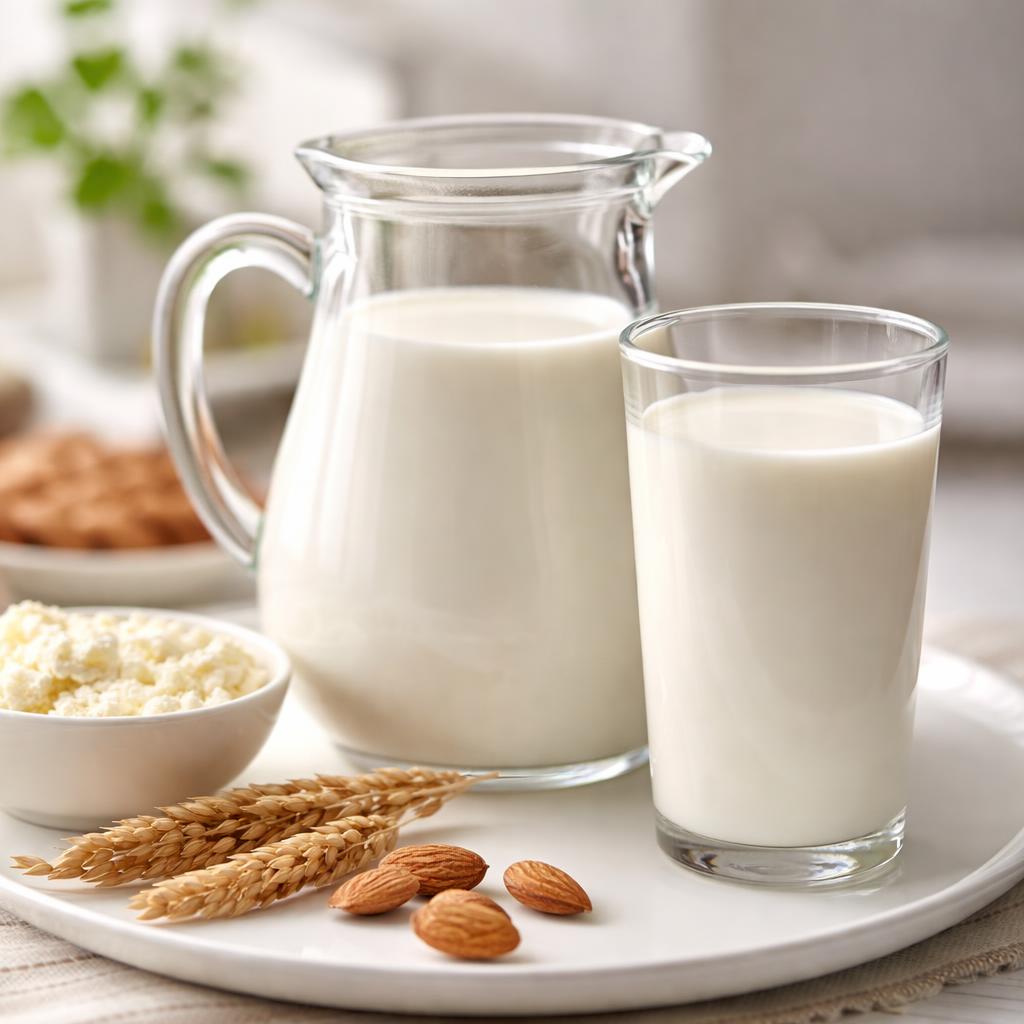
Milk
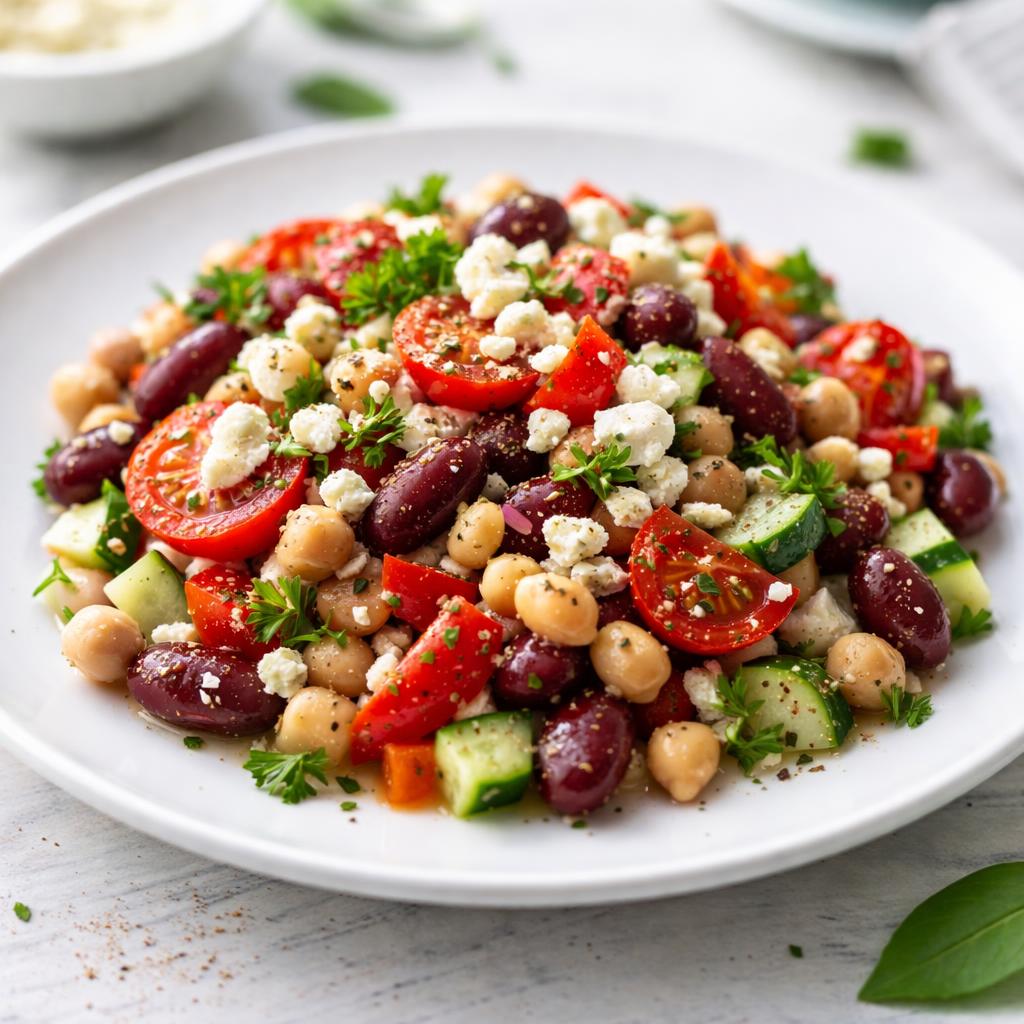
Bean Salad
🎯 Quick Verdict
Milk is an excellent source of high-quality protein and calcium, making it ideal for muscle repair and bone health. Bean salad, on the other hand, provides significantly more fiber, healthy plant-based fats, and a diverse range of vitamins and minerals, making it better suited for digestive health and heart support. Each has unique strengths depending on dietary priorities.

Smart Nutrition Tracking with SnapCalorie

📊 Nutritional Comparison
Macronutrients
| Nutrient | Food 1 | Food 2 | Winner |
|---|---|---|---|
| Calories | 103 (1 cup of 2% milk) | 250 (1 cup of bean salad) | ✓ |
| Protein | 8g | 6g | ✓ |
| Carbs | 12g | 35g | ✓ |
| Fat | 2.5g | 7g | ✓ |
| Fiber | 0g | 10g | ✓ |
Vitamins & Minerals
| Nutrient | Food 1 | Food 2 | Winner |
|---|---|---|---|
| Vitamin D | 3mcg | 0mcg | ✓ |
| Calcium | 300mg | 70mg | ✓ |
| Iron | 0.1mg | 2.5mg | ✓ |
| Vitamin C | 0mg | 15mg | ✓ |
🏆 Category Winners
Protein
Milk contains 33% more protein per serving than bean salad.
Fiber
Bean salad is rich in fiber, offering 10g compared to 0g in milk.
Calories
Milk is lower in calories, saving approximately 60% compared to bean salad.
Vitamins
Bean salad provides a more diverse micronutrient profile, including more vitamin C and iron.
🥗 Diet Compatibility
Keto
Food 1: Compatible
Food 2: Not Compatible
Milk is lower in carbs while bean salad is high-carb.
Vegan
Food 1: Not Compatible
Food 2: Compatible
Milk is not vegan; bean salad is plant-based.
Gluten Free
Food 1: Compatible
Food 2: Compatible
Neither contains gluten.
Paleo
Food 1: Not Compatible
Food 2: Compatible
Milk is not allowed on paleo diets; beans are generally accepted depending on strictness.
Low-Carb
Food 1: Compatible
Food 2: Not Compatible
Milk is lower in carbs (12g vs 35g).
💪 Health Benefits Comparison
Food 1 Benefits
- Rich source of high-quality protein for muscle repair
- Excellent supply of calcium for strong bones and teeth
- Includes natural vitamin D for bone health and immune function
Food 2 Benefits
- High in fiber for improved digestion and gut health
- Rich in plant-based iron for better oxygen transport in blood
- Contains antioxidants and vitamin C to support immune health
- Provides heart-healthy fats for cardiovascular support
✅ The Bottom Line
Milk is a better choice for those seeking low-calorie, high-protein nutrition, especially for muscle repair and bone health. Bean salad is better suited for those prioritizing digestive health, sustained energy, and nutrient diversity in a plant-based diet.
Choose Food 1 for: Post-workout recovery, bone health, low-calorie diets
Choose Food 2 for: Gut health, heart health, plant-based diets, sustained energy


