Mexican Rice VS Wheat Beer
A detailed nutritional comparison
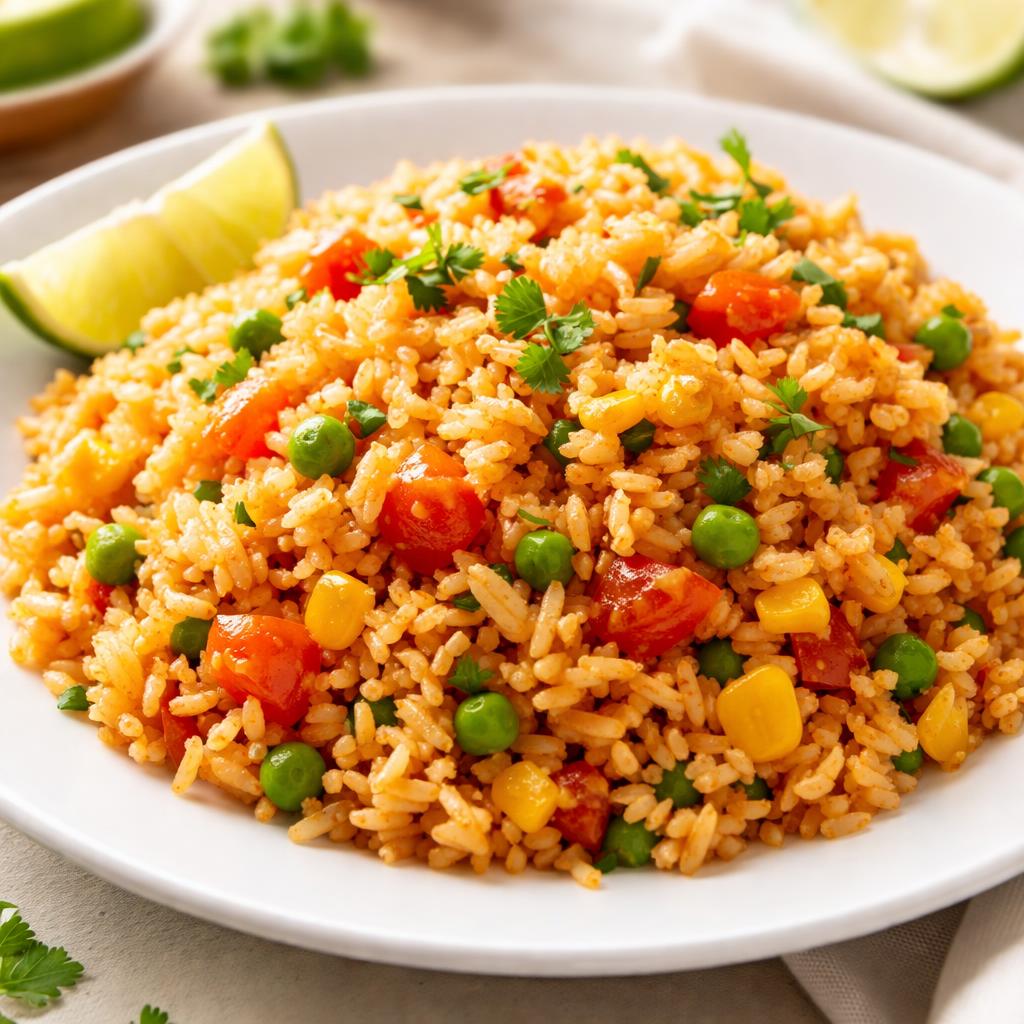
Mexican Rice

Wheat Beer
🎯 Quick Verdict
Mexican rice is overall more nutrient-dense with higher protein, fiber, and fewer calories than wheat beer. Wheat beer mainly serves as a beverage with minimal nutrients but provides a source of carbohydrates and occasional antioxidants. Mexican rice is better suited for meals, while wheat beer may complement social or recreational settings in moderation.

Smart Nutrition Tracking with SnapCalorie

📊 Nutritional Comparison
Macronutrients
| Nutrient | Food 1 | Food 2 | Winner |
|---|---|---|---|
| Calories | 215 | 170 | ✓ |
| Protein | 4.7g | 2g | ✓ |
| Carbs | 40g | 13g | ✓ |
| Fat | 5.5g | 0g | ✓ |
| Fiber | 3g | 0g | ✓ |
Vitamins & Minerals
| Nutrient | Food 1 | Food 2 | Winner |
|---|---|---|---|
| Vitamin D | 0mcg | 0mcg | − |
| Calcium | 20mg | 10mg | ✓ |
| Iron | 1.5mg | 0.1mg | ✓ |
🏆 Category Winners
Protein
Mexican rice delivers over twice as much protein as wheat beer.
Fiber
Mexican rice contains 3g of fiber, while wheat beer provides none.
Calories
Wheat beer has 45 fewer calories per serving compared to Mexican rice.
🥗 Diet Compatibility
Keto
Food 1: Not Compatible
Food 2: Not Compatible
Both are high in carbohydrates.
Vegan
Food 1: Compatible
Food 2: Compatible
Both are plant-based and free of animal products.
Gluten Free
Food 1: Compatible
Food 2: Not Compatible
Mexican rice is naturally gluten-free, but wheat beer contains gluten from barley or wheat.
Paleo
Food 1: Not Compatible
Food 2: Not Compatible
Neither aligns with paleo principles due to grains and processing.
Low Carb
Food 1: Not Compatible
Food 2: Not Compatible
Both foods are high in carbohydrates.
💪 Health Benefits Comparison
Food 1 Benefits
- Provides balanced energy from carbohydrates and protein
- Contains fiber for digestive health
- Contains iron for improved oxygen transport in the body
Food 2 Benefits
- Occasional source of antioxidants from barley and wheat
- Can support hydration and social moderation
- Contributes small amounts of calcium and trace minerals
✅ The Bottom Line
Choose Mexican rice for a balanced and nutrient-dense meal with protein and fiber, making it ideal for a satisfying dish. Wheat beer is better reserved for occasional use in social settings or as a recreational beverage, though not as nutritious as Mexican rice.
Choose Food 1 for: Balanced meals, energy support, fiber-rich diets
Choose Food 2 for: Social occasions, occasional carbohydrate source


