Mexican Rice VS Vegetable Rice
A detailed nutritional comparison
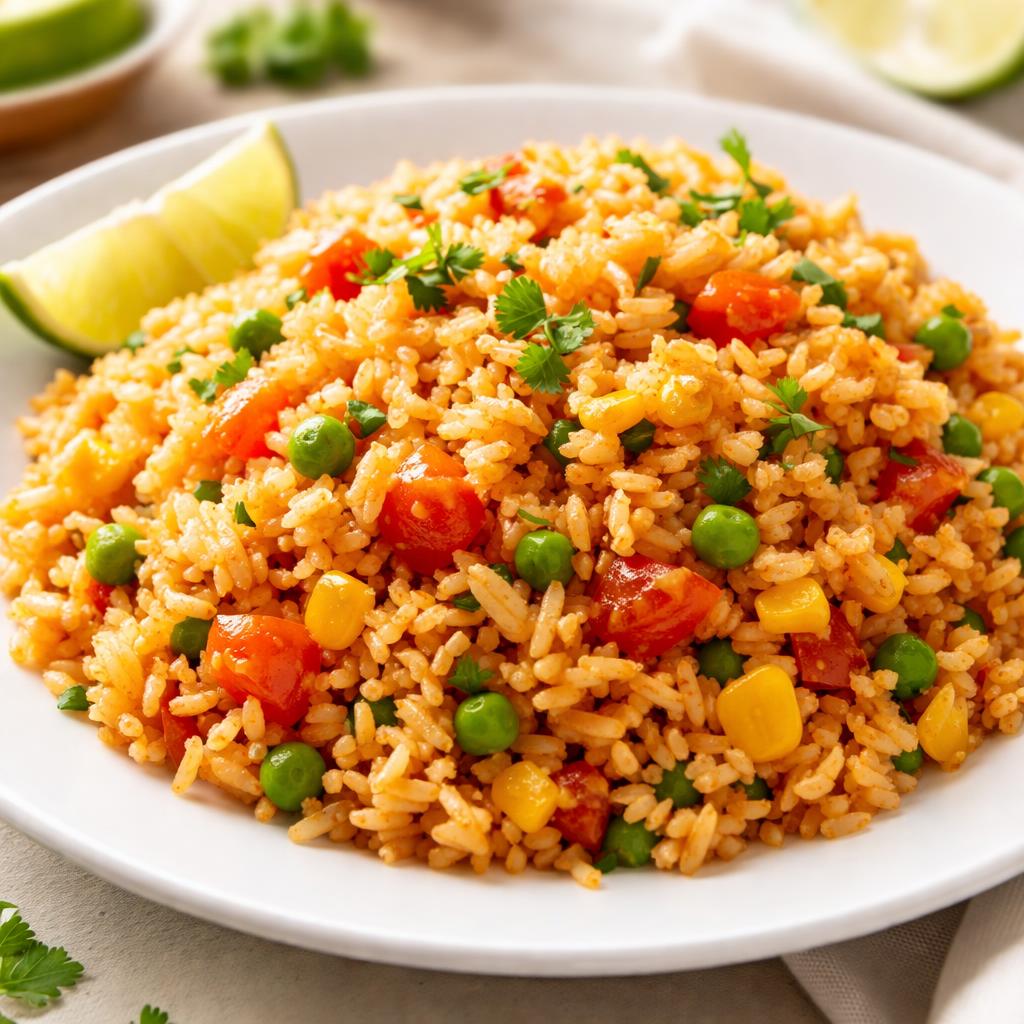
Mexican Rice
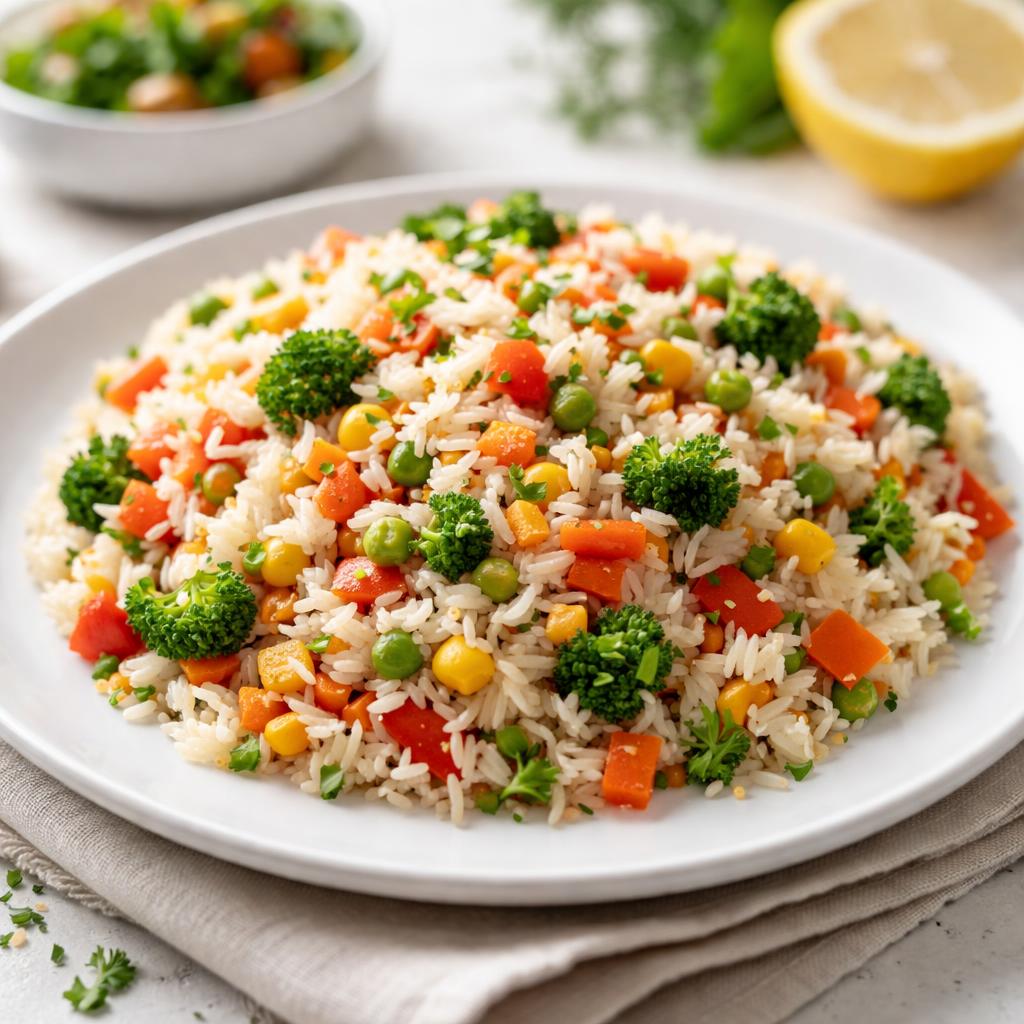
Vegetable Rice
🎯 Quick Verdict
Vegetable rice is a lower-calorie, higher-fiber alternative compared to Mexican rice. Mexican rice contains slightly more sodium and more carbohydrates, making it better for energy replenishment, while vegetable rice is ideal for lighter meals and nutrient density. Both foods offer balanced macros and vitamins, but vegetable rice edges out in overall health benefits.

Smart Nutrition Tracking with SnapCalorie

📊 Nutritional Comparison
Macronutrients
| Nutrient | Food 1 | Food 2 | Winner |
|---|---|---|---|
| Calories | 210 | 180 | ✓ |
| Protein | 5g | 5g | − |
| Carbs | 38g | 32g | ✓ |
| Fat | 6g | 3g | ✓ |
| Fiber | 2g | 4g | ✓ |
Vitamins & Minerals
| Nutrient | Food 1 | Food 2 | Winner |
|---|---|---|---|
| Vitamin C | 2mg | 10mg | ✓ |
| Vitamin A | 20mcg | 50mcg | ✓ |
| Potassium | 120mg | 200mg | ✓ |
🏆 Category Winners
Protein
Both foods offer 5g of protein per serving.
Fiber
Food2 provides 100% more fiber per serving, supporting better digestion.
Calories
Food2 is 14% lower in calories per serving, making it a lighter choice.
Vitamins
Food2 has higher levels of Vitamin C, Vitamin A, and Potassium.
🥗 Diet Compatibility
Keto
Food 1: Not Compatible
Food 2: Not Compatible
Both are high in carbs typical of rice dishes.
Vegan
Food 1: Compatible
Food 2: Compatible
Both are entirely plant-based options.
Gluten Free
Food 1: Compatible
Food 2: Compatible
Neither food contains gluten.
Paleo
Food 1: Not Compatible
Food 2: Not Compatible
Rice is not permitted in a paleo diet.
Low Carb
Food 1: Not Compatible
Food 2: Not Compatible
Both foods are moderate to high in carbs.
💪 Health Benefits Comparison
Food 1 Benefits
- Provides sustained energy due to higher carb content
- Contains healthy fats for satiety
- Low to moderate fiber for easy digestion
Food 2 Benefits
- Rich in fiber for digestive health
- Lower in calories for weight management
- Contains more vitamins for overall nutrient density
✅ The Bottom Line
Choose Mexican rice for an energy boost or post-workout meal due to its higher carb content and flavorful profile. Opt for vegetable rice for a lower-calorie, nutrient-dense option that supports digestion and balances meals. Both can be incorporated into plant-based dishes or paired with proteins.
Choose Food 1 for: Comfort meals, energy replenishment, post-workout carbs
Choose Food 2 for: Weight loss goals, nutrient-focused meals, light lunches


