Mexican Rice VS Seafood Pasta
A detailed nutritional comparison
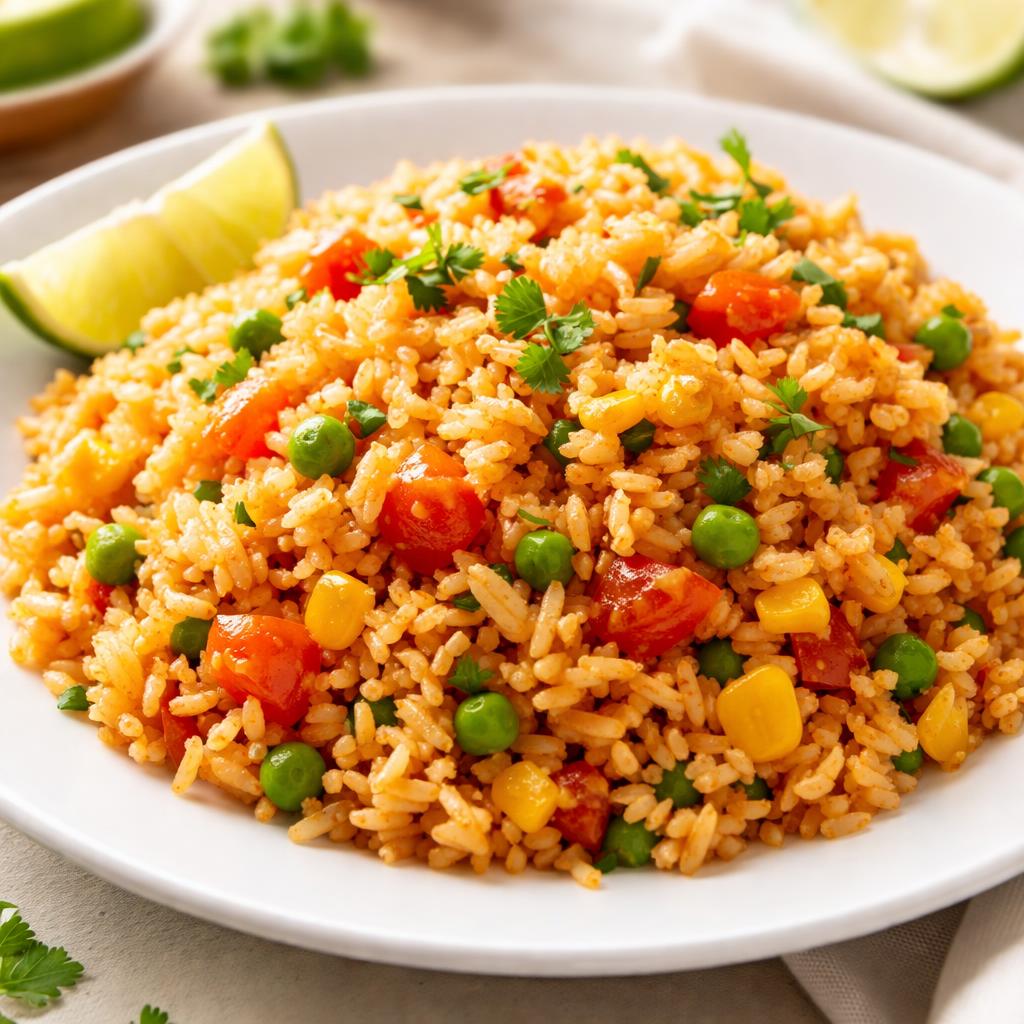
Mexican Rice
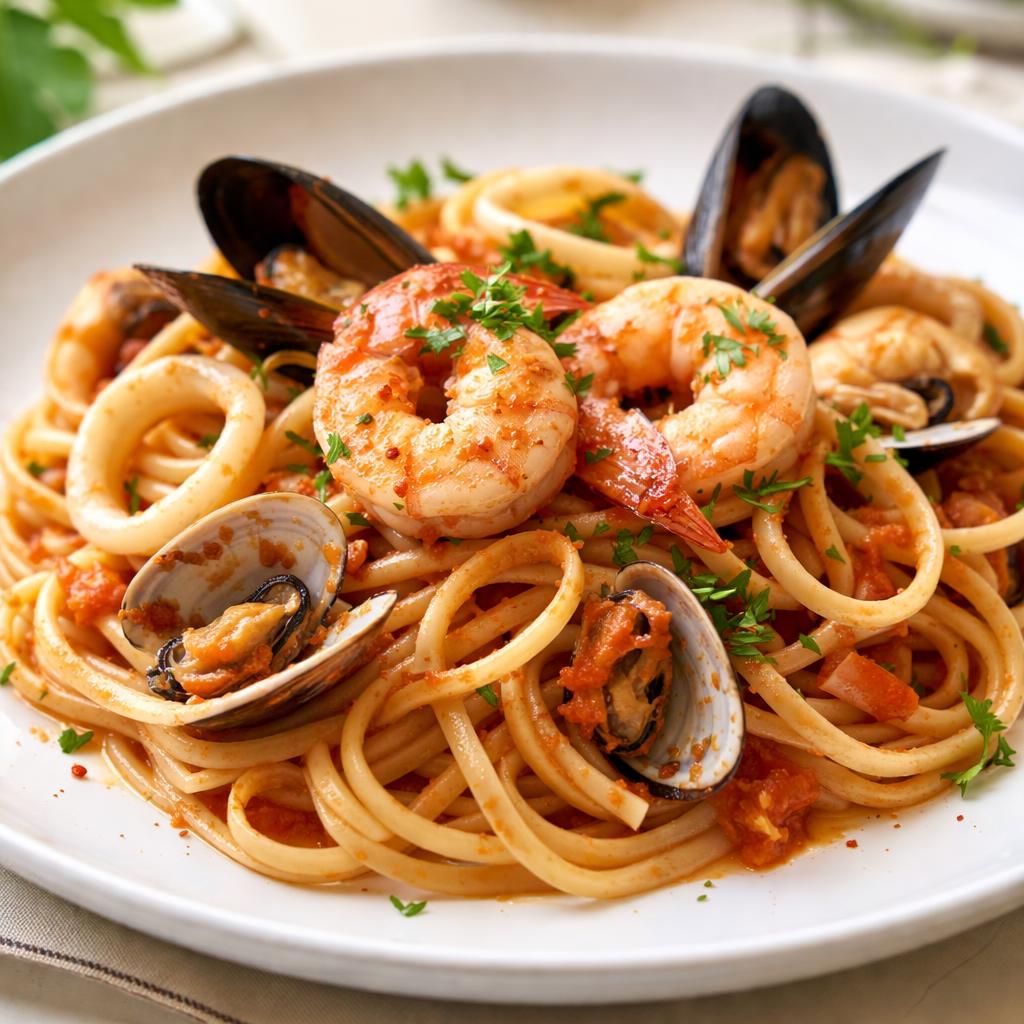
Seafood Pasta
🎯 Quick Verdict
Seafood pasta is significantly higher in protein but contains slightly more fat, making it ideal for muscle-building or higher-energy needs. Mexican rice, on the other hand, provides more fiber and a lower-fat profile, lending itself well to digestive health and lighter meals. Both foods have similar calorie levels but serve different nutritional purposes depending on your dietary priorities.

Smart Nutrition Tracking with SnapCalorie

📊 Nutritional Comparison
Macronutrients
| Nutrient | Food 1 | Food 2 | Winner |
|---|---|---|---|
| Calories | 220 | 220 | − |
| Protein | 4g | 14g | − |
| Carbs | 38g | 32g | − |
| Fat | 6g | 8g | − |
| Fiber | 3g | 2g | − |
Vitamins & Minerals
| Nutrient | Food 1 | Food 2 | Winner |
|---|---|---|---|
| Vitamin B12 | 0mcg | 3mcg | − |
| Vitamin C | 5mg | 8mg | − |
| Calcium | 20mg | 40mg | − |
| Iron | 1mg | 2mg | − |
🏆 Category Winners
Protein
Seafood pasta provides 3.5 times more protein than Mexican rice due to the inclusion of seafood.
Fiber
Mexican rice offers 50% more fiber per serving than seafood pasta.
Calories
Both dishes provide approximately 220 calories per serving, making them equivalent in caloric density.
Vitamins
Seafood pasta contains higher amounts of Vitamin B12, Calcium, Iron, and Vitamin C, thanks to its seafood content.
🥗 Diet Compatibility
Keto
Food 1: Not Compatible
Food 2: Not Compatible
Both foods are too high in carbohydrates for a keto diet.
Vegan
Food 1: Compatible
Food 2: Not Compatible
Mexican rice is plant-based, while seafood pasta contains animal ingredients.
Gluten Free
Food 1: Not Compatible
Food 2: Not Compatible
Both dishes likely contain gluten unless specifically prepared with gluten-free ingredients.
Paleo
Food 1: Not Compatible
Food 2: Not Compatible
Both contain grains, which are generally avoided in paleo diets.
Low-Carb
Food 1: Not Compatible
Food 2: Not Compatible
Both foods are high in carbohydrates, exceeding the limits of low-carb diets.
💪 Health Benefits Comparison
Food 1 Benefits
- Higher fiber content promotes digestive health.
- Provides moderate energy for balanced meals.
- Plant-based option suitable for vegetarian diets.
Food 2 Benefits
- Rich source of high-quality protein for muscle maintenance and repair.
- Vitamin B12 supports red blood cell production and nervous system health.
- Provides Omega-3 fatty acids from seafood, promoting heart health.
✅ The Bottom Line
For protein needs and nutrient density, seafood pasta is the superior choice, particularly for active individuals or those with higher nutritional demands. Mexican rice, however, is lighter, higher in fiber, and suits vegetarian diets or those looking for easier digestion. Consider your dietary priorities when selecting between these two options.
Choose Food 1 for: Vegetarian meals, digestive health, lighter side dishes
Choose Food 2 for: Muscle-building, heart health, nutrient-packed meals


