Mexican Rice VS Rice Soup
A detailed nutritional comparison
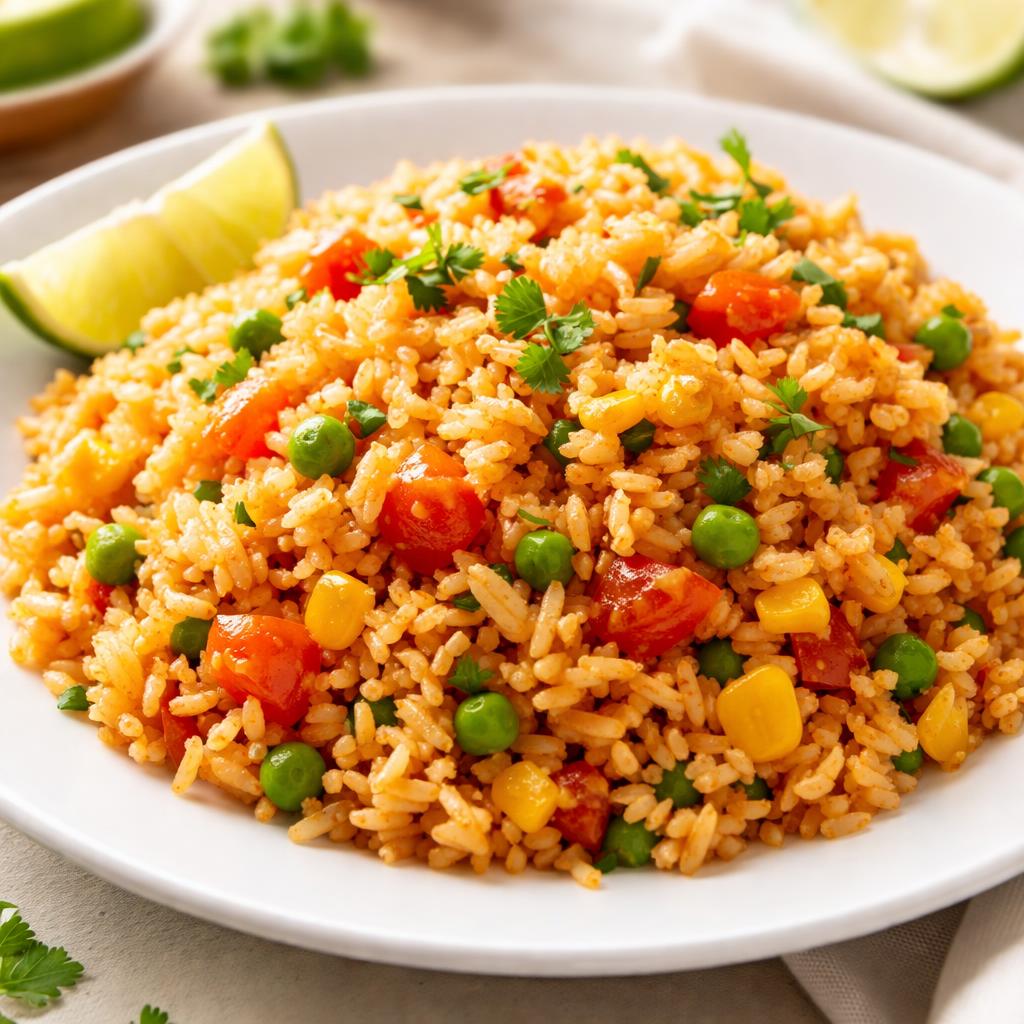
Mexican Rice
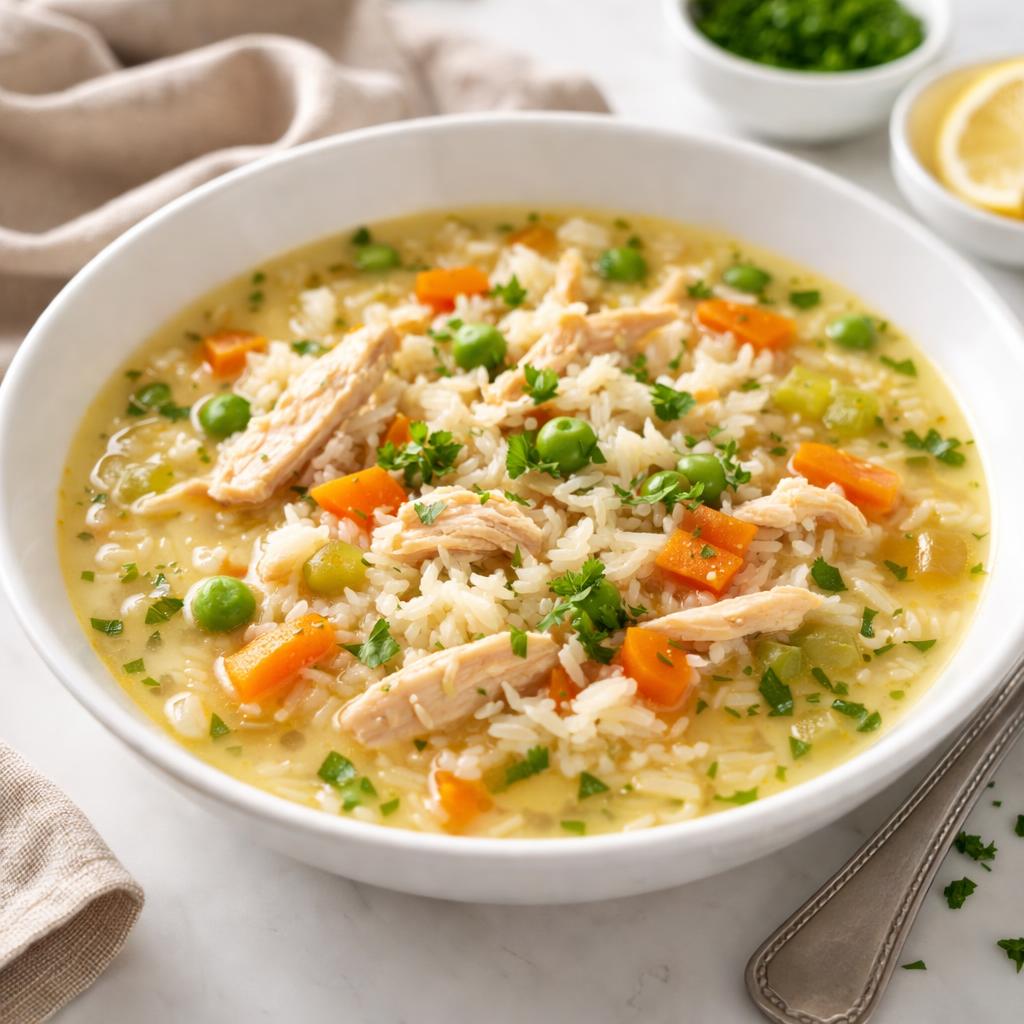
Rice Soup
🎯 Quick Verdict
Mexican rice and rice soup serve different purposes in diet plans. Mexican rice provides higher protein (5g vs 2g) and fiber (3g vs 1g), making it more filling and nutritious for a balanced meal or post-workout recovery. Rice soup is lower in calories (75 vs 210 per serving) and offers hydration, making it an ideal option for light meals or when aiming for calorie control and easy digestion.

Smart Nutrition Tracking with SnapCalorie

📊 Nutritional Comparison
Macronutrients
| Nutrient | Food 1 | Food 2 | Winner |
|---|---|---|---|
| Calories | 210 | 75 | − |
| Protein | 5g | 2g | − |
| Carbs | 40g | 15g | − |
| Fat | 4g | 1g | − |
| Fiber | 3g | 1g | − |
Vitamins & Minerals
| Nutrient | Food 1 | Food 2 | Winner |
|---|---|---|---|
| Vitamin A | 100mcg | 50mcg | − |
| Vitamin C | 6mg | 1mg | − |
| Iron | 2mg | 0.5mg | − |
🏆 Category Winners
Protein
Mexican rice has more than double the protein content of rice soup per serving.
Fiber
Mexican rice contains three times the fiber, supporting digestion better.
Calories
Rice soup has far fewer calories per serving, ideal for calorie-controlled meals.
Vitamins
Mexican rice has higher levels of Vitamin A, Vitamin C, and Iron.
🥗 Diet Compatibility
Keto
Food 1: Not Compatible
Food 2: Not Compatible
Both are high-carb foods and not suitable for keto diets.
Vegan
Food 1: Compatible
Food 2: Compatible
Both can be made plant-based by using vegetable stock or omitting animal products.
Gluten Free
Food 1: Compatible
Food 2: Compatible
Neither contains gluten when prepared traditionally.
Paleo
Food 1: Not Compatible
Food 2: Not Compatible
Both contain grains, which are excluded in paleo diets.
Low Carb
Food 1: Not Compatible
Food 2: Not Compatible
Both are relatively high in carbohydrates.
💪 Health Benefits Comparison
Food 1 Benefits
- Higher protein content helps support muscle recovery.
- Rich in fiber for better digestion and satiety.
- Contains Vitamin C and Iron, supporting immune health and energy levels.
Food 2 Benefits
- Low calorie content is ideal for weight control.
- Easy to digest, making it suitable for sensitive stomachs.
- Hydrating and comforting, especially when consumed warm.
✅ The Bottom Line
Choose Mexican rice when you need a filling, nutrient-dense meal with more protein and fiber to fuel workouts or boost satiety. Opt for rice soup if you're aiming for a lighter, calorie-controlled meal that’s comforting and hydrates you well.
Choose Food 1 for: Post-workout meals, balanced diets, filling lunch or dinner.
Choose Food 2 for: Low-calorie diets, gentle hydration, light and easy digestion.


