Mexican Rice VS Rice Salad
A detailed nutritional comparison
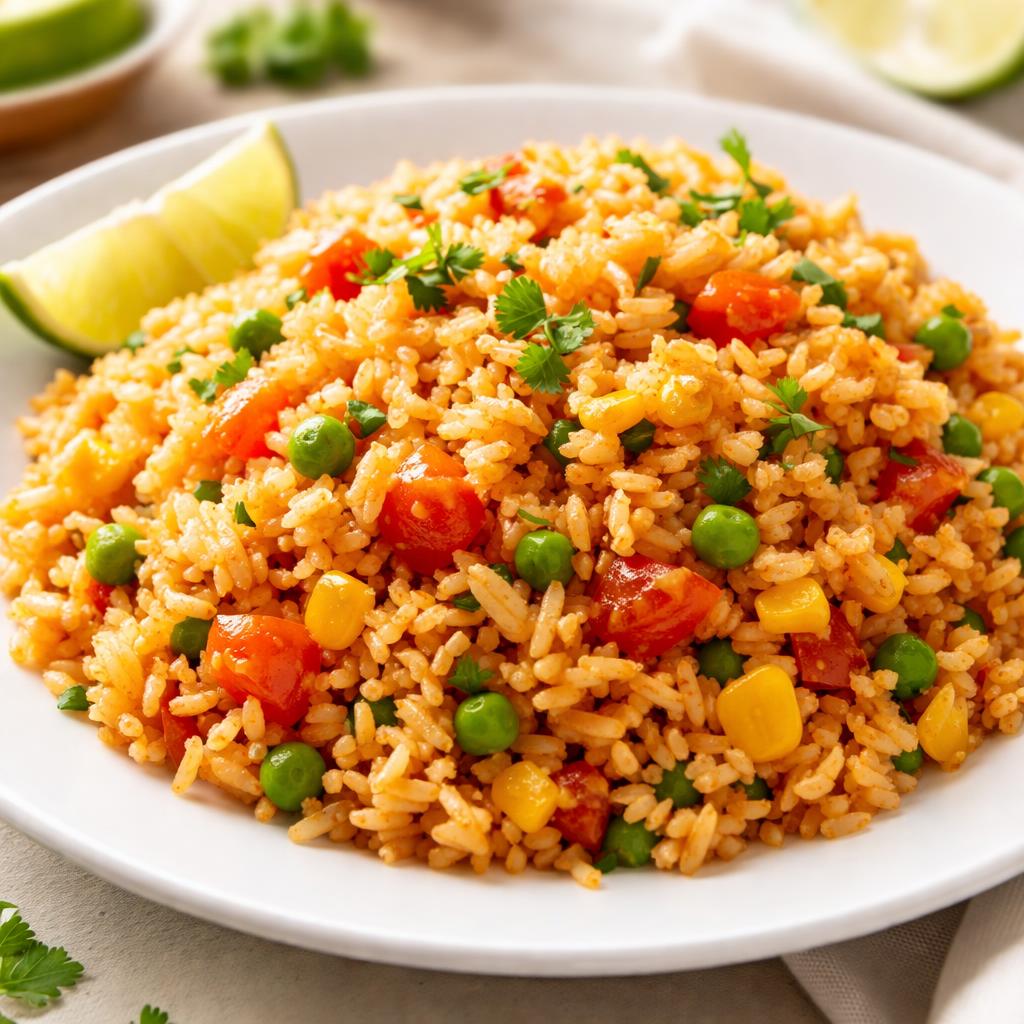
Mexican Rice
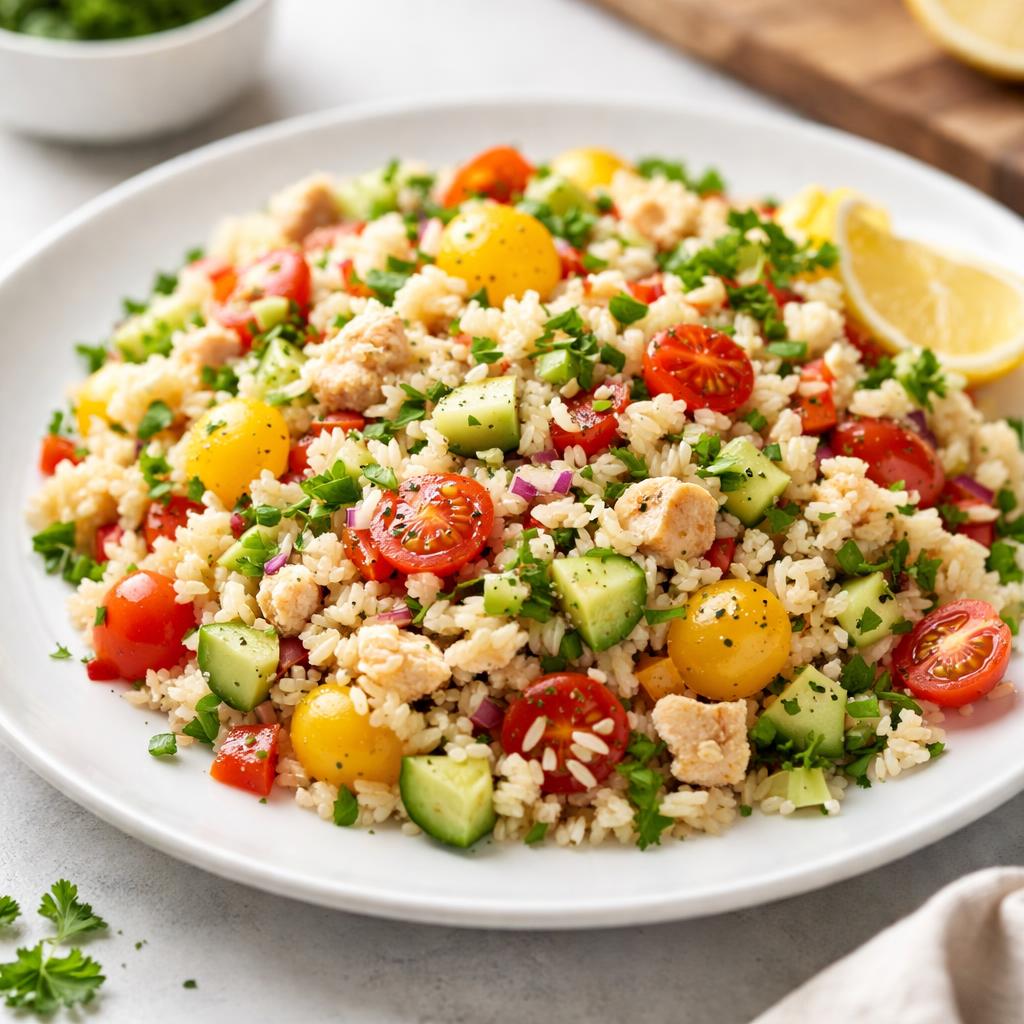
Rice Salad
🎯 Quick Verdict
Mexican rice and rice salad differ significantly in calorie and fiber content. Rice salad generally offers more fiber and fewer calories, making it a lighter option. Mexican rice, however, is higher in sodium and features additional flavors from fats and seasonings, suiting hearty meals. Consider your dietary focus—fiber and lighter meals or a rich, flavorful dish—when picking between these two foods.

Smart Nutrition Tracking with SnapCalorie

📊 Nutritional Comparison
Macronutrients
| Nutrient | Food 1 | Food 2 | Winner |
|---|---|---|---|
| Calories | 250 | 180 | ✓ |
| Protein | 5g | 5g | − |
| Carbs | 40g | 35g | ✓ |
| Fat | 8g | 6g | ✓ |
| Fiber | 2g | 4g | ✓ |
Vitamins & Minerals
| Nutrient | Food 1 | Food 2 | Winner |
|---|---|---|---|
| Vitamin C | 3mg | 10mg | ✓ |
| Vitamin A | 100mcg | 150mcg | ✓ |
| Iron | 1mg | 1.5mg | ✓ |
🏆 Category Winners
Protein
Both foods contain 5g of protein per serving.
Fiber
Rice salad has twice the fiber content compared to Mexican rice.
Calories
Rice salad has 28% fewer calories than Mexican rice.
Vitamins
Rice salad has a higher concentration of Vitamin C, Vitamin A, and Iron.
🥗 Diet Compatibility
Keto
Food 1: Not Compatible
Food 2: Not Compatible
Both are high in carbs and not suited for ketogenic diets.
Vegan
Food 1: Compatible
Food 2: Compatible
Both are plant-based and use vegan-friendly ingredients.
Gluten Free
Food 1: Compatible
Food 2: Compatible
Neither food contains gluten if prepared traditionally.
Paleo
Food 1: Not Compatible
Food 2: Compatible
Mexican rice may include non-paleo seasonings, whereas rice salad can be adapted for paleo diets if made without non-paleo dressings.
Low-Carb
Food 1: Not Compatible
Food 2: Not Compatible
Both foods have moderate to high carb content.
💪 Health Benefits Comparison
Food 1 Benefits
- Provides steady energy through complex carbs
- Rich in flavor for satisfying meals
- Source of iron for oxygen transport in blood
Food 2 Benefits
- High in fiber for better digestion
- Low in calories, supporting weight management
- Contains Vitamin C and antioxidants for immune health
✅ The Bottom Line
Mexican rice is ideal for hearty meals with robust flavors, while rice salad is better for lighter, nutrient-dense choices. Mexican rice works best as a side for high-calorie meals, whereas rice salad is versatile for balanced and fiber-rich eating.
Choose Food 1 for: Flavorful meals, energy provision, pairing with protein-rich dishes
Choose Food 2 for: Weight management, fiber-rich diets, immune-boosting nutrient intake


