Mexican Rice VS Red Rice
A detailed nutritional comparison
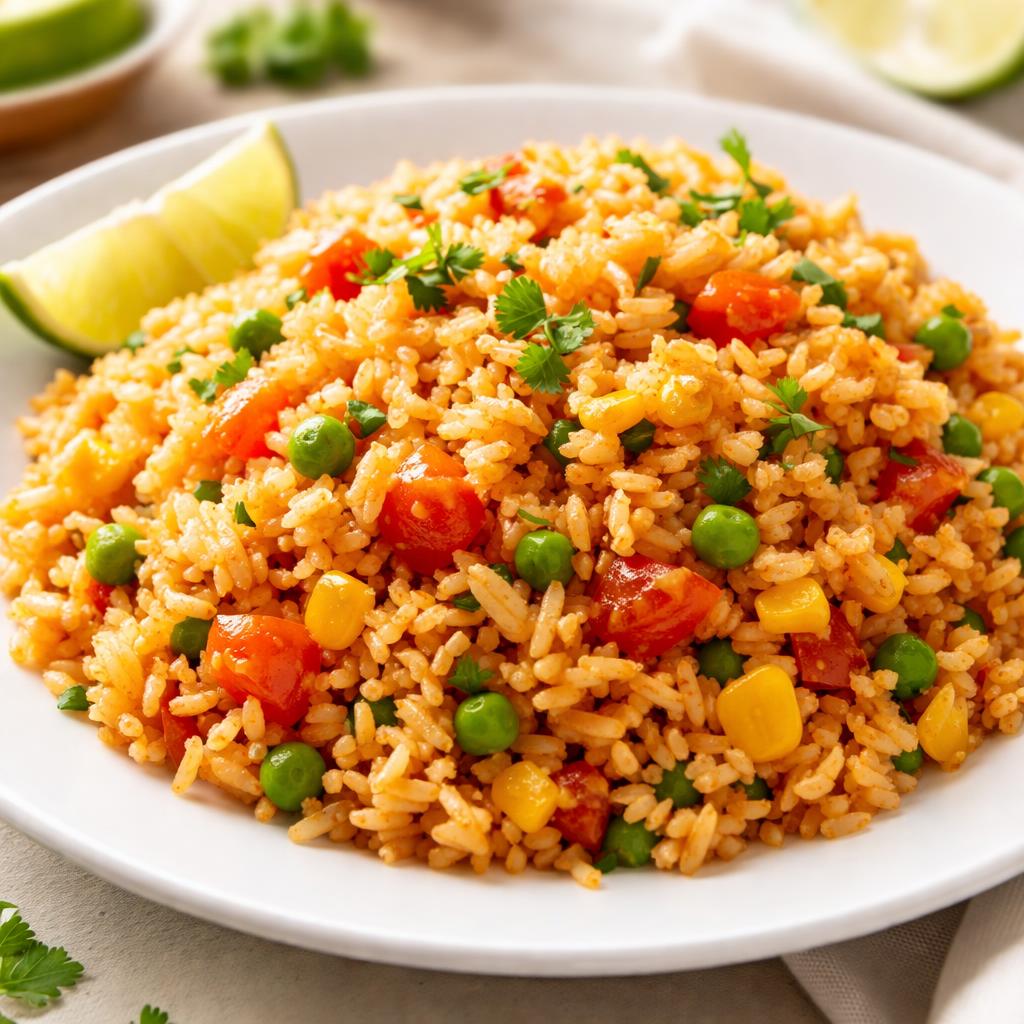
Mexican Rice
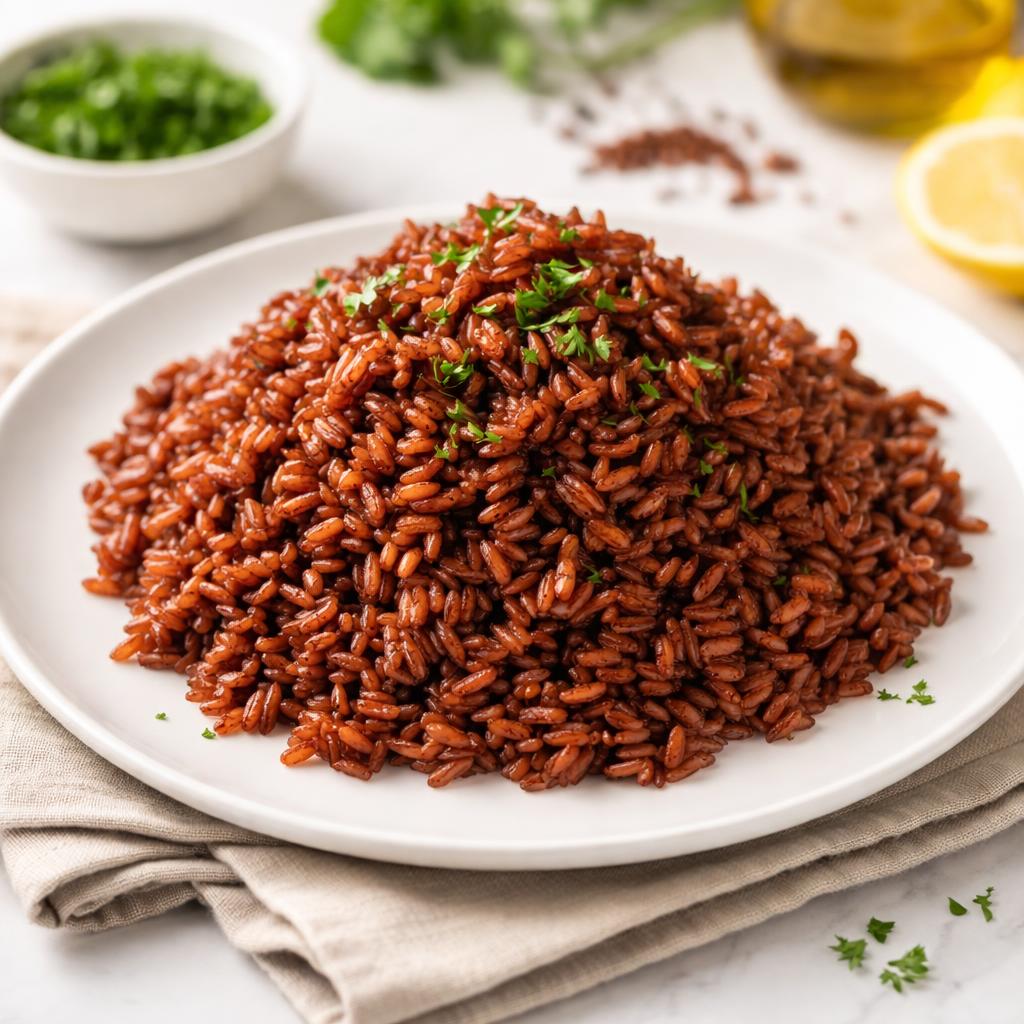
Red Rice
🎯 Quick Verdict
Mexican rice and red rice differ notably in their nutritional composition. Red rice is slightly lower in calories and has more fiber, making it better suited for weight management and gut health. Mexican rice is higher in sodium and fat due to added seasonings and oils, making it a richer, less diet-friendly option; however, it’s valuable for energy-intensive meals or flavor-centric dishes.

Smart Nutrition Tracking with SnapCalorie

📊 Nutritional Comparison
Macronutrients
| Nutrient | Food 1 | Food 2 | Winner |
|---|---|---|---|
| Calories | 210 | 165 | ✓ |
| Protein | 4g | 4g | − |
| Carbs | 40g | 35g | ✓ |
| Fat | 7g | 2g | ✓ |
| Fiber | 1g | 2.5g | ✓ |
Vitamins & Minerals
| Nutrient | Food 1 | Food 2 | Winner |
|---|---|---|---|
| Vitamin B6 | 0.1mg | 0.2mg | ✓ |
| Magnesium | 12mg | 76mg | ✓ |
| Iron | 0.6mg | 1.5mg | ✓ |
🏆 Category Winners
Protein
Both foods contain an equal amount of protein (4g per serving).
Fiber
Red rice offers 2.5 times more fiber, benefiting digestion and satiety.
Calories
Red rice is 21% lower in calories, making it suitable for calorie-conscious diets.
Vitamins
Red rice is richer in essential vitamins and minerals like magnesium and iron.
🥗 Diet Compatibility
Keto
Food 1: Not Compatible
Food 2: Not Compatible
Both foods are carb-heavy, making them unsuitable for keto diets.
Vegan
Food 1: Compatible
Food 2: Compatible
Both are plant-based and align with vegan dietary preferences.
Gluten Free
Food 1: Compatible
Food 2: Compatible
Neither contains gluten and is safe for gluten-free diets.
Paleo
Food 1: Not Compatible
Food 2: Compatible
Mexican rice contains added oils and processed seasonings that are not paleo-friendly, while red rice aligns with paleo standards.
Low-Carb
Food 1: Not Compatible
Food 2: Not Compatible
Both foods are high in carbohydrates and unsuitable for low-carb diets.
💪 Health Benefits Comparison
Food 1 Benefits
- Provides quick energy due to its carb content
- Enhanced flavor from added seasonings
- Convenient as a side dish for protein-heavy meals
Food 2 Benefits
- High fiber content supports digestive health
- Rich in magnesium for bone health and muscle recovery
- Contains antioxidants that fight cellular damage
✅ The Bottom Line
Red rice is the stronger choice for nutritional balance, offering fewer calories, more fiber, and higher vitamin content. It is better suited for weight management, gut health, and nutrient density. Mexican rice shines as a flavorful option, ideal for pairing with proteins or energy-dense meals.
Choose Food 1 for: Flavor-focused meals, energy boosts, versatile side dish
Choose Food 2 for: Healthy eating, weight management, nutrient-boosting meals


