Mexican Rice VS Plain Rice
A detailed nutritional comparison
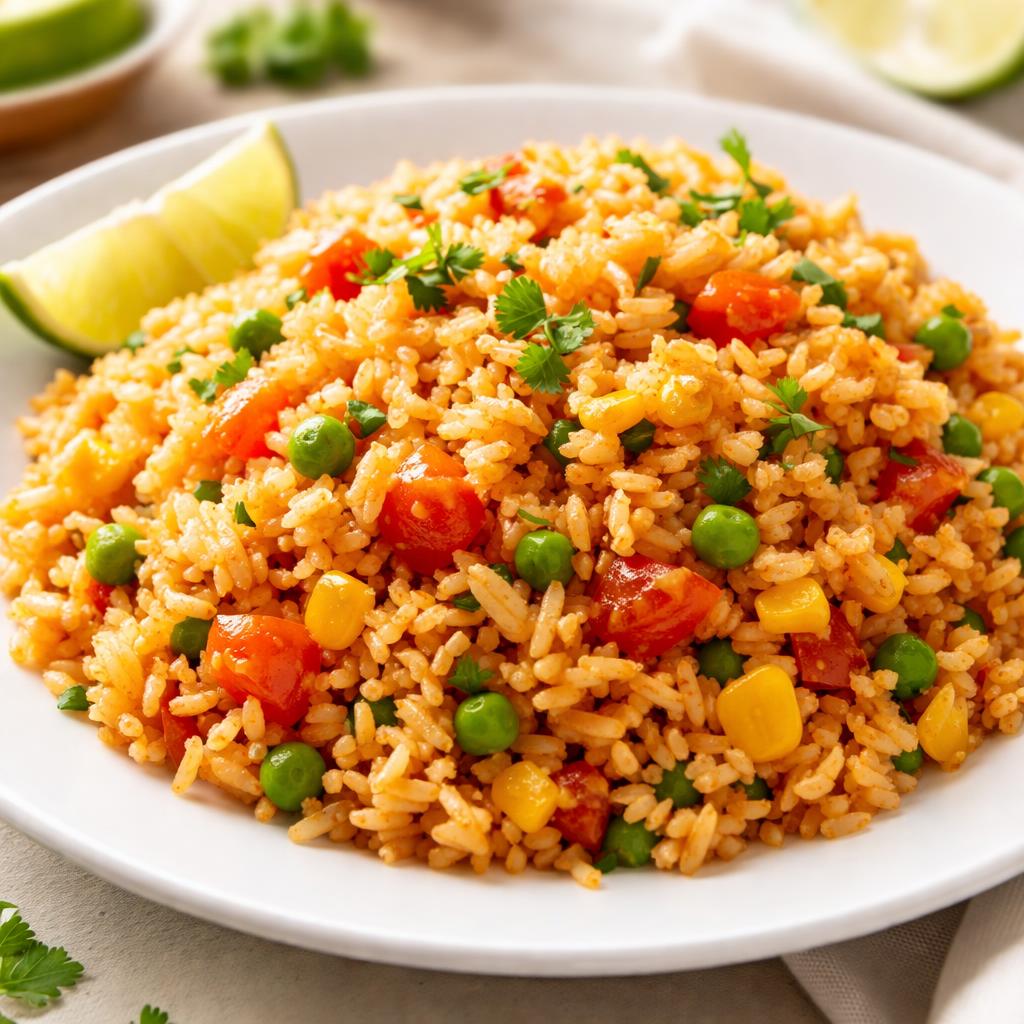
Mexican Rice
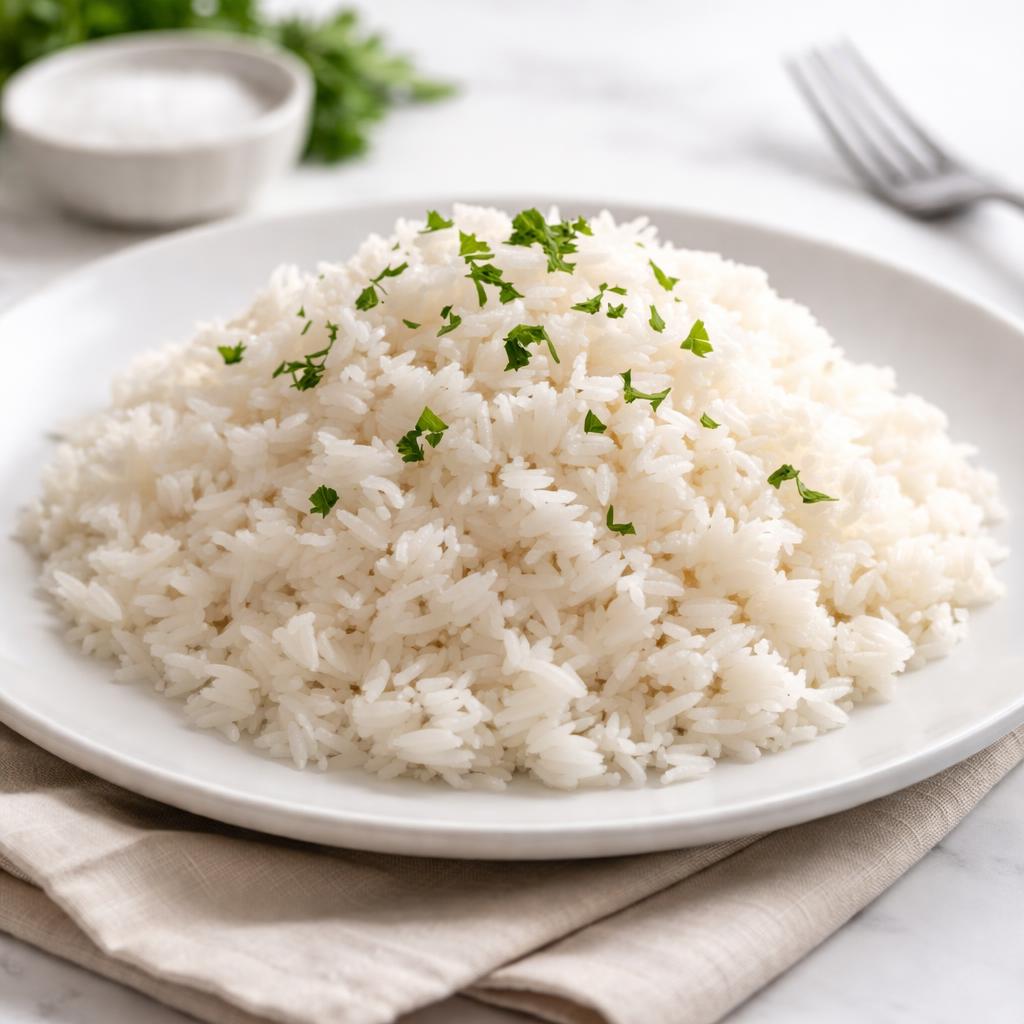
Plain Rice
🎯 Quick Verdict
Mexican rice and plain rice differ mainly in flavor and nutrient content. Mexican rice typically has slightly higher protein and fiber due to added ingredients like vegetables but also higher calories. Plain rice is simpler, lower in calories, and better for pure carbohydrate-focused meals. Choose Mexican rice for more flavor and nutrients, and plain rice for minimal additives and lower-calorie intake.

Smart Nutrition Tracking with SnapCalorie

📊 Nutritional Comparison
Macronutrients
| Nutrient | Food 1 | Food 2 | Winner |
|---|---|---|---|
| Calories | 200 kcal | 130 kcal | − |
| Protein | 4g | 2.5g | − |
| Carbs | 36g | 28g | − |
| Fat | 5g | 0.5g | − |
| Fiber | 2g | 0.5g | − |
Vitamins & Minerals
| Nutrient | Food 1 | Food 2 | Winner |
|---|---|---|---|
| Vitamin D | 0mcg | 0mcg | − |
| Calcium | 20mg | 10mg | − |
| Iron | 1mg | 0.3mg | − |
🏆 Category Winners
Protein
Mexican rice has 60% more protein compared to plain rice.
Fiber
Mexican rice has four times the fiber of plain rice.
Calories
Plain rice contains 35% fewer calories than Mexican rice.
🥗 Diet Compatibility
Keto
Food 1: Not Compatible
Food 2: Not Compatible
Both are high-carb foods unsuitable for keto.
Vegan
Food 1: Compatible
Food 2: Compatible
Both are plant-based options with no animal-derived ingredients.
Gluten Free
Food 1: Compatible
Food 2: Compatible
Rice is naturally gluten-free, including both varieties.
Paleo
Food 1: Compatible
Food 2: Compatible
Rice is considered acceptable in modified paleo diets.
Low-Carb
Food 1: Not Compatible
Food 2: Not Compatible
Both are high in carbohydrates and not suitable for low-carb diets.
💪 Health Benefits Comparison
Food 1 Benefits
- Provides more protein for muscle maintenance
- Higher fiber for healthy digestion
- Flavorful and nutrient-rich compared to plain rice
Food 2 Benefits
- Low in calories for weight management
- Easy to digest and simple for sensitive stomachs
- Good source of quick, clean carbohydrates for energy
✅ The Bottom Line
Mexican rice is a better choice for those seeking a more nutrient-dense and flavorful option, while plain rice is ideal for lower calorie needs or sensitive stomachs. Both have their place depending on dietary goals.
Choose Food 1 for: Flavorful meals, nutrient-rich side dishes, adding variety to diets
Choose Food 2 for: Low-calorie diets, simple meals, pairing with complex dishes


