Mexican Rice VS Pasta Shells
A detailed nutritional comparison
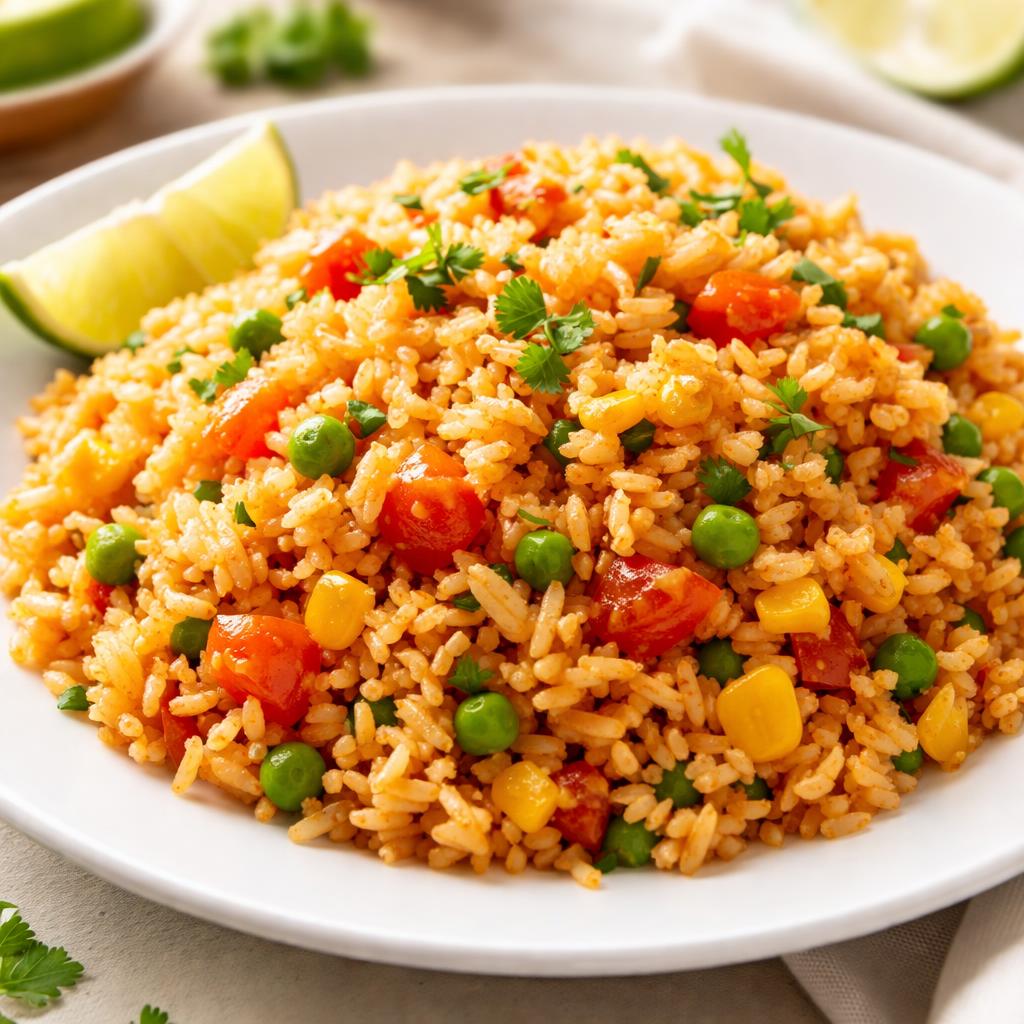
Mexican Rice
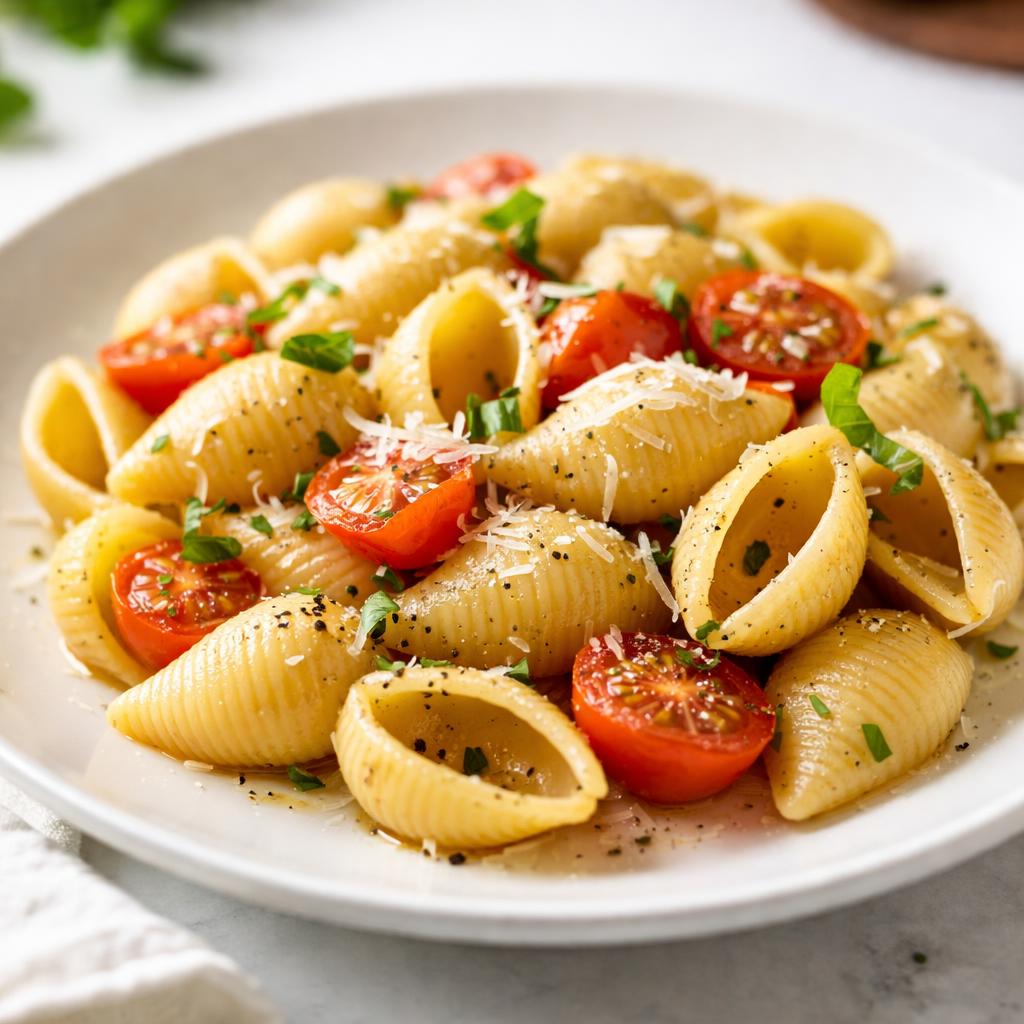
Pasta Shells
🎯 Quick Verdict
Mexican rice has fewer calories and higher fiber, making it an excellent choice for weight management and digestive health. Pasta shells have slightly more protein per serving, along with higher overall carbohydrates and sodium, which provide more sustained energy but may be less suitable for low-carb diets. Both are versatile base options, but Mexican rice aligns better with lighter dietary goals, while pasta shells might suit energy-demanding schedules or workouts.

Smart Nutrition Tracking with SnapCalorie

📊 Nutritional Comparison
Macronutrients
| Nutrient | Food 1 | Food 2 | Winner |
|---|---|---|---|
| Calories | 210 | 300 | ✓ |
| Protein | 5g | 7g | ✓ |
| Carbs | 35g | 56g | ✓ |
| Fat | 4g | 1g | ✓ |
| Fiber | 3g | 2g | ✓ |
Vitamins & Minerals
| Nutrient | Food 1 | Food 2 | Winner |
|---|---|---|---|
| Vitamin D | 1mcg | 0mcg | ✓ |
| Calcium | 40mg | 20mg | ✓ |
| Iron | 1mg | 0.8mg | ✓ |
🏆 Category Winners
Protein
Pasta shells have 40% more protein per serving than Mexican rice.
Fiber
Mexican rice provides 50% more fiber, supporting digestion.
Calories
Mexican rice contains 30% fewer calories than pasta shells, better for weight management.
Vitamins
Mexican rice is marginally higher in key vitamins like Vitamin D and minerals such as calcium and iron.
🥗 Diet Compatibility
Keto
Food 1: Not Compatible
Food 2: Not Compatible
Both are high-carb and unsuitable for keto diets.
Vegan
Food 1: Compatible
Food 2: Compatible
Both are plant-based options and vegan-friendly.
Gluten Free
Food 1: Compatible
Food 2: Not Compatible
Mexican rice is naturally gluten-free, while pasta shells typically contain gluten unless specified gluten-free.
Paleo
Food 1: Not Compatible
Food 2: Not Compatible
Neither aligns with paleo principles due to processed grains.
Low-Carb
Food 1: Not Compatible
Food 2: Not Compatible
Both foods are relatively high in carbohydrates.
💪 Health Benefits Comparison
Food 1 Benefits
- Provides fiber for improved digestion
- Lower calorie count aids in weight management
- Contains essential minerals like calcium and iron for bone and blood health
- Includes small amounts of vitamin D for immune function
Food 2 Benefits
- Contains more protein for muscle recovery
- Rich in carbohydrates for sustained energy
- Low fat content makes it lighter for heart health
- Versatility in recipes increases diet variety
✅ The Bottom Line
Mexican rice is a better choice for those seeking a lower-calorie, higher-fiber food option that supports weight management and digestion. Pasta shells are better suited for individuals needing more energy and protein, such as athletes or those with active lifestyles. Both can be incorporated into balanced diets depending on specific goals.
Choose Food 1 for: Weight management, light meals, gluten-free diets
Choose Food 2 for: Energy-demanding schedules, post-workout recovery, versatile recipes


