Mexican Rice VS Jasmin Rice
A detailed nutritional comparison
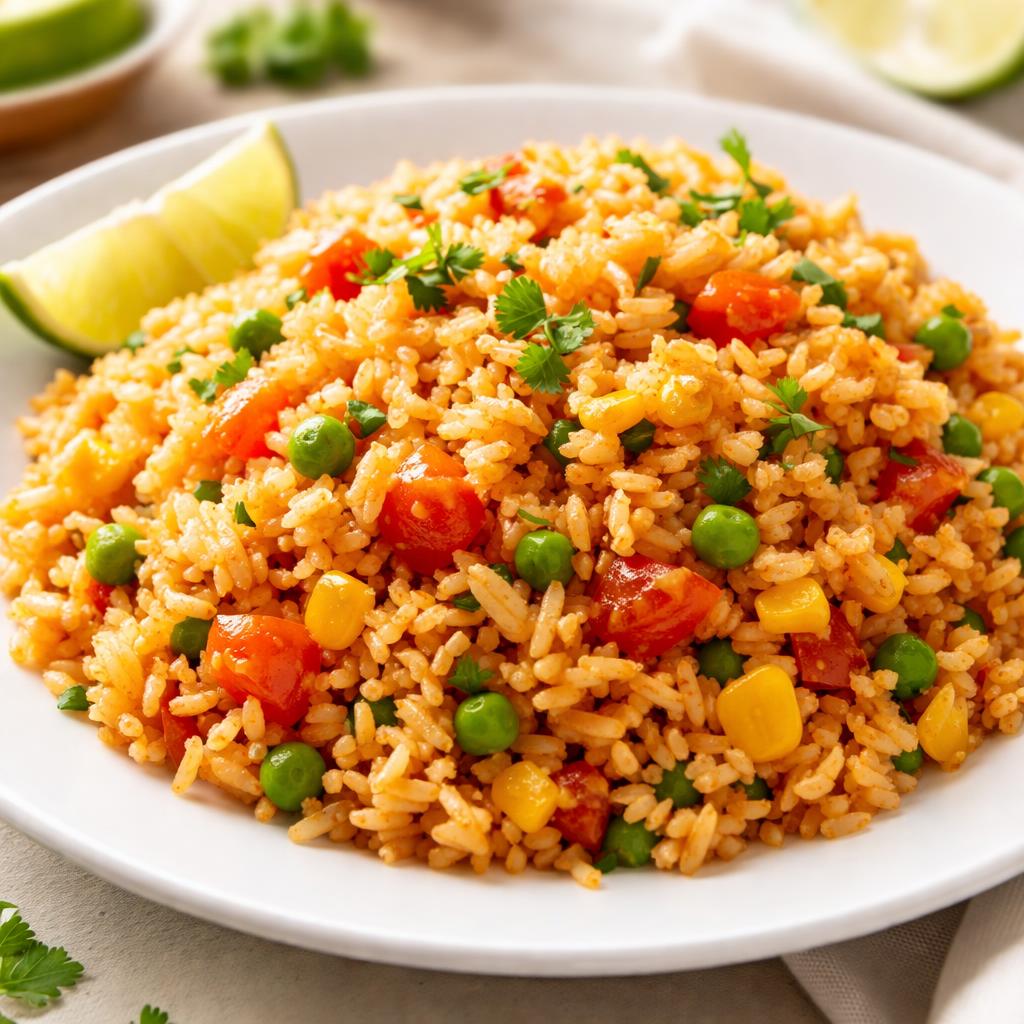
Mexican Rice
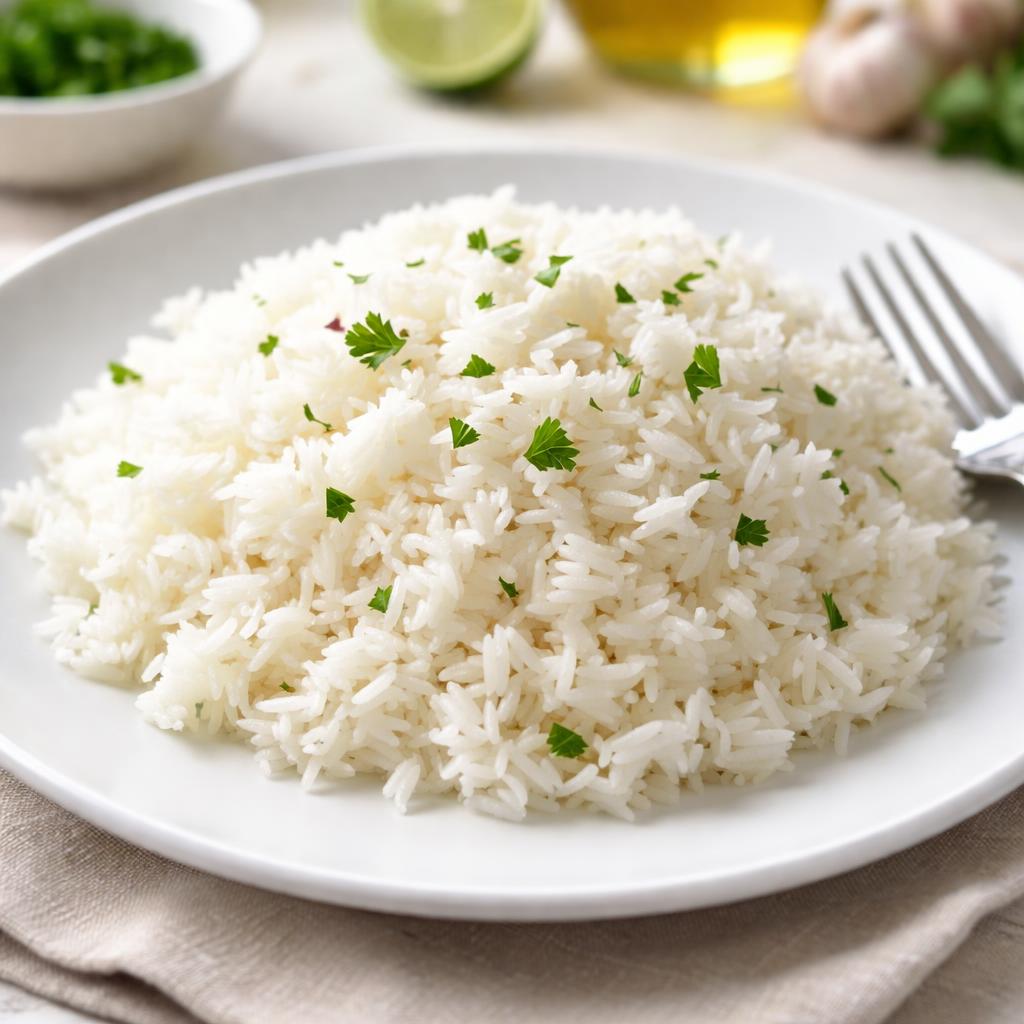
Jasmin Rice
🎯 Quick Verdict
Mexican rice is nutritionally denser, offering more protein and fiber per serving, making it ideal for balanced diets or weight management. Jasmine rice is more plain and versatile, better suited for dishes requiring a mild flavor or as a carb base for energy-focused diets.

Smart Nutrition Tracking with SnapCalorie

📊 Nutritional Comparison
Macronutrients
| Nutrient | Food 1 | Food 2 | Winner |
|---|---|---|---|
| Calories | 210 | 210 | − |
| Protein | 4g | 3g | ✓ |
| Carbs | 40g | 45g | ✓ |
| Fat | 6g | 0g | ✓ |
| Fiber | 2g | 0.5g | ✓ |
Vitamins & Minerals
| Nutrient | Food 1 | Food 2 | Winner |
|---|---|---|---|
| Vitamin C | 10mg | 0mg | ✓ |
| Iron | 1mg | 0.5mg | ✓ |
| Vitamin D | 0mcg | 0mcg | − |
🏆 Category Winners
Protein
Mexican rice has 33% more protein than jasmine rice.
Fiber
Mexican rice contains quadruple the fiber per serving compared to jasmine rice.
Calories
Both foods contain 210 calories per serving.
Vitamins
Mexican rice provides vitamin C and double the iron compared to jasmine rice.
🥗 Diet Compatibility
Keto
Food 1: Not Compatible
Food 2: Not Compatible
Both are high-carb foods and not suitable for keto diets.
Vegan
Food 1: Compatible
Food 2: Compatible
Neither contains animal products.
Gluten Free
Food 1: Compatible
Food 2: Compatible
Neither food contains gluten.
Paleo
Food 1: Not Compatible
Food 2: Not Compatible
Both are processed grains and not compliant with paleo principles.
Low Carb
Food 1: Not Compatible
Food 2: Not Compatible
Both are high in carbohydrates, exceeding low-carb thresholds.
💪 Health Benefits Comparison
Food 1 Benefits
- Higher protein content supports muscle repair and maintenance.
- Good source of fiber for digestive health and satiety.
- Contains vitamin C for immune support and iron for energy production.
Food 2 Benefits
- Lower fat content makes it suitable for low-fat diets.
- Provides quick-digesting energy for athletic performance or long days.
- Plain taste is ideal for sensitive stomachs or pairing with other foods.
✅ The Bottom Line
Mexican rice is a better choice if you're looking for additional protein, fiber, and vitamins in your meal and have flavorful recipes in mind. Jasmine rice is great for its simple, versatile nature and as a mild carbohydrate base for energy. Both have their place, depending on dietary needs and culinary preferences.
Choose Food 1 for: Balanced meals, weight management, immune support
Choose Food 2 for: Energy-focused diets, low-fat meals, versatile carb side


