Mexican Rice VS Cooked Oats
A detailed nutritional comparison
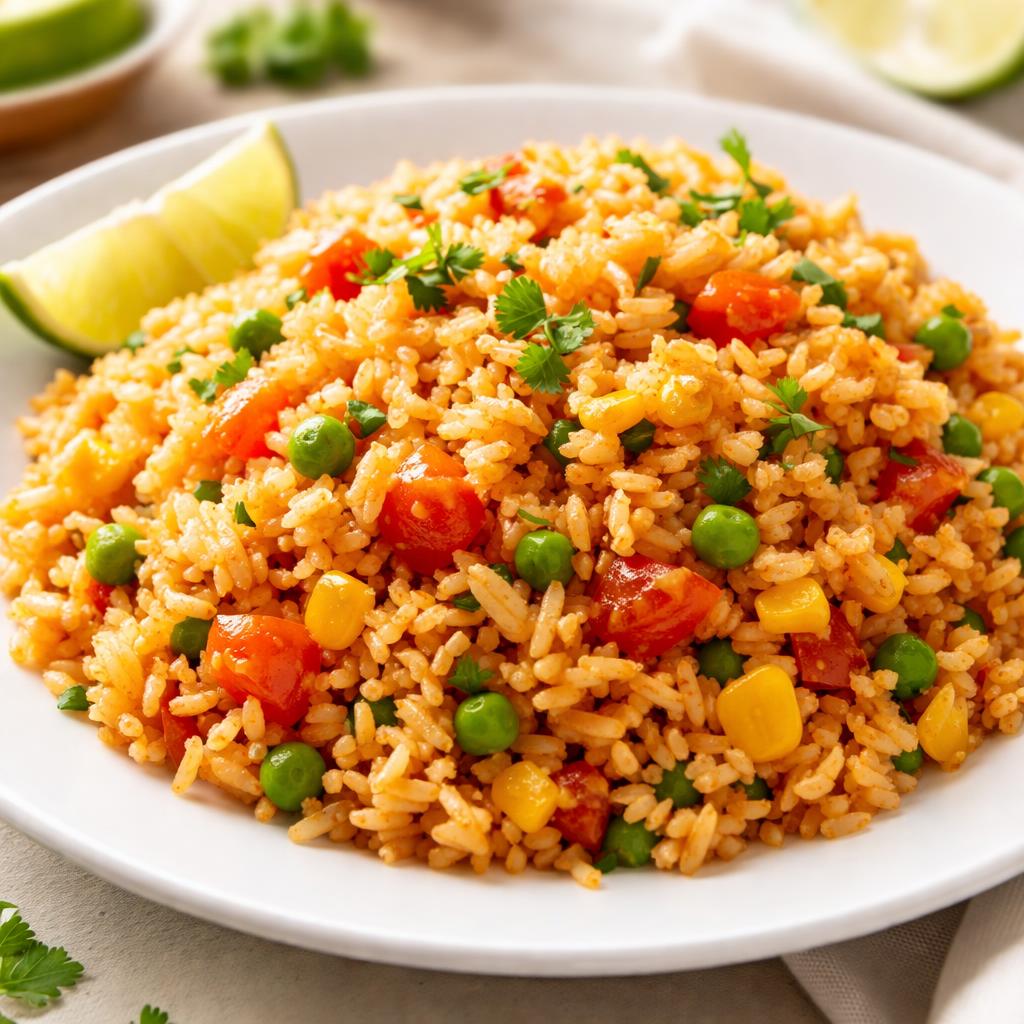
Mexican Rice
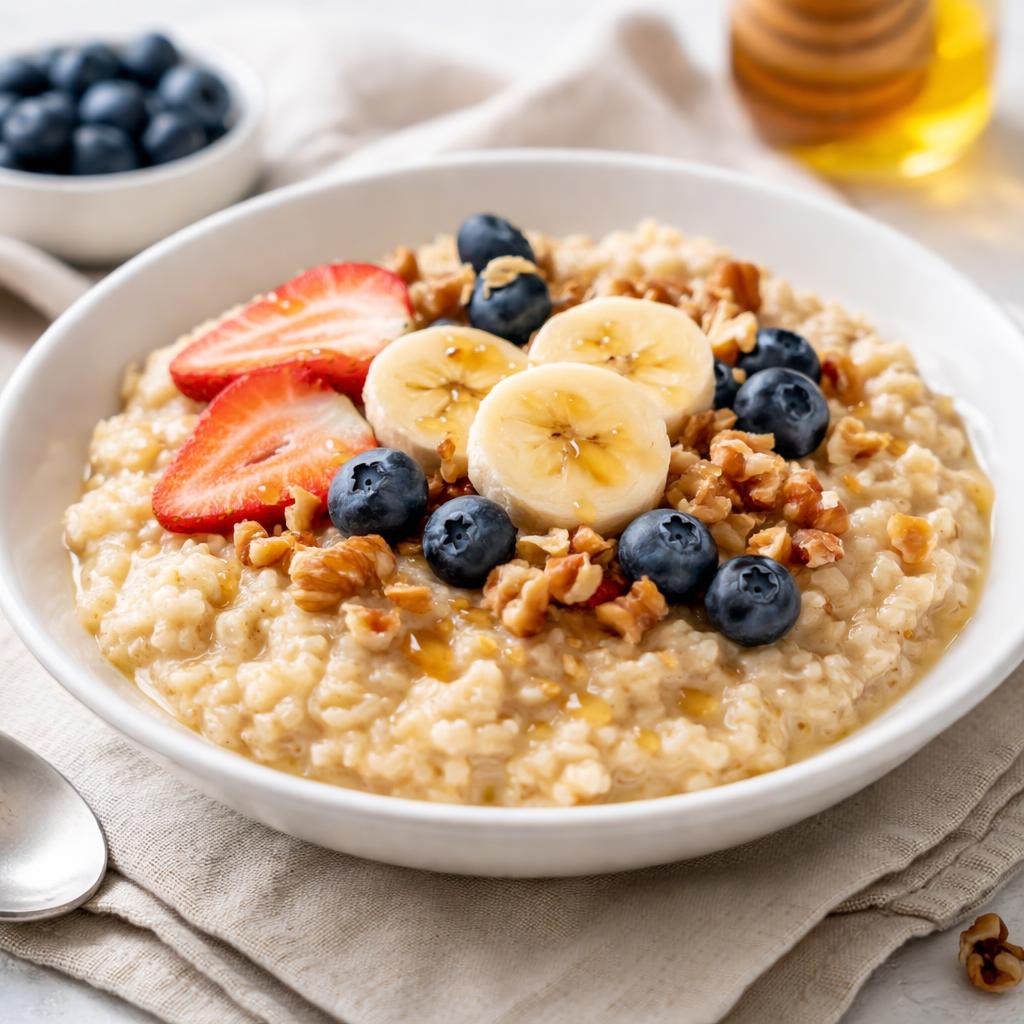
Cooked Oats
🎯 Quick Verdict
Cooked oats are lower in calories and higher in fiber compared to Mexican rice, making them better for weight control and digestion. Mexican rice offers slightly more protein and carbohydrates, making it suitable for energy needs or active lifestyles. Both are versatile, but their optimal uses depend on dietary goals and preferences.

Smart Nutrition Tracking with SnapCalorie

📊 Nutritional Comparison
Macronutrients
| Nutrient | Food 1 | Food 2 | Winner |
|---|---|---|---|
| Calories | 200 | 150 | ✓ |
| Protein | 4g | 3g | ✓ |
| Carbs | 41g | 27g | ✓ |
| Fat | 4g | 3g | ✓ |
| Fiber | 2g | 4g | ✓ |
Vitamins & Minerals
| Nutrient | Food 1 | Food 2 | Winner |
|---|---|---|---|
| Vitamin D | 0mcg | 0mcg | − |
| Calcium | 20mg | 20mg | − |
| Iron | 1.5mg | 1mg | ✓ |
🏆 Category Winners
Protein
Food1 (Mexican rice) has 33% more protein per serving compared to cooked oats.
Fiber
Food2 (cooked oats) provides double the fiber per serving, which supports better digestion.
Calories
Food2 contains 25% fewer calories per serving, ideal for lower-calorie diets.
Vitamins
Neither food is significantly rich in vitamins, but both contribute small amounts of calcium and iron.
🥗 Diet Compatibility
Keto
Food 1: Not Compatible
Food 2: Not Compatible
Both foods are relatively high in carbohydrates, disqualifying them for keto diets.
Vegan
Food 1: Compatible
Food 2: Compatible
Both foods are plant-based and suitable for vegan diets.
Gluten Free
Food 1: Compatible
Food 2: Compatible
Both foods are naturally gluten-free unless cross-contaminated or prepared with gluten-containing additives.
Paleo
Food 1: Not Compatible
Food 2: Not Compatible
Grains like rice and oats are excluded in strict paleo diets.
Low Carb
Food 1: Not Compatible
Food 2: Not Compatible
Both foods are high in carbohydrates and do not fit low-carb guidelines.
💪 Health Benefits Comparison
Food 1 Benefits
- Provides energy due to high carbohydrate content
- Good source of plant-based protein
- Contains iron for maintaining healthy oxygen levels in the blood
Food 2 Benefits
- High in fiber, promoting digestion and gut health
- Supports heart health due to whole-grain content
- Lower in calories and fat, aiding in weight management
✅ The Bottom Line
Mexican rice and cooked oats each have their strengths. Choose Mexican rice for energy needs and moderate protein intake. Opt for cooked oats for weight management and digestive health benefits. Both can be part of balanced meals depending on dietary goals.
Choose Food 1 for: Active lifestyles, energy boost, balanced meals
Choose Food 2 for: Weight control, digestive health, heart health


