Lettuce VS Turkey Burger
A detailed nutritional comparison
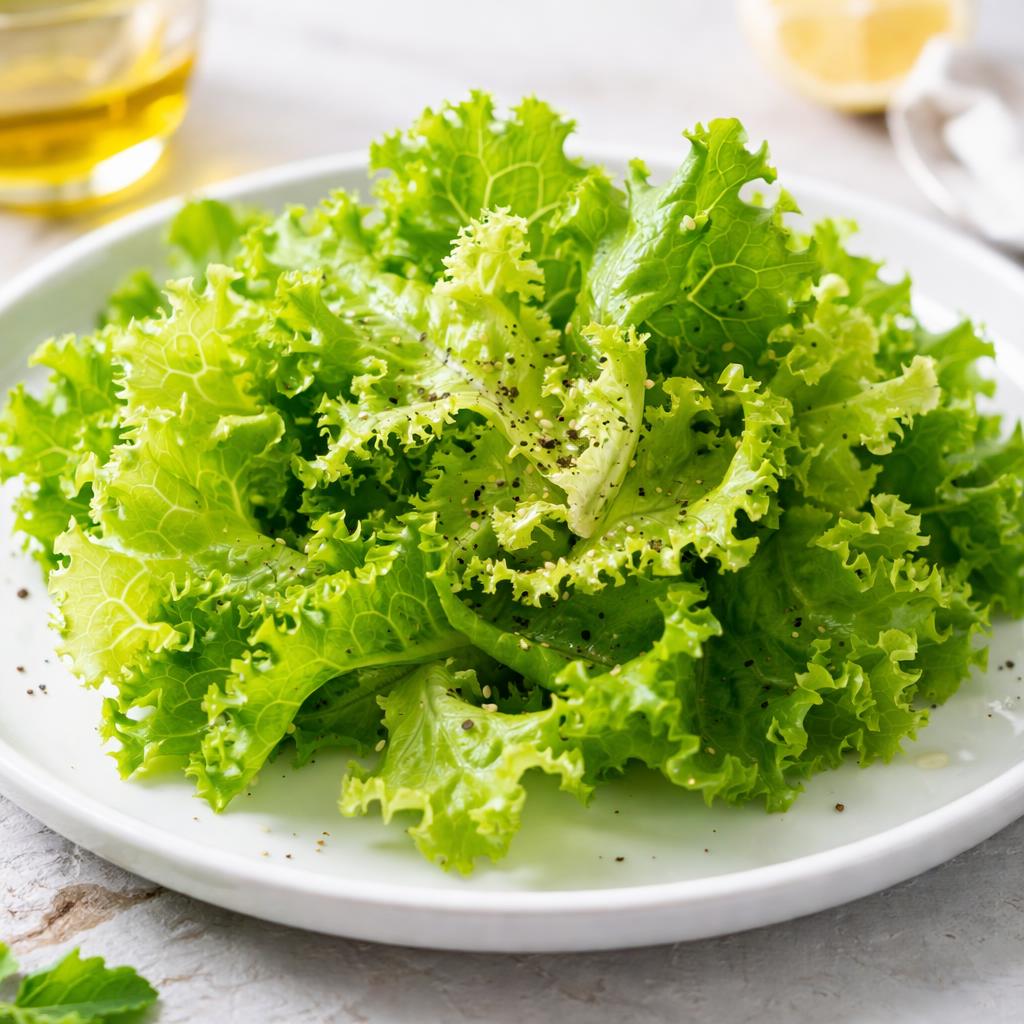
Lettuce
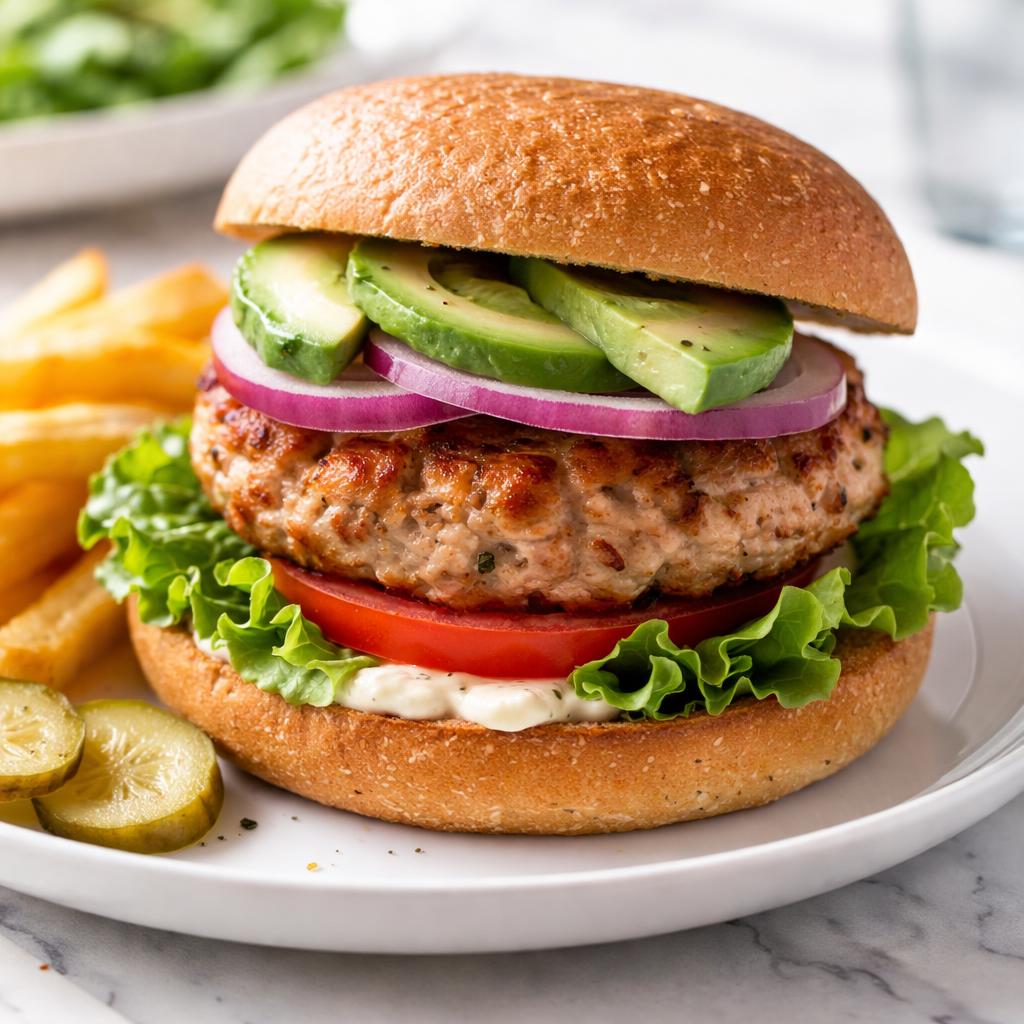
Turkey Burger
🎯 Quick Verdict
Lettuce is a low-calorie, high-fiber vegetable ideal for weight loss and hydration, while turkey burgers are packed with protein, making them excellent for muscle building. Lettuce has almost no fat or protein, whereas turkey provides healthy fats and iron but is higher in calories. Use lettuce as a base for light meals and turkey burgers for nutrient-dense protein-rich options.

Smart Nutrition Tracking with SnapCalorie

📊 Nutritional Comparison
Macronutrients
| Nutrient | Food 1 | Food 2 | Winner |
|---|---|---|---|
| Calories | 15 | 200 | ✓ |
| Protein | 1g | 22g | ✓ |
| Carbs | 3g | 0g | ✓ |
| Fat | 0g | 12g | ✓ |
| Fiber | 1.5g | 0g | ✓ |
Vitamins & Minerals
| Nutrient | Food 1 | Food 2 | Winner |
|---|---|---|---|
| Vitamin A | 740mcg | 0mcg | ✓ |
| Vitamin C | 6mg | 0mg | ✓ |
| Iron | 0.3mg | 2mg | ✓ |
| Calcium | 20mg | 10mg | ✓ |
🏆 Category Winners
Protein
Turkey burgers provide 22g of protein, far exceeding the 1g in lettuce.
Fiber
Lettuce offers 1.5g of fiber, whereas turkey burgers contain none.
Calories
Lettuce is extremely low in calories (15 per cup) compared to 200 calories in a turkey burger.
Vitamins
Lettuce is richer in Vitamin A, C, and Calcium compared to turkey burgers.
🥗 Diet Compatibility
Keto
Food 1: Compatible
Food 2: Compatible
Both are low in carbohydrates.
Vegan
Food 1: Compatible
Food 2: Not Compatible
Lettuce is plant-based, while turkey is an animal product.
Gluten Free
Food 1: Compatible
Food 2: Compatible
Neither contains gluten.
Paleo
Food 1: Compatible
Food 2: Compatible
Both can be consumed on a paleo diet.
Low-Carb
Food 1: Compatible
Food 2: Compatible
Both are very low-carb; lettuce has 3g per serving while turkey has 0g.
💪 Health Benefits Comparison
Food 1 Benefits
- Rich in water content for hydration
- Low-calorie option for weight management
- Packed with Vitamin A for eye health
- Provides dietary fiber for digestive health
Food 2 Benefits
- Excellent source of lean protein for muscle growth
- Contains iron for oxygen transport in the body
- Provides healthy fats for satiety and heart health
- Low in carbohydrates, making it ideal for keto and low-carb diets
✅ The Bottom Line
Choose lettuce for low-calorie meals, hydration, and digestive health. Opt for a turkey burger when you need a protein-packed, nutrient-dense food to fuel muscle growth or support energy needs. Both can fit well into most healthy diets depending on your goals.
Choose Food 1 for: Weight management, vegan diets, hydration
Choose Food 2 for: Muscle-building, high-protein diets, keto meals


