Lettuce VS Tomato Slices
A detailed nutritional comparison
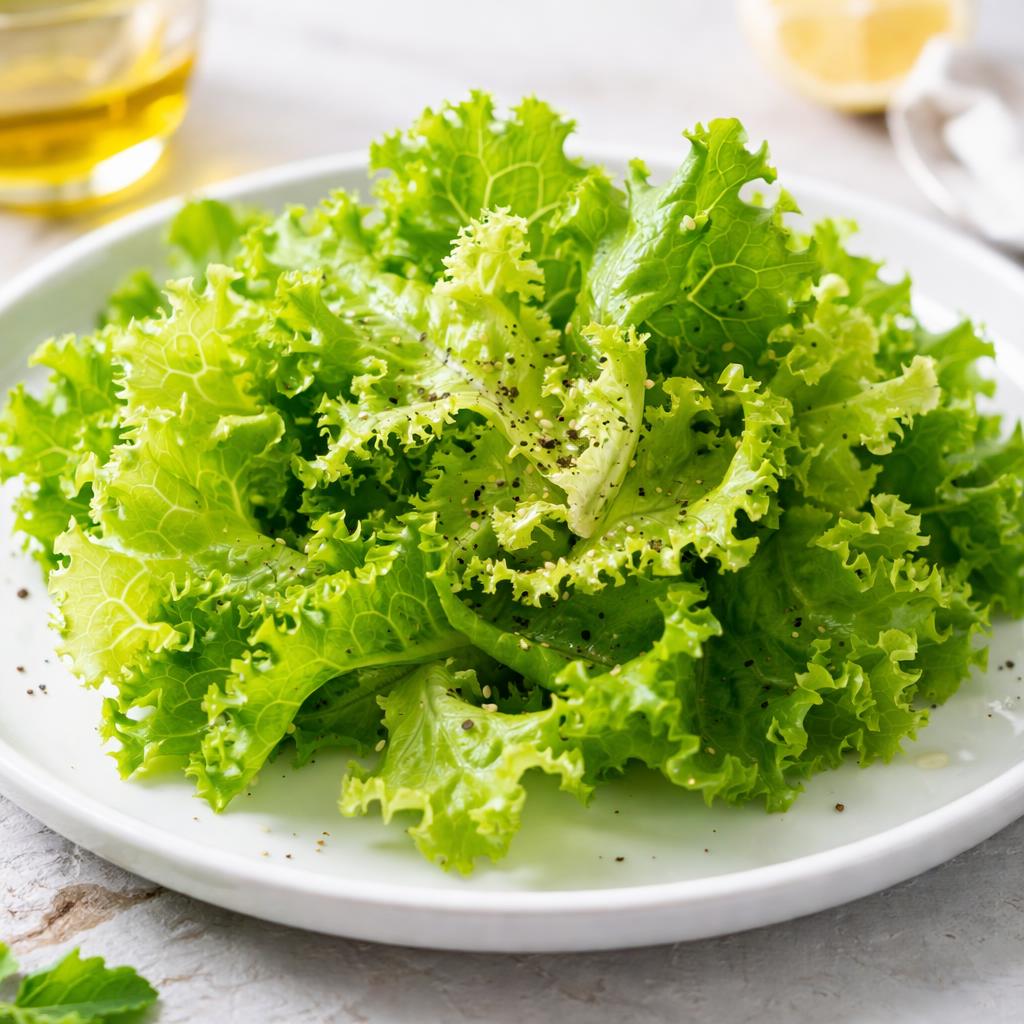
Lettuce
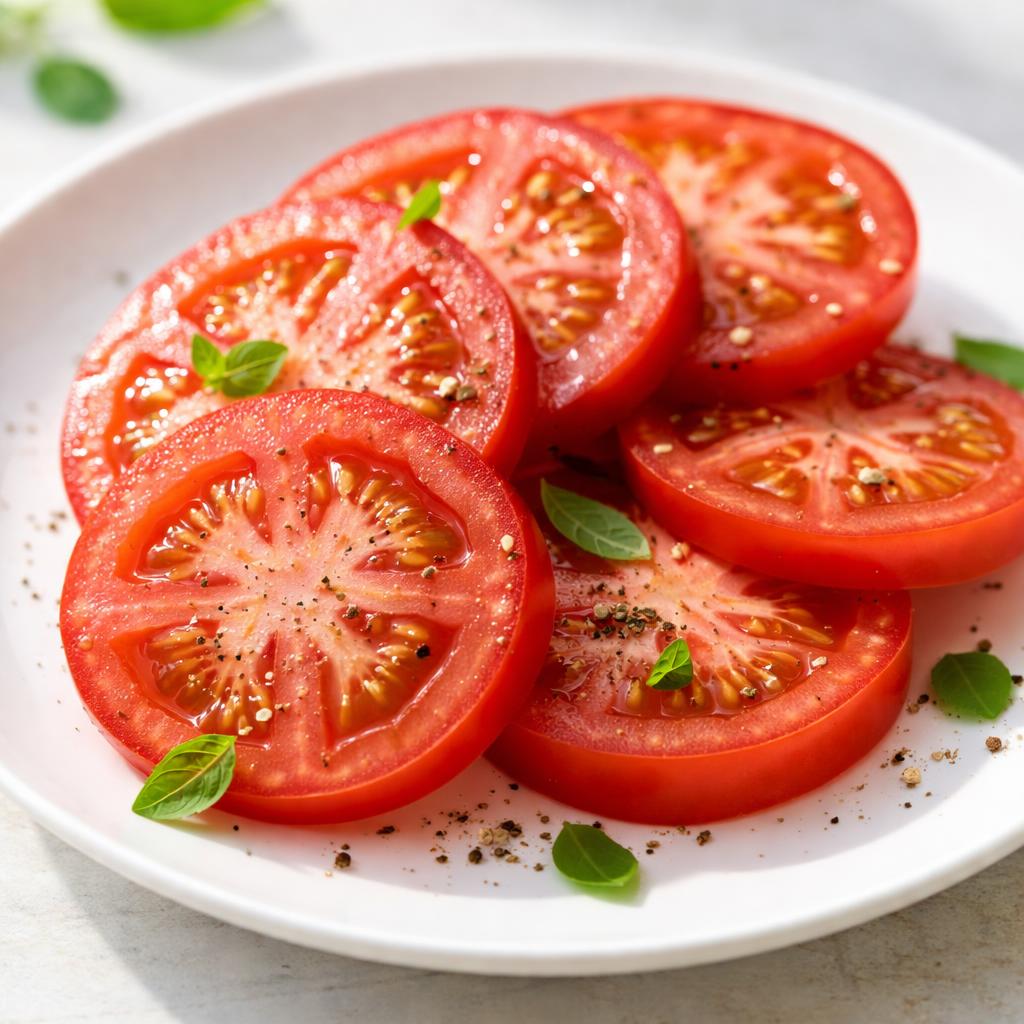
Tomato Slices
🎯 Quick Verdict
Tomato slices are generally more nutrient-dense compared to lettuce, offering higher fiber, vitamins, and antioxidants. Lettuce, however, is lower in calories and carbs, making it ideal for weight-loss and low-carb diets. Both are excellent options for plant-based and gluten-free diets, but tomatoes are better for added nutritional benefits while lettuce is great for light meals or snacks.

Smart Nutrition Tracking with SnapCalorie

📊 Nutritional Comparison
Macronutrients
| Nutrient | Food 1 | Food 2 | Winner |
|---|---|---|---|
| Calories | 15 | 18 | ✓ |
| Protein | 1g | 1g | − |
| Carbs | 2g | 4g | ✓ |
| Fat | 0g | 0g | − |
| Fiber | 0.8g | 1.2g | ✓ |
Vitamins & Minerals
| Nutrient | Food 1 | Food 2 | Winner |
|---|---|---|---|
| Vitamin A | 740 IU | 1025 IU | ✓ |
| Vitamin C | 1mg | 13mg | ✓ |
| Potassium | 120mg | 240mg | ✓ |
🏆 Category Winners
Protein
Both contain equal amounts of protein (1g per serving).
Fiber
Tomato slices provide 50% more fiber than lettuce.
Calories
Lettuce contains about 15% fewer calories than tomatoes per serving.
Vitamins
Tomatoes are significantly richer in Vitamin C, Vitamin A, and potassium compared to lettuce.
🥗 Diet Compatibility
Keto
Food 1: Compatible
Food 2: Compatible
Both are low in carbohydrates and calorie-friendly.
Vegan
Food 1: Compatible
Food 2: Compatible
Both are plant-based options.
Gluten Free
Food 1: Compatible
Food 2: Compatible
Neither contains gluten.
Paleo
Food 1: Compatible
Food 2: Compatible
Both align with paleo principles.
Low Carb
Food 1: More Suitable
Food 2: Suitable
Lettuce has fewer carbs (2g vs 4g per serving).
💪 Health Benefits Comparison
Food 1 Benefits
- Low in calories for weight management
- Provides hydration due to high water content
- Ideal base for low-carb meals
Food 2 Benefits
- Rich in Vitamin C to support immune health
- High in antioxidants like lycopene for heart health
- Contains potassium for proper muscle and nerve function
✅ The Bottom Line
If you're looking for something extremely low-calorie and carb-friendly, lettuce is your best choice. For a more nutrient-dense option filled with fiber, vitamins, and antioxidants, go with tomato slices. Both can complement healthy diets well, but tomatoes bring slightly more overall nutritional value.
Choose Food 1 for: Weight loss, hydrating snacks, low-carb base like salads or wraps
Choose Food 2 for: Boosting vitamin intake, heart health, and adding flavor and nutrients to meals


