Lettuce VS Sandwich Bread
A detailed nutritional comparison
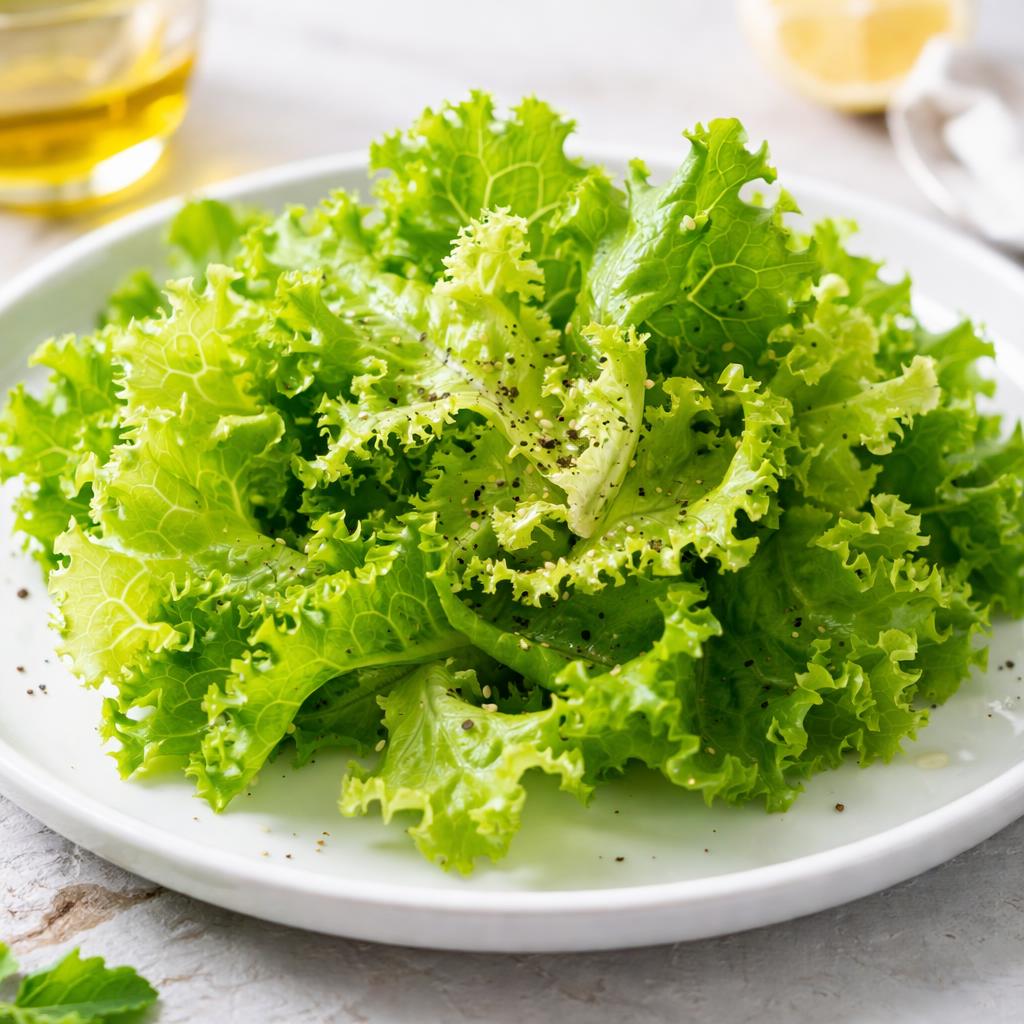
Lettuce
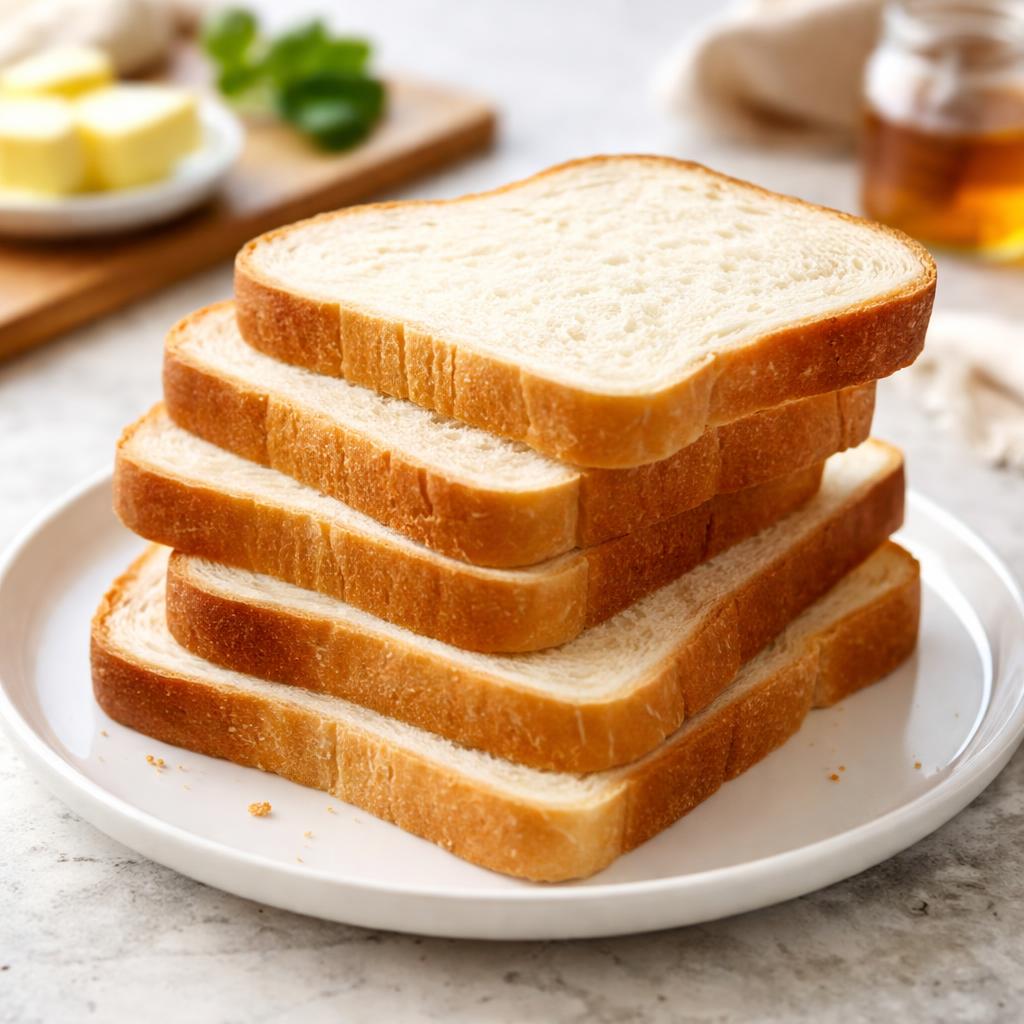
Sandwich Bread
🎯 Quick Verdict
Lettuce is a low-calorie, nutrient-light vegetable primarily used for adding bulk to meals without significantly increasing calories, while sandwich bread is higher in calories, protein, and fiber, making it a better choice for energy and satiety. Lettuce is ideal for weight management and hydration, while sandwich bread can support energy needs and balanced meals when paired with lean proteins and healthy fats.

Smart Nutrition Tracking with SnapCalorie

📊 Nutritional Comparison
Macronutrients
| Nutrient | Food 1 | Food 2 | Winner |
|---|---|---|---|
| Calories | 15 | 80 | − |
| Protein | 1g | 3g | − |
| Carbs | 3g | 15g | − |
| Fat | 0g | 1g | − |
| Fiber | 1g | 3g | − |
Vitamins & Minerals
| Nutrient | Food 1 | Food 2 | Winner |
|---|---|---|---|
| Vitamin D | 0mcg | 0mcg | − |
| Calcium | 18mg | 30mg | − |
| Iron | 0.5mg | 0.6mg | − |
🏆 Category Winners
Protein
Sandwich bread provides 3x the protein content compared to lettuce.
Fiber
Sandwich bread contains 3x more fiber, aiding digestion and satiety.
Calories
Lettuce is extremely low-calorie, at only 15 calories per serving compared to 80 in sandwich bread.
Vitamins
Sandwich bread edges out lettuce slightly with higher calcium and iron content.
🥗 Diet Compatibility
Keto
Food 1: Compatible
Food 2: Not Compatible
Lettuce is low-carb (3g) and fits keto diets, while sandwich bread is high in carbs (15g).
Vegan
Food 1: Compatible
Food 2: Compatible
Both lettuce and sandwich bread are plant-based, provided the bread contains no animal-derived ingredients.
Gluten Free
Food 1: Compatible
Food 2: Not Compatible
Lettuce is naturally gluten-free, whereas sandwich bread typically contains gluten unless specified as gluten-free.
Paleo
Food 1: Compatible
Food 2: Not Compatible
Lettuce fits paleo guidelines, while conventional sandwich bread does not due to its grains and processing.
Low-Carb
Food 1: Compatible
Food 2: Not Compatible
Lettuce is an excellent low-carb option, while sandwich bread is not suitable for low-carb diets.
💪 Health Benefits Comparison
Food 1 Benefits
- Extremely low in calories, supporting weight management
- Provides hydration due to high water content
- Contains small amounts of vitamins A and C for skin and immune health
Food 2 Benefits
- Rich in carbohydrates for sustained energy throughout the day
- Provides dietary fiber for digestive health
- Contains iron and calcium for bone and blood health
✅ The Bottom Line
Choose lettuce when aiming for very low-calorie intake, for hydration, or as a base for light meals. Opt for sandwich bread when energy, protein, and fiber are needed for a more filling and satisfying meal. Both foods can complement healthy eating goals, but the choice depends on dietary preferences and energy needs.
Choose Food 1 for: Weight loss, hydration, light meals
Choose Food 2 for: Energy replenishment, satiety, balanced meals


