Lettuce VS Pork
A detailed nutritional comparison
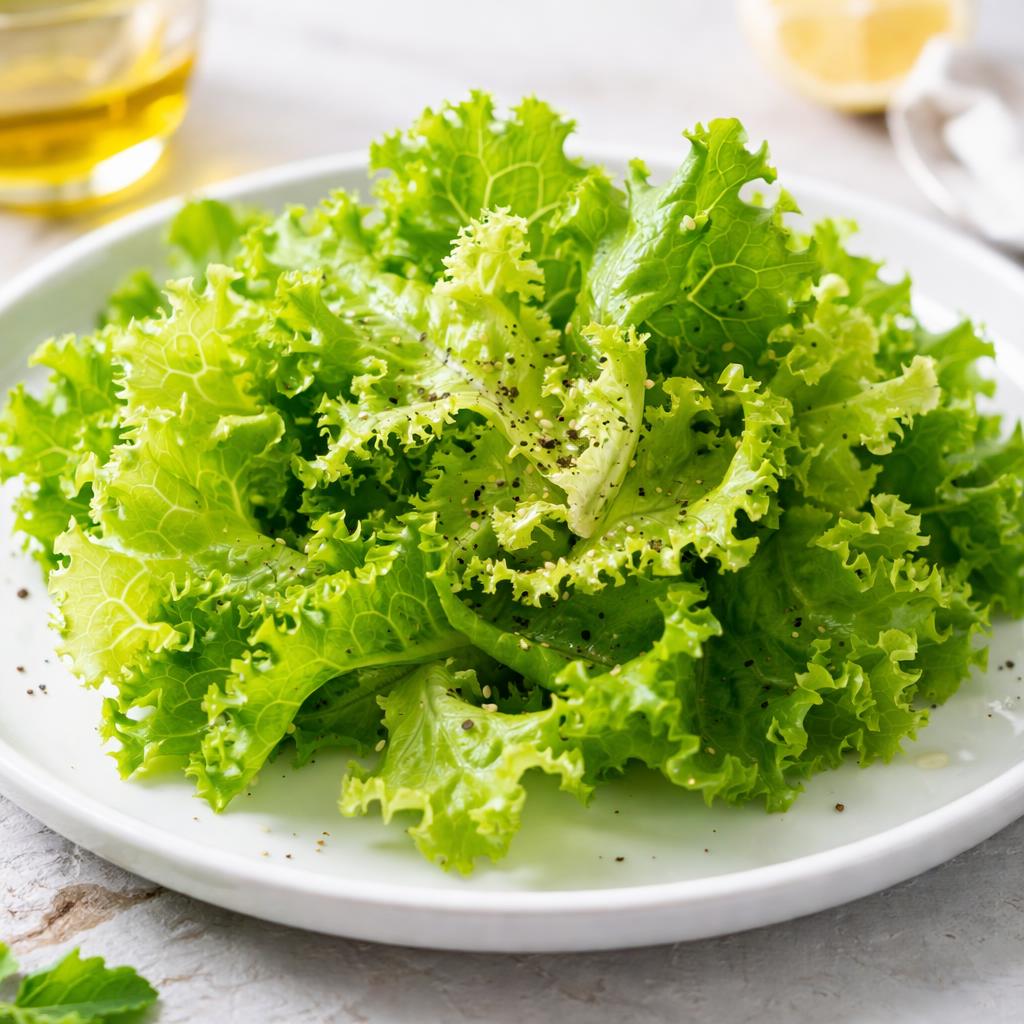
Lettuce
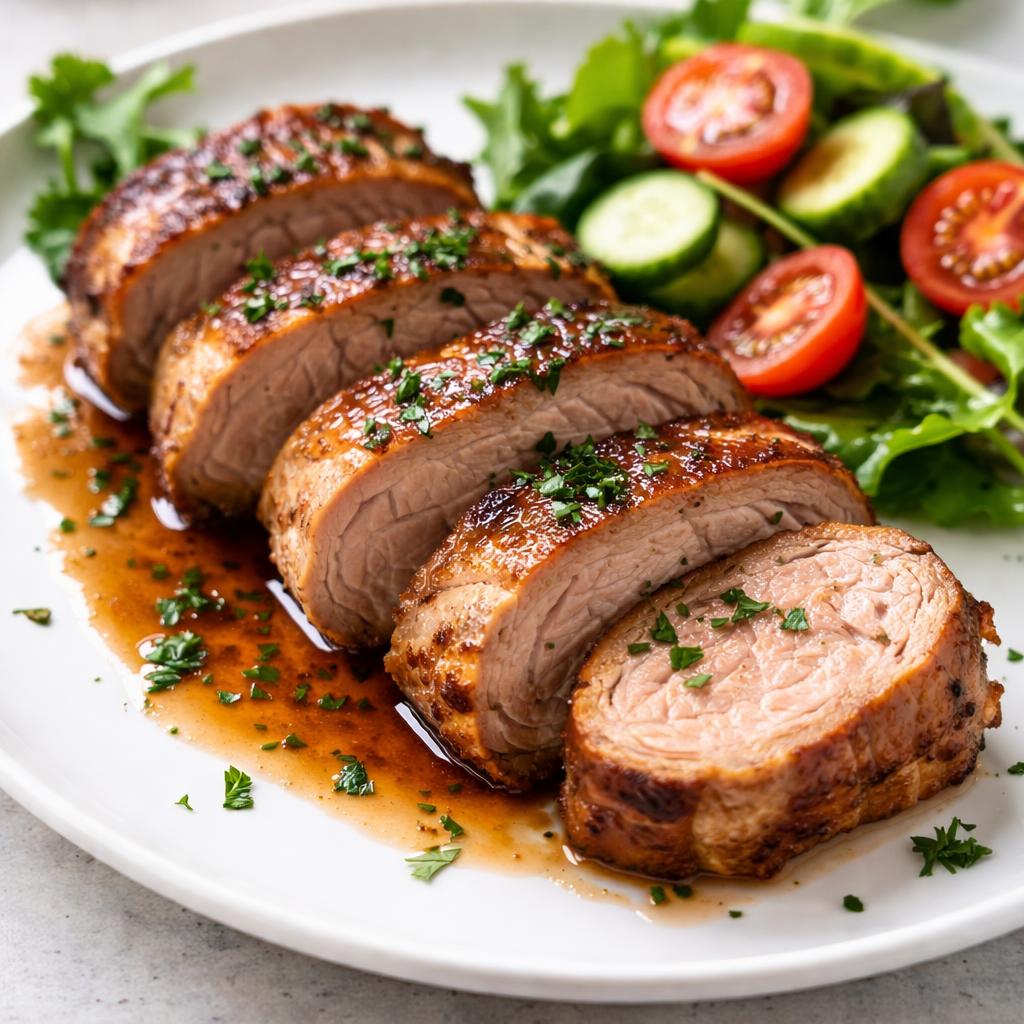
Pork
🎯 Quick Verdict
Lettuce and pork offer vastly different nutritional profiles. Lettuce is low in calories, high in fiber, and rich in certain vitamins like vitamin A and K, making it ideal for weight-loss diets. Pork, on the other hand, is protein-rich with significant levels of iron and vitamin B12, and it serves as an excellent energy and muscle-building food option. Choose lettuce for light, low-calorie meals and pork when prioritizing protein and iron intake.

Smart Nutrition Tracking with SnapCalorie

📊 Nutritional Comparison
Macronutrients
| Nutrient | Food 1 | Food 2 | Winner |
|---|---|---|---|
| Calories | 15 | 242 | ✓ |
| Protein | 1g | 22g | ✓ |
| Carbs | 2g | 0g | ✓ |
| Fat | 0g | 14g | ✓ |
| Fiber | 1g | 0g | ✓ |
Vitamins & Minerals
| Nutrient | Food 1 | Food 2 | Winner |
|---|---|---|---|
| Vitamin A | 740 IU | 0 IU | ✓ |
| Vitamin K | 60 mcg | 0 mcg | ✓ |
| Vitamin B12 | 0 mcg | 0.6 mcg | ✓ |
| Iron | 0.3mg | 0.8mg | ✓ |
🏆 Category Winners
Protein
Pork contains 22g of protein per serving compared to lettuce's minimal 1g.
Fiber
Lettuce provides 1g of dietary fiber, while pork has none.
Calories
Lettuce has only 15 calories per serving while pork has 242 calories.
🥗 Diet Compatibility
Keto
Food 1: Compatible
Food 2: Compatible
Both foods are low in carbs.
Vegan
Food 1: Compatible
Food 2: Not Compatible
Lettuce is plant-based, while pork is an animal product.
Gluten Free
Food 1: Compatible
Food 2: Compatible
Neither food naturally contains gluten.
Paleo
Food 1: Compatible
Food 2: Compatible
Both foods align with paleo diet principles.
Low-Carb
Food 1: Compatible
Food 2: Compatible
Both are low in carbohydrates, with pork containing zero carbs.
💪 Health Benefits Comparison
Food 1 Benefits
- Low in calories, ideal for weight management
- Rich in vitamin A to support eye health
- Good source of vitamin K for bone and blood health
- Provides dietary fiber to aid digestion
Food 2 Benefits
- High in protein for muscle growth and repair
- Contains iron to support oxygen transport in the blood
- Provides vitamin B12 for energy and neurological function
- Source of healthy fats for sustained energy and satiety
✅ The Bottom Line
Choose lettuce for low-calorie, fiber-rich meals or when crafting vegan and plant-based dishes. Pick pork for muscle growth, energy needs, and iron intake, especially for active individuals or those with B12 deficiency. Both have specific use cases based on dietary goals.
Choose Food 1 for: Weight loss, vegan diets, lighter meals
Choose Food 2 for: Muscle building, higher energy needs, iron-deficient individuals


