Lettuce VS Lemon
A detailed nutritional comparison
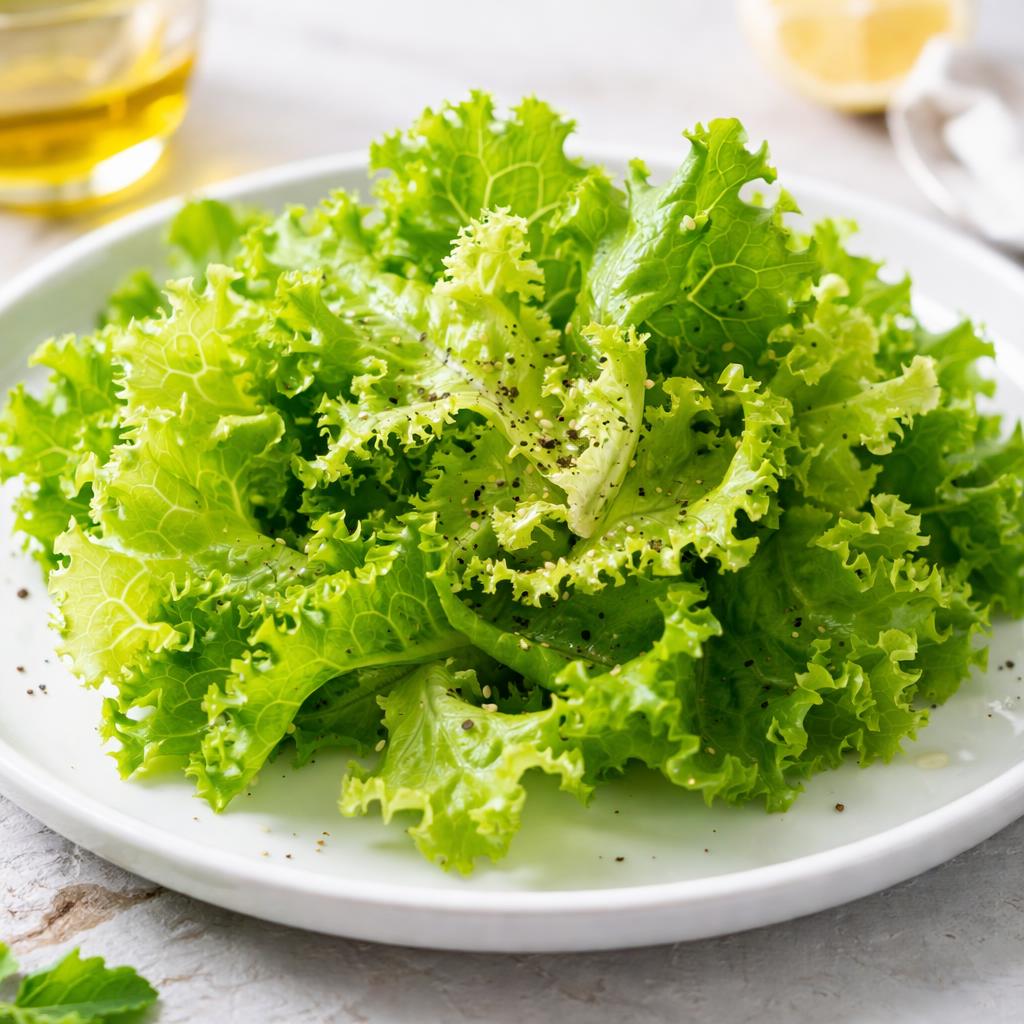
Lettuce
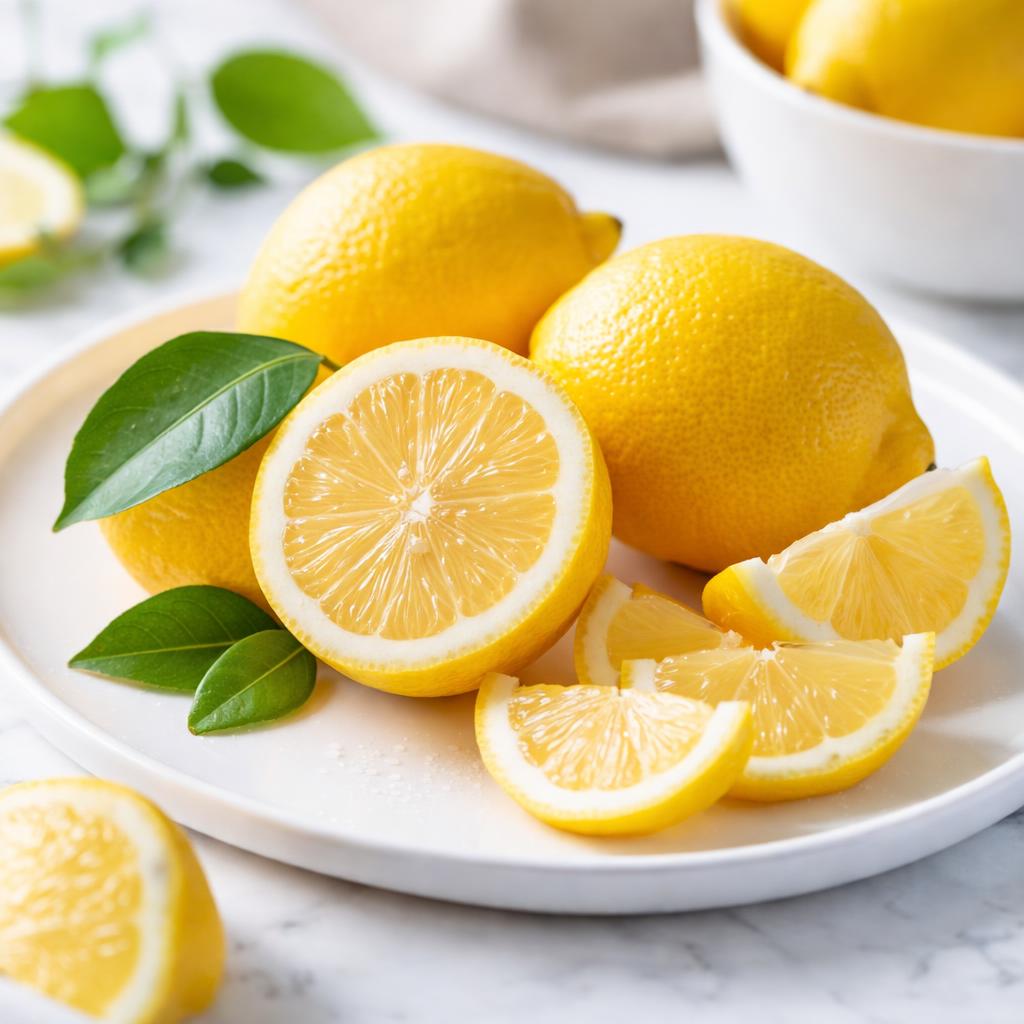
Lemon
🎯 Quick Verdict
Lettuce is a very low-calorie, nutrient-light vegetable primarily used for bulk in salads and meals. Lemon is a higher-calorie citrus fruit with more protein, fiber, and vitamin content, ideal for adding a tangy flavor and boosting nutrient intake. They serve distinct dietary purposes depending on health goals and flavor preferences.

Smart Nutrition Tracking with SnapCalorie

📊 Nutritional Comparison
Macronutrients
| Nutrient | Food 1 | Food 2 | Winner |
|---|---|---|---|
| Calories | 8 | 30 | ✓ |
| Protein | 0.5g | 1.1g | ✓ |
| Carbs | 1.5g | 9.3g | ✓ |
| Fat | 0.1g | 0g | ✓ |
| Fiber | 0.5g | 2.8g | ✓ |
Vitamins & Minerals
| Nutrient | Food 1 | Food 2 | Winner |
|---|---|---|---|
| Vitamin C | 1mg | 53mg | ✓ |
| Vitamin A | 740 IU | 22 IU | ✓ |
| Calcium | 18mg | 26mg | ✓ |
| Iron | 0.3mg | 0.6mg | ✓ |
🏆 Category Winners
Protein
Lemon contains over double the protein content of lettuce per serving.
Fiber
Lemon provides significantly more dietary fiber, aiding digestion.
Calories
Lettuce is extremely low in calories compared to lemon.
Vitamins
Lemon offers much higher Vitamin C and calcium levels, which are essential for immune function and bone health.
🥗 Diet Compatibility
Keto
Food 1: Compatible
Food 2: Compatible
Both foods are low in carbs and suitable for keto diets.
Vegan
Food 1: Compatible
Food 2: Compatible
Both lettuce and lemon are plant-based.
Gluten Free
Food 1: Compatible
Food 2: Compatible
Neither contains gluten.
Paleo
Food 1: Compatible
Food 2: Compatible
Both are whole, unprocessed foods that fit well into paleo diets.
Low-Carb
Food 1: More Compatible
Food 2: Less Compatible
Lettuce contains significantly fewer carbs per serving compared to lemon.
💪 Health Benefits Comparison
Food 1 Benefits
- Extremely low-calorie vegetable for weight management
- Rich in Vitamin A for eye health and immune support
- Provides hydration due to high water content
Food 2 Benefits
- High Vitamin C content for boosting immunity and skin health
- Rich in dietary fiber for improved digestion and gut health
- Contains antioxidants that combat oxidative stress
✅ The Bottom Line
Choose lettuce for weight loss, bulk in meals, or hydration with minimal calories. Opt for lemon for flavor enhancements, vitamin C boosts, and overall improved nutrient density. Each has unique uses in healthy diets.
Choose Food 1 for: Weight management, salads, hydrating meals
Choose Food 2 for: Immune support, skin health, digestion


