Lettuce VS Green Peppers
A detailed nutritional comparison
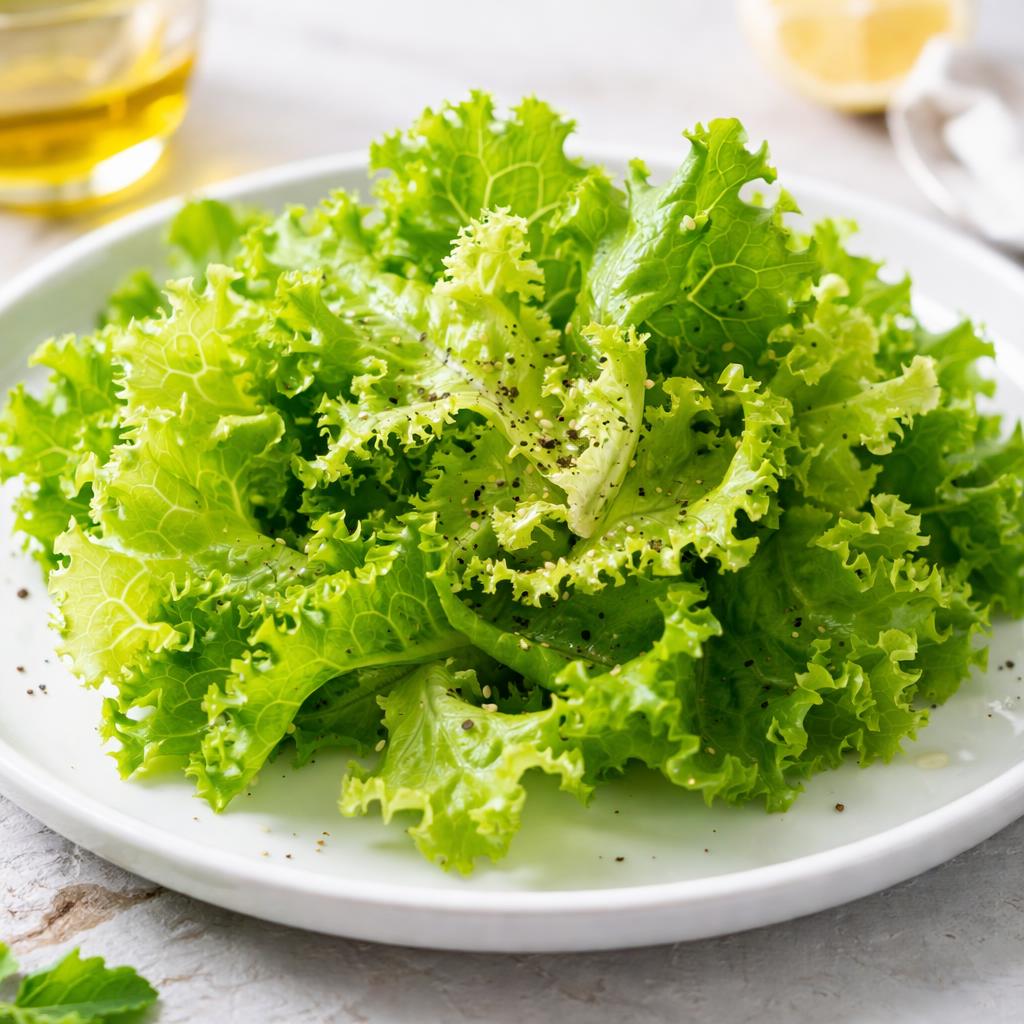
Lettuce
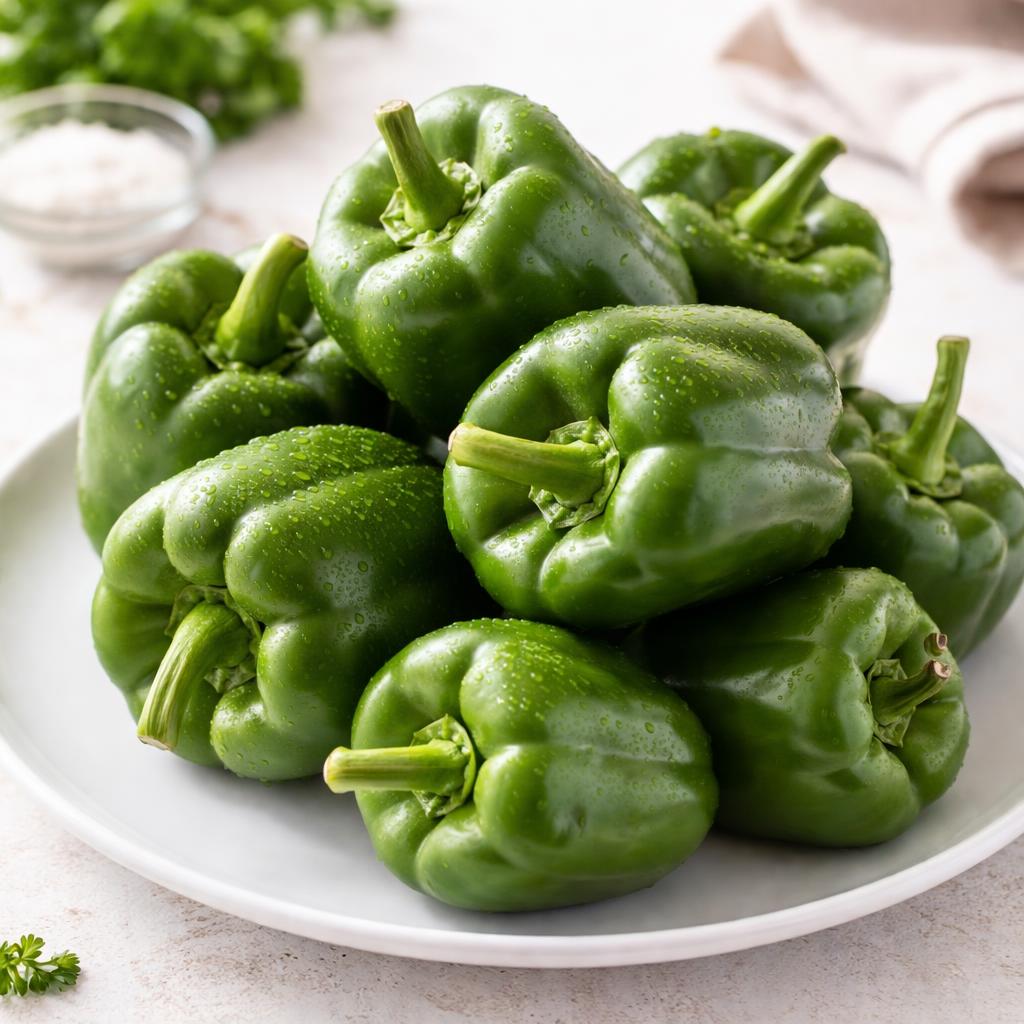
Green Peppers
🎯 Quick Verdict
Green peppers provide more protein, fiber, and key vitamins like Vitamin C and Vitamin A, while lettuce is lower in calories and offers hydration due to its higher water content. Lettuce is ideal for low-calorie diets, whereas green peppers are better for nutrient density and balanced meals.

Smart Nutrition Tracking with SnapCalorie

📊 Nutritional Comparison
Macronutrients
| Nutrient | Food 1 | Food 2 | Winner |
|---|---|---|---|
| Calories | 15 | 40 | ✓ |
| Protein | 1g | 2g | ✓ |
| Carbs | 2.9g | 9g | ✓ |
| Fat | 0.2g | 0.3g | − |
| Fiber | 1g | 3g | ✓ |
Vitamins & Minerals
| Nutrient | Food 1 | Food 2 | Winner |
|---|---|---|---|
| Vitamin C | 6mg | 80mg | ✓ |
| Vitamin A | 740IU | 3700IU | ✓ |
| Calcium | 18mg | 6mg | ✓ |
| Iron | 0.3mg | 0.4mg | ✓ |
🏆 Category Winners
Protein
Green peppers contain twice the protein of lettuce.
Fiber
Green peppers have three times as much fiber compared to lettuce.
Calories
Lettuce is significantly lower in calories, ideal for weight management.
Vitamins
Green peppers dominate in essential vitamins like Vitamin C and Vitamin A.
🥗 Diet Compatibility
Keto
Food 1: Compatible
Food 2: Partially Compatible
Both are low in carbs, but green peppers have higher carb content.
Vegan
Food 1: Compatible
Food 2: Compatible
Both are plant-based and fit vegan diets.
Gluten Free
Food 1: Compatible
Food 2: Compatible
Neither food contains any gluten.
Paleo
Food 1: Compatible
Food 2: Compatible
Both align with the whole-food principles of paleo diets.
Low Carb
Food 1: Compatible
Food 2: Partially Compatible
Lettuce is exceptionally low-carb, while green peppers have moderate carbs.
💪 Health Benefits Comparison
Food 1 Benefits
- Low calories for weight loss
- Hydration benefits due to high water content
- Contains small amounts of calcium and iron
Food 2 Benefits
- Rich in Vitamin C supports immunity
- High Vitamin A promotes eye health
- Good source of dietary fiber for digestion
✅ The Bottom Line
Choose lettuce when aiming for very low calories and hydration, especially for weight-loss-focused meals. Opt for green peppers for nutrient density, fiber, and vitamins, making them great in balanced, colorful meals.
Choose Food 1 for: Low-calorie diets, hydration, light salads
Choose Food 2 for: Balanced meals, nutrient-dense recipes, immunity and digestion support


