Lettuce VS Dressing
A detailed nutritional comparison
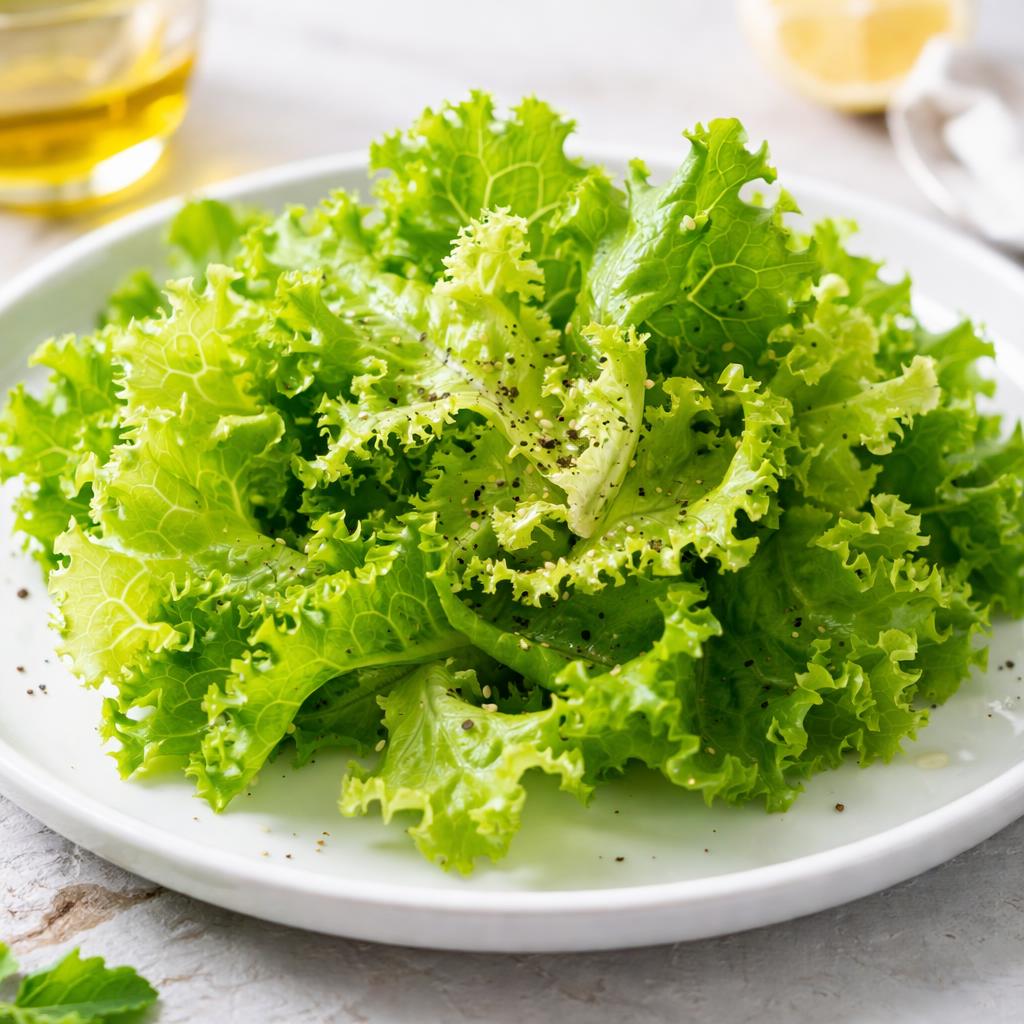
Lettuce
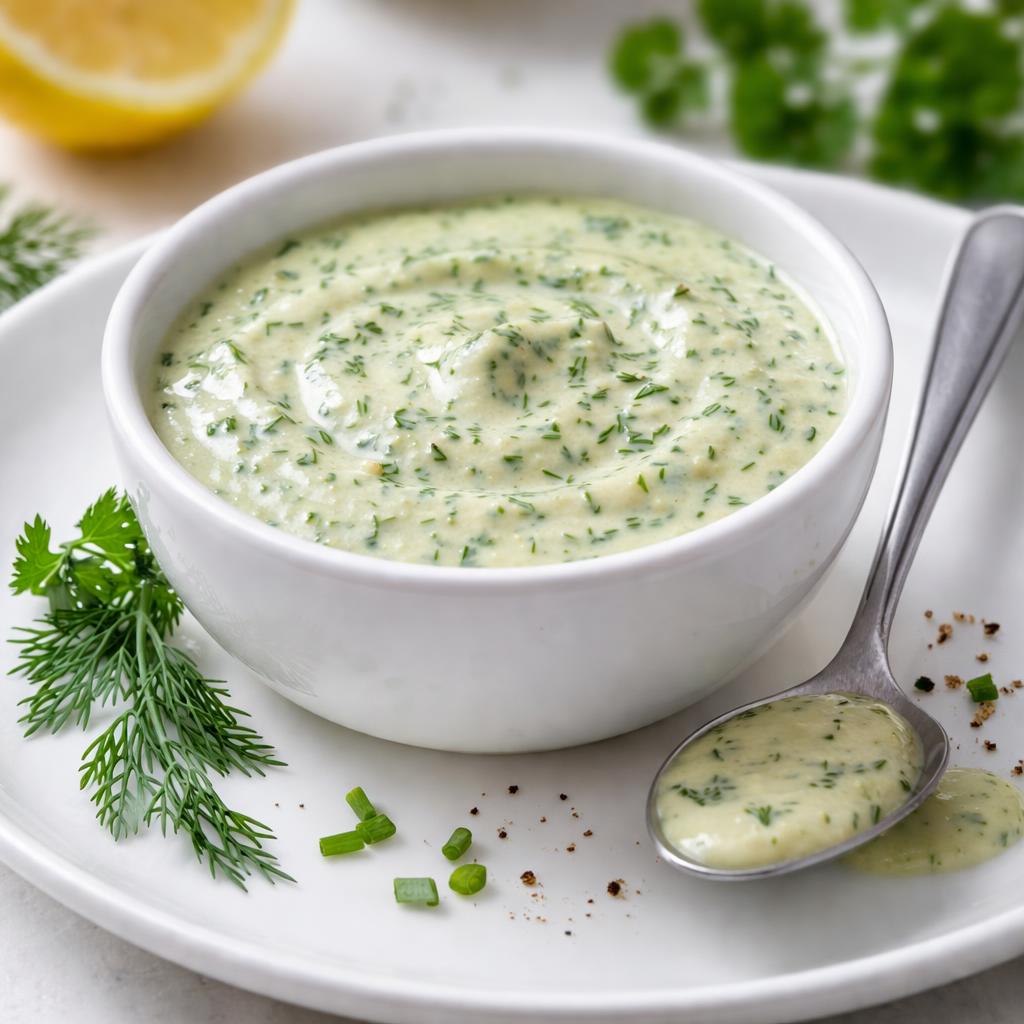
Dressing
🎯 Quick Verdict
Lettuce is a low-calorie, nutrient-light vegetable that is ideal for weight loss, providing small amounts of fiber and vitamins such as A and K. Dressing, while higher in calories and fats, offers flavor and a source of healthy fats (depending on the type) that improves satiety and helps with nutrient absorption. Pairing lettuce with dressing balances nutritional value and taste for versatile meal preparations.

Smart Nutrition Tracking with SnapCalorie

📊 Nutritional Comparison
Macronutrients
| Nutrient | Food 1 | Food 2 | Winner |
|---|---|---|---|
| Calories | 15 | 120 | ✓ |
| Protein | 1g | 0g | ✓ |
| Carbs | 3g | 2g | ✓ |
| Fat | 0g | 11g | ✓ |
| Fiber | 1g | 0g | ✓ |
Vitamins & Minerals
| Nutrient | Food 1 | Food 2 | Winner |
|---|---|---|---|
| Vitamin A | 148mcg | 10mcg | ✓ |
| Vitamin K | 60mcg | 5mcg | ✓ |
| Vitamin C | 3mg | 0mg | ✓ |
| Calcium | 15mg | 2mg | ✓ |
| Iron | 0.3mg | 0mg | ✓ |
🏆 Category Winners
Protein
Lettuce provides a small amount of protein, while dressing typically contains none.
Fiber
Lettuce contains 1g of fiber per serving compared to none in most dressings.
Calories
Lettuce is extremely low in calories (15 per serving), whereas dressing is calorie-dense (120 per serving).
Vitamins
Lettuce is richer in key vitamins like A, K, and C compared to dressing, which has negligible amounts.
🥗 Diet Compatibility
Keto
Food 1: Compatible
Food 2: Compatible
Both foods align with keto principles, despite dressing being higher in fat.
Vegan
Food 1: Compatible
Food 2: Depends
Lettuce is vegan, but dressing depends on ingredients (some use dairy or egg-based components).
Gluten Free
Food 1: Compatible
Food 2: Depends
Lettuce is gluten-free, but dressing may contain gluten-containing additives like malt vinegar.
Paleo
Food 1: Compatible
Food 2: Depends
Lettuce is paleo-friendly, but some dressings may include non-paleo ingredients like refined oils or sugars.
Low Carb
Food 1: Compatible
Food 2: Compatible
Both foods are low in carbohydrates, making them suitable for low-carb diets.
💪 Health Benefits Comparison
Food 1 Benefits
- Low in calories, supporting weight loss goals
- Contains Vitamin A for eye health
- Provides Vitamin K for bone and blood health
- Source of small amounts of dietary fiber for digestion
Food 2 Benefits
- Adds healthy fats when made with oils like olive or avocado oil
- Enhances flavor for better food enjoyment and satiety
- Helps in the absorption of fat-soluble vitamins in salads
- Can supply beneficial antioxidants depending on ingredients
✅ The Bottom Line
Choose lettuce for low-calorie, nutrient-focused meals, ideal for weight loss and general health. Use dressing to enhance taste and add healthy fats when balanced properly, but watch portion sizes due to calorie density.
Choose Food 1 for: Weight loss, nutrient-focused diets, low-calorie salads
Choose Food 2 for: Flavor enhancement, nutrient absorption, adding healthy fats


