Lettuce VS Cooked Spinach
A detailed nutritional comparison
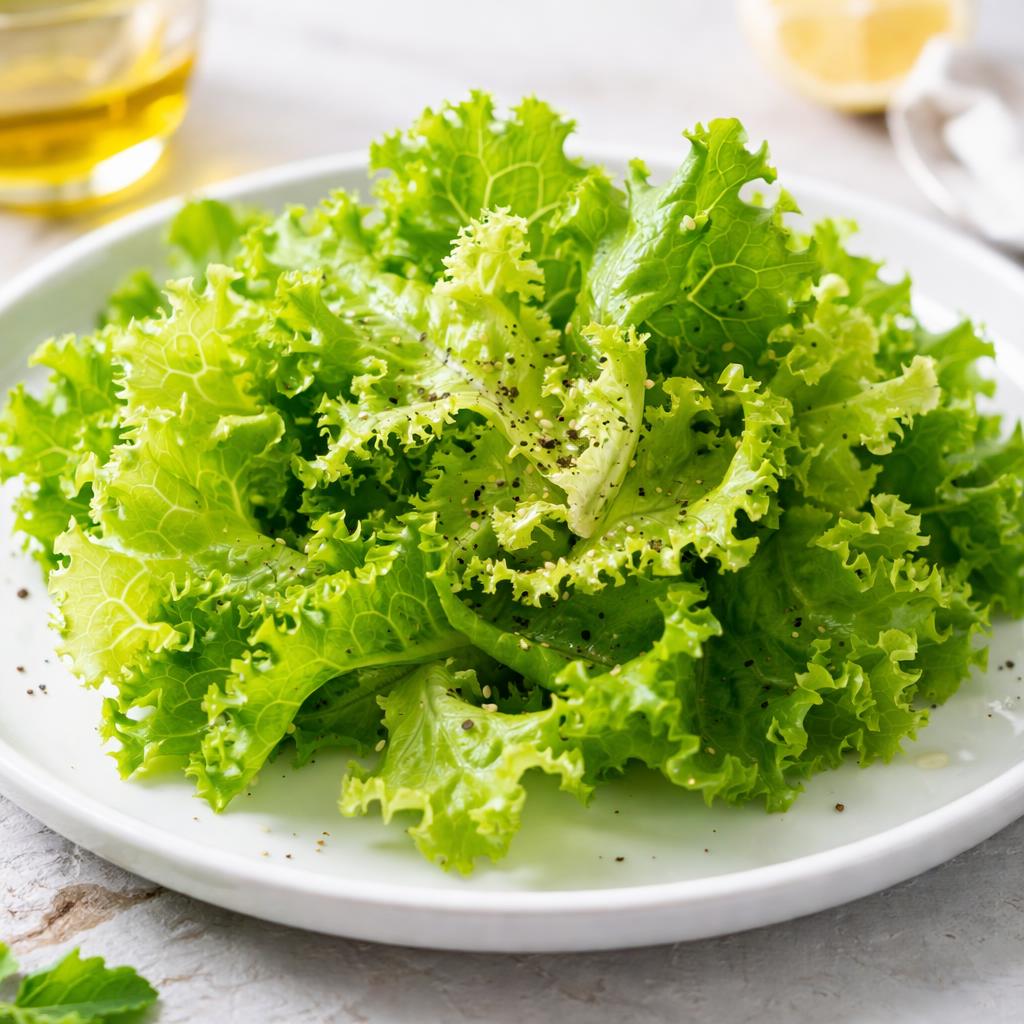
Lettuce
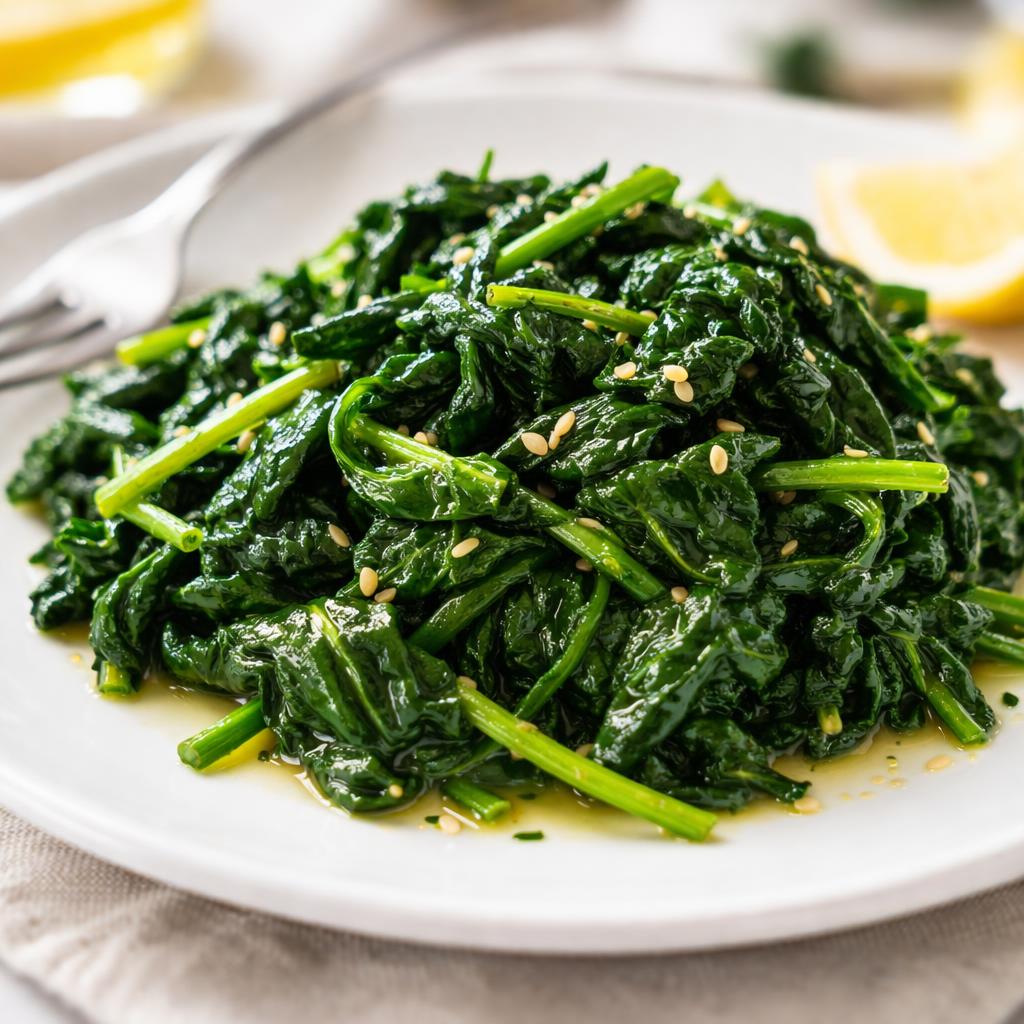
Cooked Spinach
🎯 Quick Verdict
Cooked spinach offers significantly more protein, fiber, and important vitamins like iron and calcium, making it a nutrient-dense choice. Lettuce is lower in calories and provides hydration, making it a great base for low-calorie meals. Choose spinach for nutrient profiles and lettuce for calorie-conscious dishes.

Smart Nutrition Tracking with SnapCalorie

📊 Nutritional Comparison
Macronutrients
| Nutrient | Food 1 | Food 2 | Winner |
|---|---|---|---|
| Calories | 15 | 23 | − |
| Protein | 1g | 3g | − |
| Carbs | 2g | 3.5g | − |
| Fat | 0g | 0.4g | − |
| Fiber | 0.5g | 2.5g | − |
Vitamins & Minerals
| Nutrient | Food 1 | Food 2 | Winner |
|---|---|---|---|
| Vitamin A | 740 IU | 9,377 IU | − |
| Vitamin C | 4mg | 8.4mg | − |
| Iron | 0.3mg | 3.6mg | − |
| Calcium | 13mg | 99mg | − |
🏆 Category Winners
Protein
Cooked spinach contains three times more protein per serving compared to lettuce.
Fiber
Spinach has five times more fiber than lettuce.
Calories
Both lettuce and cooked spinach are low-calorie foods with only slight differences (15 vs 23 calories/serving).
🥗 Diet Compatibility
Keto
Food 1: Compatible
Food 2: Compatible
Both are low in carbohydrates and suitable for keto diets.
Vegan
Food 1: Compatible
Food 2: Compatible
Both are plant-based foods.
Gluten Free
Food 1: Compatible
Food 2: Compatible
Neither contain gluten.
Paleo
Food 1: Compatible
Food 2: Compatible
Both are compliant with paleo dietary frameworks.
Low-Carb
Food 1: Compatible
Food 2: Compatible
Both are low in carbohydrates and appropriate for low-carb diets.
💪 Health Benefits Comparison
Food 1 Benefits
- Very low in calories, ideal for weight management
- Highly hydrating due to its high water content
- Provides small amounts of essential vitamins like Vitamin A
Food 2 Benefits
- Rich in iron for energy and oxygen transport
- Good source of calcium for bone health
- High in Vitamin A and Vitamin C for eye health and immune support
- Provides fiber for improved digestion
✅ The Bottom Line
Cooked spinach far exceeds lettuce in nutrients like iron, calcium, fiber, and protein, making it ideal for adding dense nutrition to meals. Lettuce, with its low calorie count and high water content, is best for light salads and refreshing sides. Choose spinach for nutrient density and lettuce for low-calorie hydration.
Choose Food 1 for: Low-calorie dishes, refreshing salads, hydration
Choose Food 2 for: Nutrient-dense meals, post-workout recovery, improved digestion


