Lettuce VS Cooked Quinoa
A detailed nutritional comparison
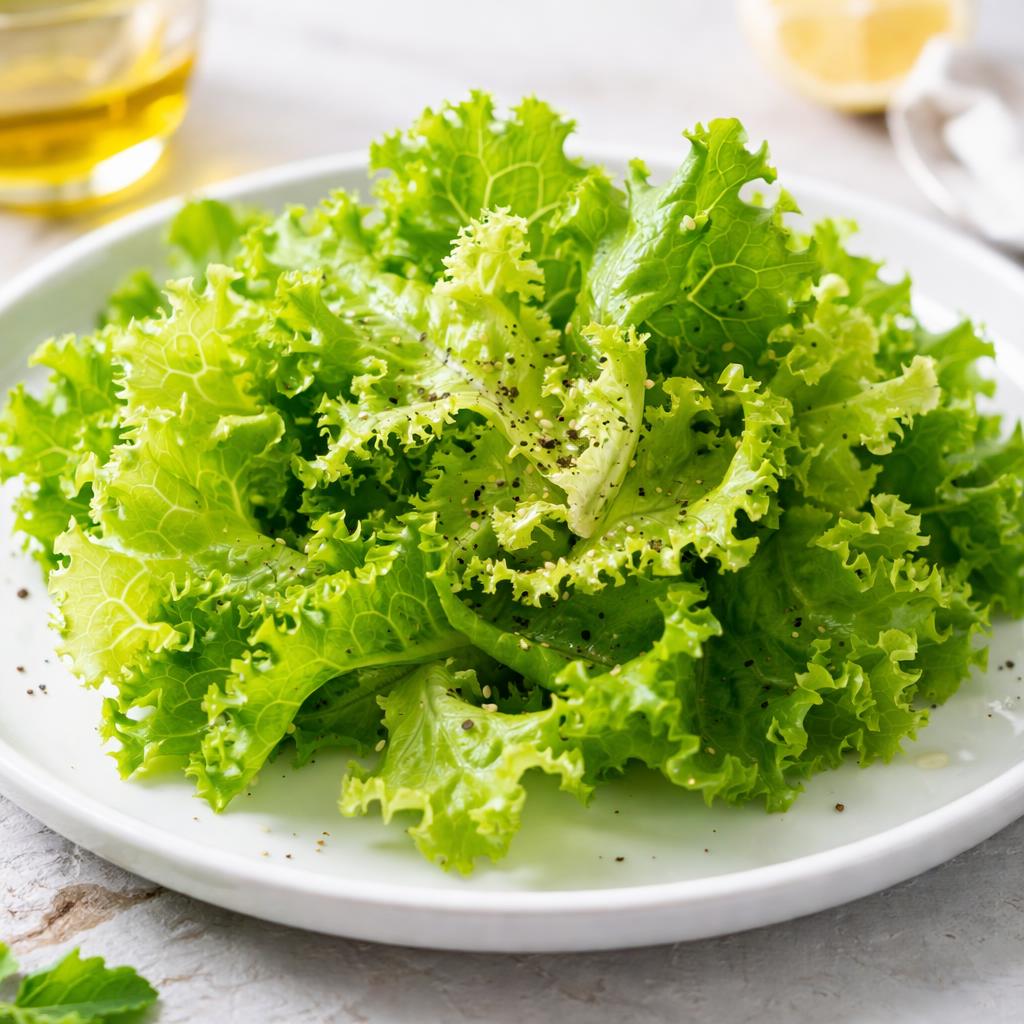
Lettuce
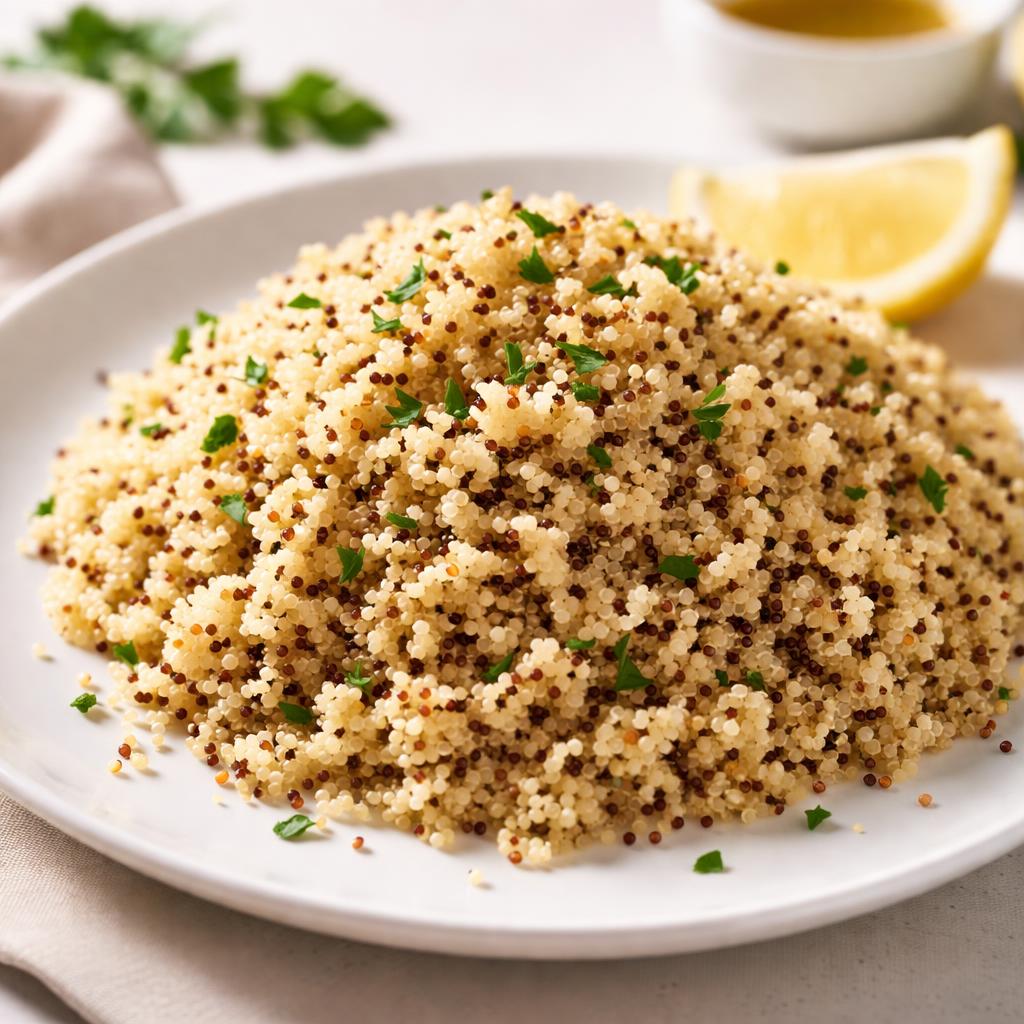
Cooked Quinoa
🎯 Quick Verdict
Lettuce is extremely low in calories and can be used for weight loss or light meals, while cooked quinoa is nutrient-dense, offering significantly more protein, fiber, and energy. Quinoa is ideal for sustaining energy and supporting muscle health, but lettuce remains a great option for calorie-conscious dishes or as a filler in meals.

Smart Nutrition Tracking with SnapCalorie

📊 Nutritional Comparison
Macronutrients
| Nutrient | Food 1 | Food 2 | Winner |
|---|---|---|---|
| Calories | 15 per 100g | 120 per 100g | ✓ |
| Protein | 1g | 4.1g | ✓ |
| Carbs | 3.3g | 21.3g | ✓ |
| Fat | 0.2g | 1.9g | ✓ |
| Fiber | 0.5g | 2.8g | ✓ |
Vitamins & Minerals
| Nutrient | Food 1 | Food 2 | Winner |
|---|---|---|---|
| Vitamin C | 4.4mg | 0mg | ✓ |
| Calcium | 18mg | 17mg | − |
| Iron | 0.3mg | 1.5mg | ✓ |
| Magnesium | 7mg | 64mg | ✓ |
🏆 Category Winners
Protein
Quinoa has 4.1g of protein compared to lettuce's 1g, making it a significantly better source of protein for muscle maintenance and repair.
Fiber
Food2 (quinoa) offers 2.8g of fiber per 100g versus lettuce's 0.5g, supporting better digestion and fullness.
Calories
Lettuce is extremely low in calories, with only 15 calories per 100g versus quinoa's 120 calories.
Vitamins
Quinoa is richer in minerals like iron and magnesium, while lettuce provides modest amounts of Vitamin C. For overall nutrient density, quinoa wins.
🥗 Diet Compatibility
Keto
Food 1: Compatible
Food 2: Not Compatible
Food1 (lettuce) is low-carb, with only 3.3g carbs per 100g; quinoa is high in carbs, making it incompatible.
Vegan
Food 1: Compatible
Food 2: Compatible
Both foods are plant-based and fit within vegan diets.
Gluten Free
Food 1: Compatible
Food 2: Compatible
Neither food contains gluten.
Paleo
Food 1: Compatible
Food 2: Compatible
Both are whole, unprocessed foods that align with paleo principles.
Low Carb
Food 1: Compatible
Food 2: Not Compatible
Lettuce is a very low-carb food, while quinoa contains a significant 21.3g carbs per 100g.
💪 Health Benefits Comparison
Food 1 Benefits
- Extremely low in calories, ideal for weight loss
- Provides Vitamin C, supporting immune health
- Hydrating and light, perfect for summer meals
Food 2 Benefits
- Rich in protein for muscle growth and repair
- High in fiber, aiding digestion and keeping you full
- Good source of minerals like magnesium and iron for energy and bone health
✅ The Bottom Line
Choose lettuce for weight loss, low-calorie or low-carb diets, and as a base in salads. Opt for quinoa when seeking nutrient-dense, energy-rich meals that support muscle repair and sustained energy levels. Both foods serve unique roles in a healthy diet.
Choose Food 1 for: Weight loss, keto, low-carb diets, hydration
Choose Food 2 for: Muscle building, heart health, nutrient-rich energy


