Lettuce VS Ceviche
A detailed nutritional comparison
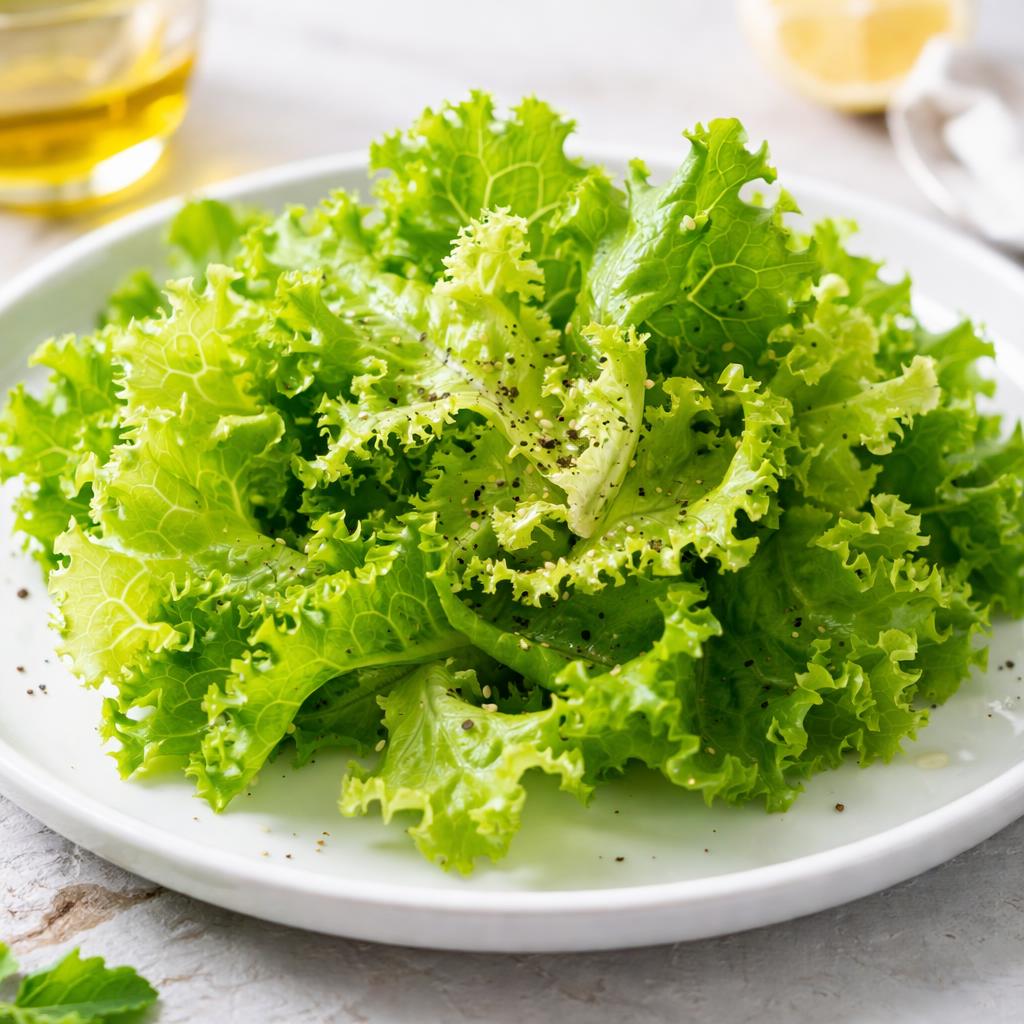
Lettuce
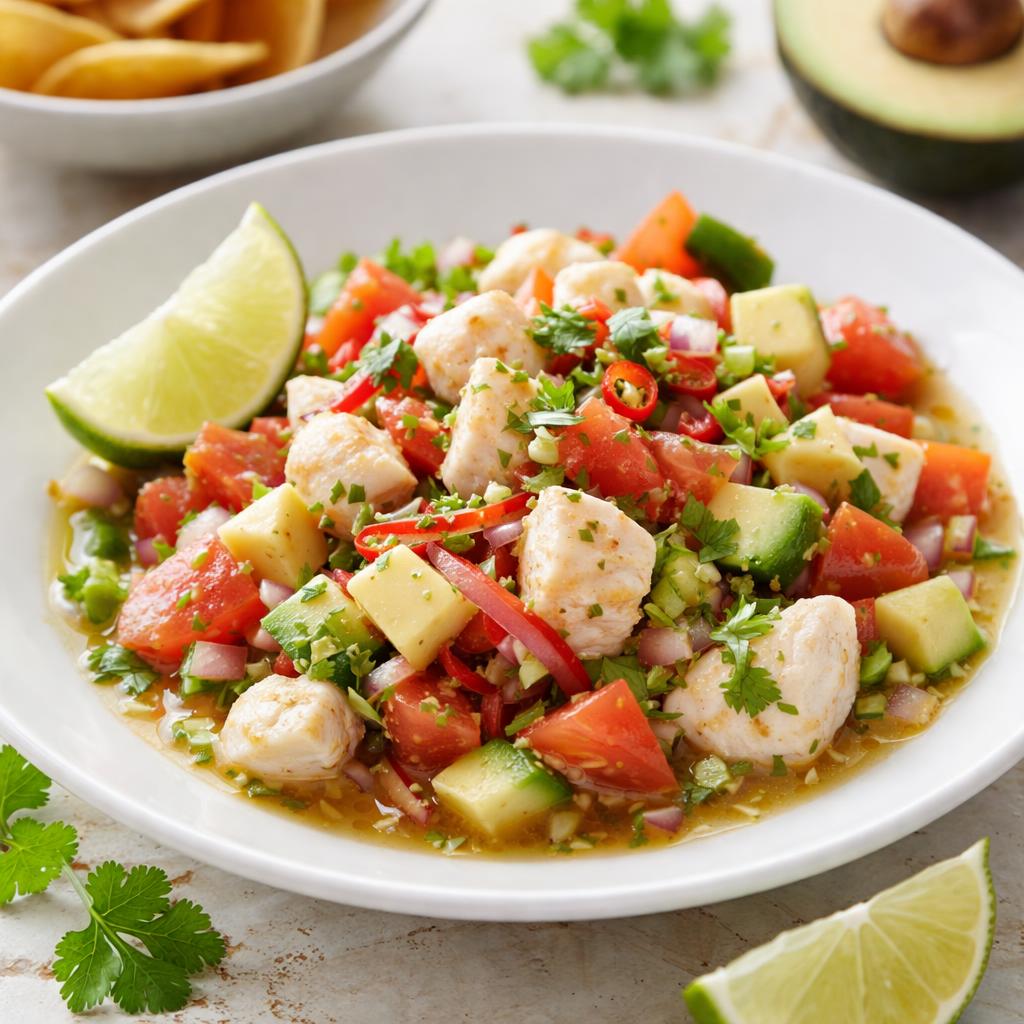
Ceviche
🎯 Quick Verdict
Lettuce is a low-calorie, high-fiber leafy vegetable, excellent for weight loss and hydration. On the other hand, ceviche offers significantly more protein, healthy fats, and important vitamins like vitamin D, making it ideal for nutrient-dense meals and active lifestyles. Both have distinct health benefits depending on dietary needs and goals.

Smart Nutrition Tracking with SnapCalorie

📊 Nutritional Comparison
Macronutrients
| Nutrient | Food 1 | Food 2 | Winner |
|---|---|---|---|
| Calories | 15 | 200 | ✓ |
| Protein | 1g | 20g | ✓ |
| Carbs | 2g | 5g | ✓ |
| Fat | 0g | 8g | ✓ |
| Fiber | 1g | 0g | ✓ |
Vitamins & Minerals
| Nutrient | Food 1 | Food 2 | Winner |
|---|---|---|---|
| Vitamin C | 5mg | 30mg | ✓ |
| Vitamin A | 50mcg | 5mcg | ✓ |
| Vitamin D | 0mcg | 3mcg | ✓ |
| Iron | 0.2mg | 1mg | ✓ |
🏆 Category Winners
Protein
Ceviche provides 20x more protein per serving, essential for muscle building.
Fiber
Lettuce contains fiber, which ceviche lacks.
Calories
Lettuce has significantly fewer calories.
Vitamins
Ceviche offers a broader range of nutrients, including vitamin D and vitamin C.
🥗 Diet Compatibility
Keto
Food 1: Compatible
Food 2: Compatible
Both are low-carb options, but ceviche offers more protein and fats.
Vegan
Food 1: Compatible
Food 2: Not Compatible
Lettuce is plant-based, whereas ceviche includes seafood.
Gluten Free
Food 1: Compatible
Food 2: Compatible
Neither food contains gluten.
Paleo
Food 1: Compatible
Food 2: Compatible
Both fit paleo guidelines, with ceviche being ideal for protein intake.
Low-Carb
Food 1: Compatible
Food 2: Compatible
Both foods are low in carbohydrates, suitable for low-carb diets.
💪 Health Benefits Comparison
Food 1 Benefits
- Low-calorie, ideal for weight loss
- High fiber content supports digestion
- Hydrating due to high water content
- Rich in Vitamin A for eye health
Food 2 Benefits
- High in protein for muscle repair and maintenance
- Source of healthy omega-3 fatty acids for heart health
- Rich in vitamin D for bone support
- Provides antioxidants like vitamin C for immune function
✅ The Bottom Line
Choose lettuce for a light, nutrient-rich option perfect for weight loss or as a base for salads. Opt for ceviche when aiming for a high-protein, nutrient-dense meal focused on healthy fats and vitamins. Both complement different dietary needs effectively.
Choose Food 1 for: Weight loss, digestion, hydration, vegan diets
Choose Food 2 for: Active lifestyles, muscle building, immune support, paleo diets


