Lettuce VS Bell Peppers
A detailed nutritional comparison
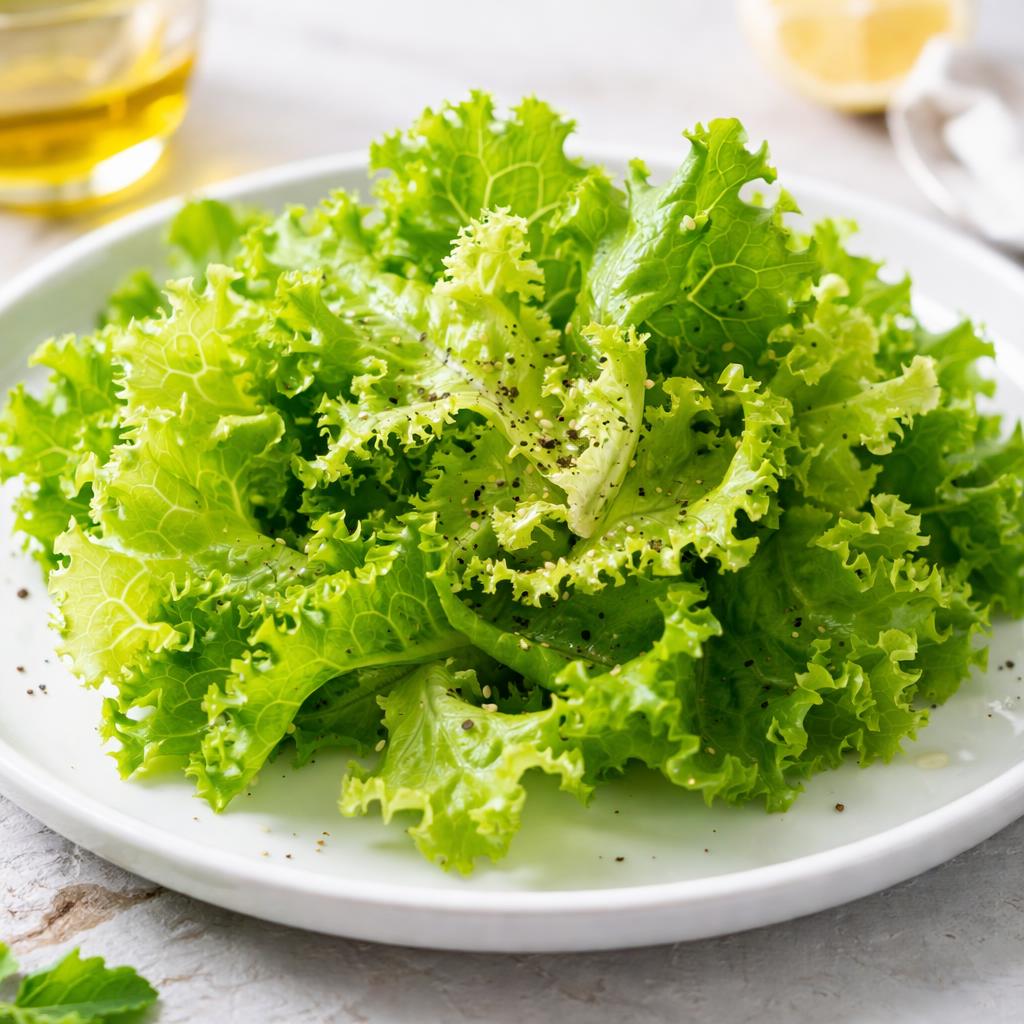
Lettuce
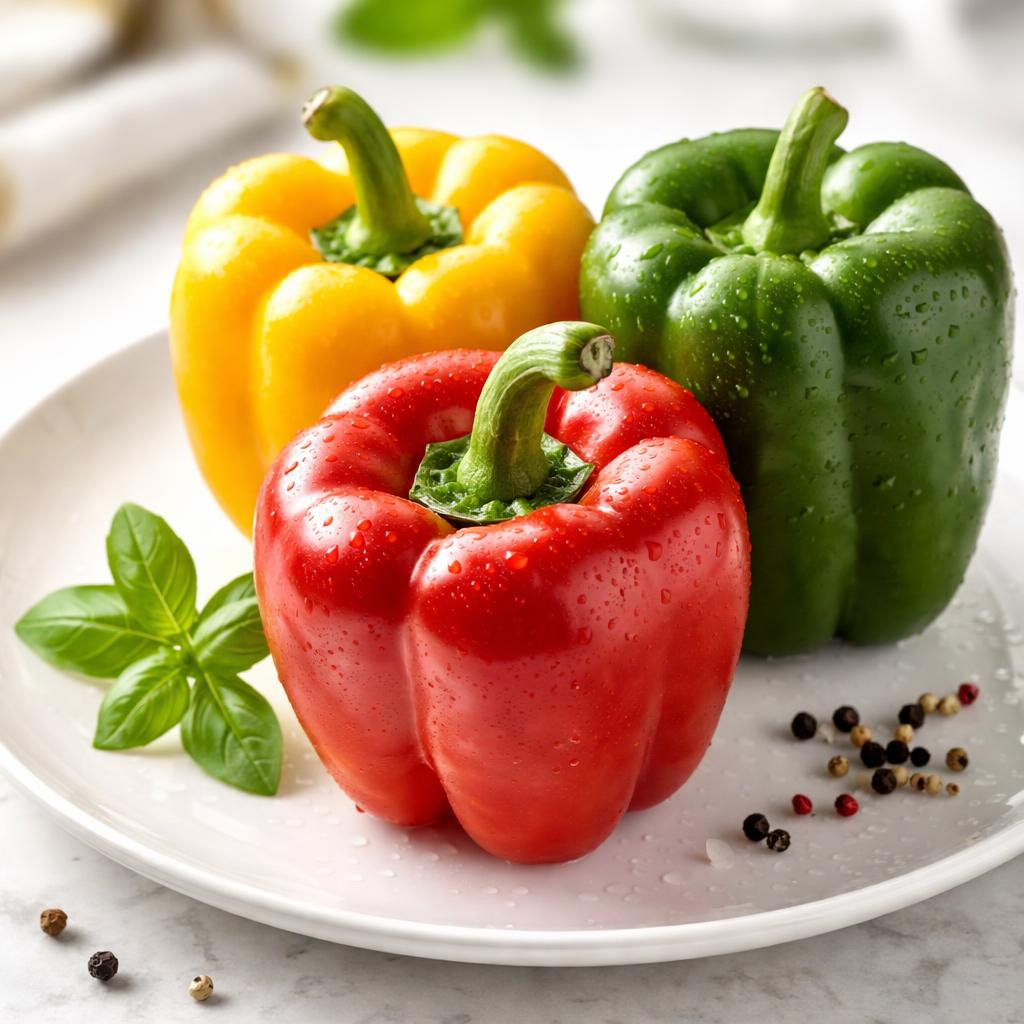
Bell Peppers
🎯 Quick Verdict
Lettuce is extremely low in calories and ideal for weight loss, while bell peppers offer higher nutrient density with more fiber and vitamins. Choose lettuce for low-calorie meals and bell peppers if you're looking to enhance nutrition and flavor in your diet.

Smart Nutrition Tracking with SnapCalorie

📊 Nutritional Comparison
Macronutrients
| Nutrient | Food 1 | Food 2 | Winner |
|---|---|---|---|
| Calories | 15 | 40 | ✓ |
| Protein | 0.9g | 1g | − |
| Carbs | 3g | 9g | ✓ |
| Fat | 0.2g | 0.3g | ✓ |
| Fiber | 1g | 3g | ✓ |
Vitamins & Minerals
| Nutrient | Food 1 | Food 2 | Winner |
|---|---|---|---|
| Vitamin D | 0mcg | 0mcg | − |
| Vitamin C | 2mg | 80mg | ✓ |
| Vitamin A | 740 IU | 4700 IU | ✓ |
| Calcium | 18mg | 10mg | ✓ |
| Iron | 0.3mg | 0.4mg | ✓ |
🏆 Category Winners
Protein
Both foods provide similar protein levels.
Fiber
Bell peppers contain 3g of fiber, triple the amount in lettuce.
Calories
Lettuce has significantly fewer calories (15 vs 40 per serving).
Vitamins
Bell peppers are rich in vitamins like C and A, significantly more than lettuce.
🥗 Diet Compatibility
Keto
Food 1: Compatible
Food 2: Compatible
Both foods are low-carb and suitable for keto.
Vegan
Food 1: Compatible
Food 2: Compatible
Both are plant-based and fit vegan diets.
Gluten Free
Food 1: Compatible
Food 2: Compatible
Neither contains gluten.
Paleo
Food 1: Compatible
Food 2: Compatible
Both are whole, unprocessed foods compatible with paleo.
Low-Carb
Food 1: Compatible
Food 2: Compatible
Both are low-carb options, but lettuce is especially low-carb with only 3g per serving.
💪 Health Benefits Comparison
Food 1 Benefits
- Extremely low in calories, ideal for weight loss
- Hydration support due to high water content
- Contains small amounts of vitamin A for eye health
Food 2 Benefits
- Rich in vitamin C, boosting immunity and skin health
- High in vitamin A for vision and cell function
- Contains antioxidants that reduce inflammation
✅ The Bottom Line
Choose lettuce for low-calorie meals such as salads when weight loss or hydration is your goal. Opt for bell peppers to add vibrant color, flavor, and a nutrient boost, especially for immunity and vision support.
Choose Food 1 for: Weight loss, low-calorie diets, light salads
Choose Food 2 for: Immune support, adding nutrition to meals, antioxidant benefits


