Keto Bread VS Whole Wheat Bread
A detailed nutritional comparison
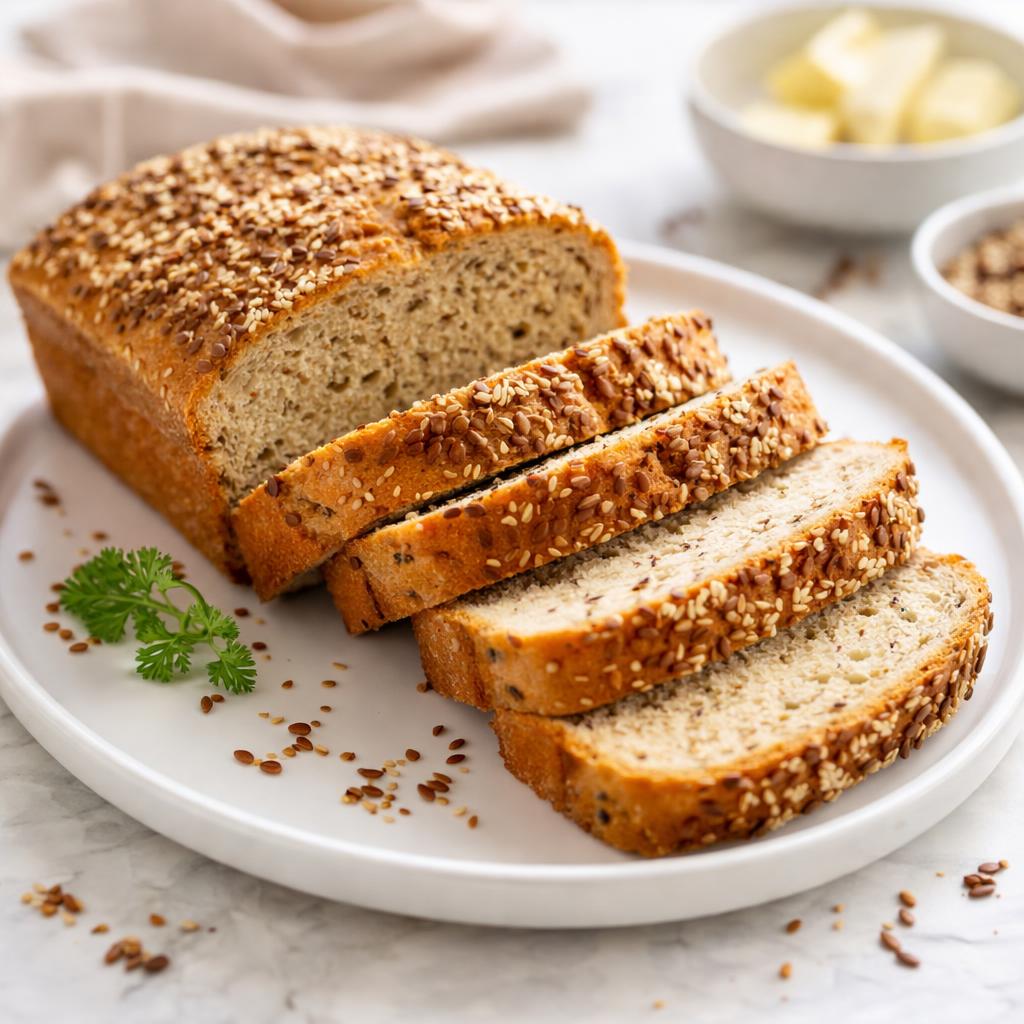
Keto Bread
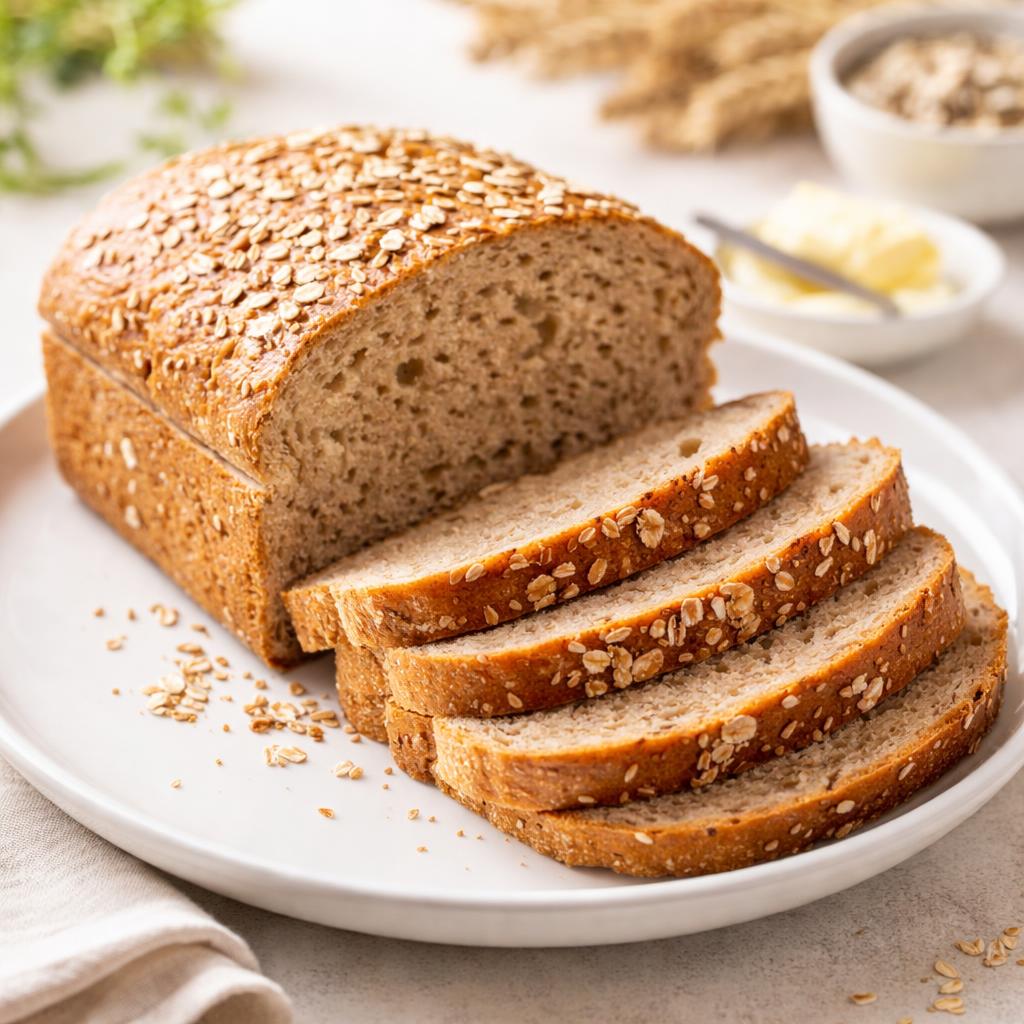
Whole Wheat Bread
🎯 Quick Verdict
Keto bread (food1) is lower in calories and carbs, making it ideal for low-carb and keto diets, while whole wheat bread (food2) offers more fiber and is better for general digestive health. Both options are plant-based, but their nutritional focus differs based on dietary priorities and goals.

Smart Nutrition Tracking with SnapCalorie

📊 Nutritional Comparison
Macronutrients
| Nutrient | Food 1 | Food 2 | Winner |
|---|---|---|---|
| Calories | 70 | 120 | ✓ |
| Protein | 7g | 4g | ✓ |
| Carbs | 6g | 20g | ✓ |
| Fat | 3g | 1g | ✓ |
| Fiber | 3g | 4g | ✓ |
Vitamins & Minerals
| Nutrient | Food 1 | Food 2 | Winner |
|---|---|---|---|
| Vitamin D | 0mcg | 0mcg | − |
| Calcium | 100mg | 80mg | ✓ |
| Iron | 1mg | 1.5mg | ✓ |
🏆 Category Winners
Protein
Food1 has 75% more protein per serving than food2.
Fiber
Food2 provides 25% more fiber than food1.
Calories
Food1 has about 40% fewer calories per serving.
Vitamins
Food2 provides slightly more iron, which supports oxygen transport in the body.
🥗 Diet Compatibility
Keto
Food 1: Compatible
Food 2: Not Compatible
Food1 has only 6g carbs per serving; food2 has 20g carbs.
Vegan
Food 1: Compatible
Food 2: Compatible
Both foods are plant-based and do not contain animal products.
Gluten Free
Food 1: Depends on brand
Food 2: Not Compatible
Some keto breads are made gluten-free; whole wheat bread contains gluten.
Paleo
Food 1: Depends on brand
Food 2: Not Compatible
Some keto breads qualify as paleo-friendly if grain-free, while whole wheat bread is not paleo.
Low-Carb
Food 1: Compatible
Food 2: Not Compatible
Food1 aligns with low-carb diets due to minimal carbohydrates (6g per serving).
💪 Health Benefits Comparison
Food 1 Benefits
- Fits low-carb and keto diets to support weight loss and blood sugar regulation.
- Provides a higher protein content for improved muscle recovery and maintenance.
- Lower in calories, making it a better option for calorie-controlled diets.
Food 2 Benefits
- Rich in dietary fiber, promoting digestion and gut health.
- Contains essential micronutrients like iron for energy production and oxygen transport.
- Offers sustained energy due to higher complex carbohydrate content.
✅ The Bottom Line
Choose keto bread when following a low-carb or keto diet and aiming to prioritize protein intake while minimizing calorie consumption. Opt for whole wheat bread when fiber and nutrient density are more important for overall gut health and sustained energy needs.
Choose Food 1 for: Low-carb diets, weight loss, diabetes management
Choose Food 2 for: Fiber intake, sustained energy, general nutrition


