Jollof Rice VS Whole Wheat Pita
A detailed nutritional comparison
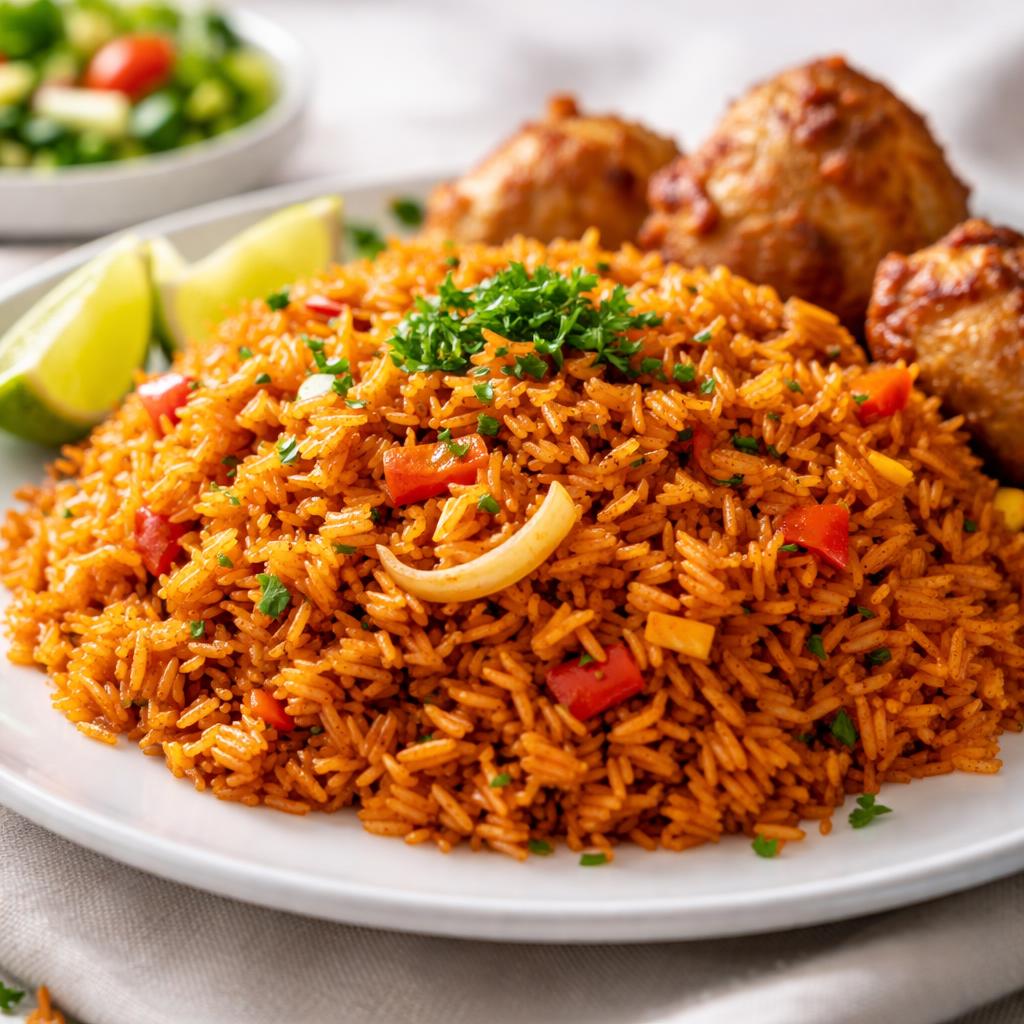
Jollof Rice
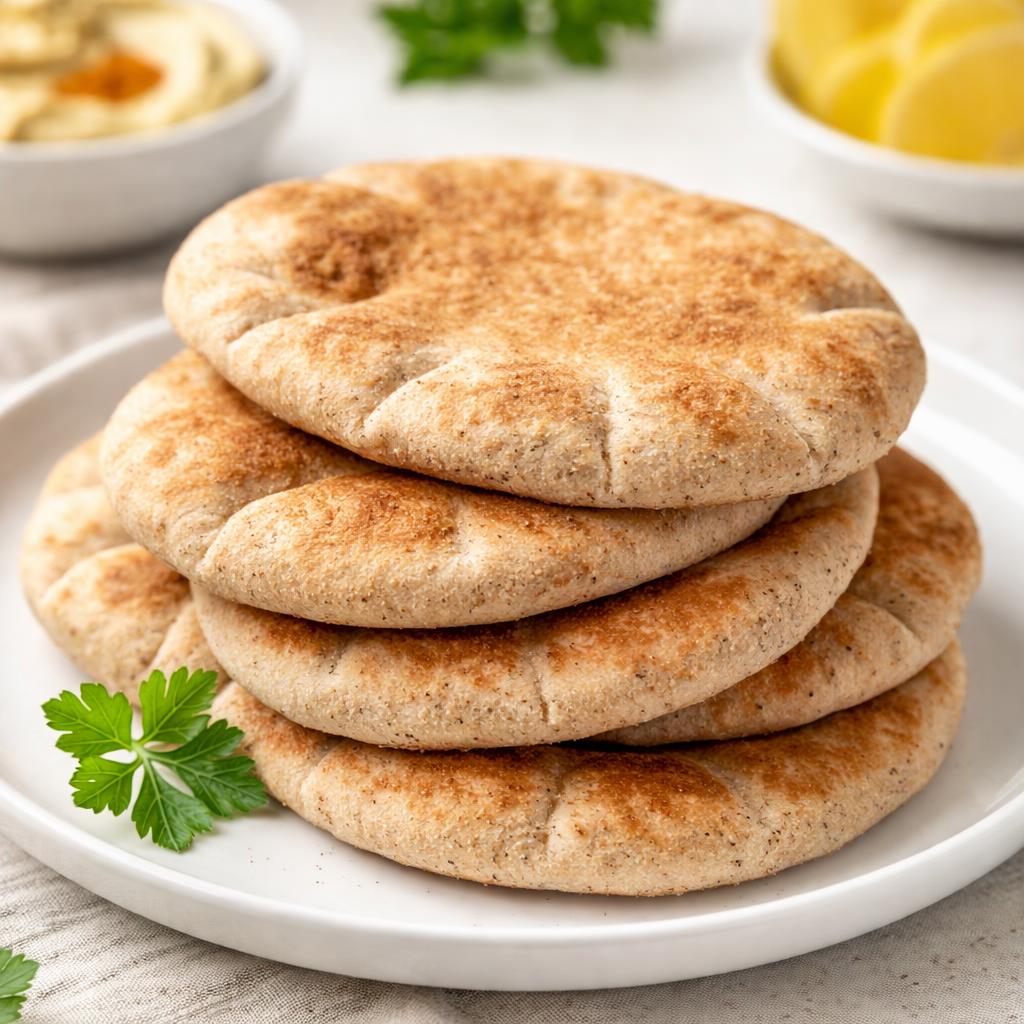
Whole Wheat Pita
🎯 Quick Verdict
Whole wheat pita outperforms jollof rice in key nutrients like protein, fiber, and lower calorie content, making it better suited for weight management and heart health. Jollof rice, on the other hand, offers a higher energy density and vibrant flavor, ideal for meals requiring more carbs or cultural recipes.

Smart Nutrition Tracking with SnapCalorie

📊 Nutritional Comparison
Macronutrients
| Nutrient | Food 1 | Food 2 | Winner |
|---|---|---|---|
| Calories | 350 | 170 | ✓ |
| Protein | 5g | 7g | ✓ |
| Carbs | 60g | 35g | ✓ |
| Fat | 6g | 2g | ✓ |
| Fiber | 2g | 5g | ✓ |
Vitamins & Minerals
| Nutrient | Food 1 | Food 2 | Winner |
|---|---|---|---|
| Vitamin A | 300IU | 0IU | ✓ |
| Vitamin C | 5mg | 0mg | ✓ |
| Iron | 1mg | 2mg | ✓ |
| Calcium | 50mg | 80mg | ✓ |
🏆 Category Winners
Protein
Whole wheat pita has 40% more protein per serving.
Fiber
Whole wheat pita offers over double the fiber content of jollof rice.
Calories
Whole wheat pita contains 50% fewer calories than jollof rice per serving.
Vitamins
Jollof rice provides more Vitamin A and Vitamin C, especially due to its vegetable-based ingredients.
🥗 Diet Compatibility
Keto
Food 1: Not Compatible
Food 2: Not Compatible
Both foods are high in carbohydrates.
Vegan
Food 1: Compatible
Food 2: Compatible
Both foods are plant-based by default unless modified.
Gluten Free
Food 1: Compatible
Food 2: Not Compatible
Jollof rice is gluten-free, while whole wheat pita contains wheat gluten.
Paleo
Food 1: Compatible
Food 2: Not Compatible
Jollof rice aligns with paleo principles; pita contains grains excluded in paleo diets.
Low-Carb
Food 1: Not Compatible
Food 2: Not Compatible
Both foods exceed low-carb thresholds (under 20-50g per serving).
💪 Health Benefits Comparison
Food 1 Benefits
- Provides Vitamin A for eye health
- Contains Vitamin C to support immune function
- Source of complex carbohydrates for sustained energy
- Gluten-free for those with sensitivities
Food 2 Benefits
- Rich in dietary fiber for digestion and gut health
- Provides plant-based protein for muscle support
- Low-calorie option for weight management
- Contains essential minerals like iron and calcium
✅ The Bottom Line
Jollof rice is best for those seeking a nutrient-packed, flavorful, energy-dense dish that aligns with paleo and gluten-free diets. Whole wheat pita is preferable for weight management, providing more fiber and protein with fewer calories, and is better suited for heart health and digestion.
Choose Food 1 for: Energy boost, traditional dishes, Vitamin A and C intake, gluten-free diets
Choose Food 2 for: Weight loss, fiber-rich diets, low-calorie meals, protein snacks


