Jasmine Rice VS Whole Wheat Pita
A detailed nutritional comparison
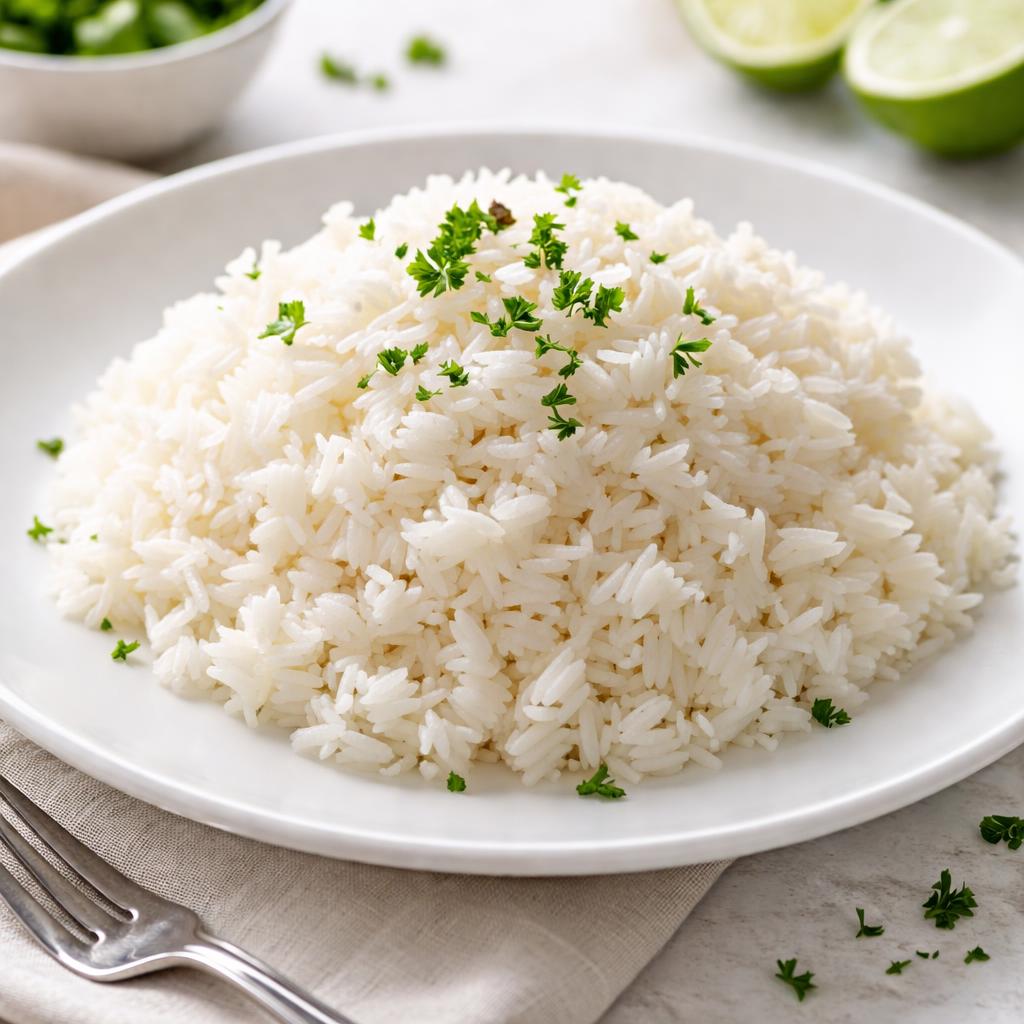
Jasmine Rice
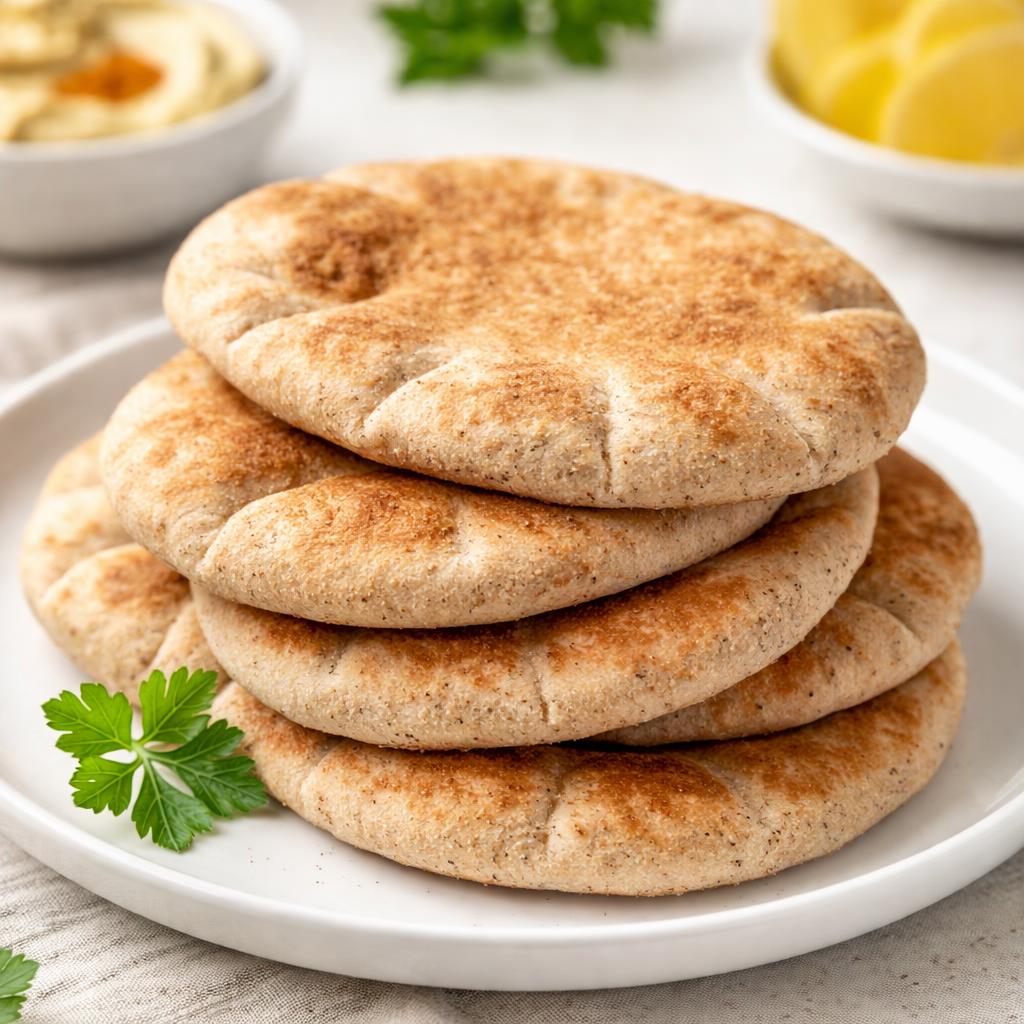
Whole Wheat Pita
🎯 Quick Verdict
Whole wheat pita outshines jasmine rice in terms of protein and fiber, making it a more nutrient-dense choice for balanced meals. Jasmine rice is lower in calories and carbs, making it suitable for weight management or lighter meals. Both are vegan, but whole wheat pita is more versatile for wraps and snacks, while jasmine rice is perfect as a side dish or base for meals.

Smart Nutrition Tracking with SnapCalorie

📊 Nutritional Comparison
Macronutrients
| Nutrient | Food 1 | Food 2 | Winner |
|---|---|---|---|
| Calories | 205 | 170 | ✓ |
| Protein | 4g | 6g | ✓ |
| Carbs | 45g | 35g | ✓ |
| Fat | 0.5g | 1g | ✓ |
| Fiber | 0.5g | 4g | ✓ |
Vitamins & Minerals
| Nutrient | Food 1 | Food 2 | Winner |
|---|---|---|---|
| Iron | 0.3mg | 2.5mg | ✓ |
| Calcium | 5mg | 25mg | ✓ |
| Vitamin B6 | 0.1mg | 0.1mg | − |
🏆 Category Winners
Protein
Whole wheat pita has 50% more protein per serving.
Fiber
Whole wheat pita contains 8x the fiber of jasmine rice.
Calories
Jasmine rice has fewer calories per serving, making it a better choice for weight-conscious individuals.
🥗 Diet Compatibility
Keto
Food 1: Not Compatible
Food 2: Not Compatible
Both are high-carb foods unsuitable for a keto diet.
Vegan
Food 1: Compatible
Food 2: Compatible
Both foods are plant-based.
Gluten Free
Food 1: Compatible
Food 2: Not Compatible
Jasmine rice is naturally gluten-free, while whole wheat pita contains gluten.
Paleo
Food 1: Compatible
Food 2: Not Compatible
Jasmine rice fits certain paleo guidelines, whereas whole wheat pita, being processed, does not.
Low Carb
Food 1: Not Compatible
Food 2: Not Compatible
Both are high in carbohydrates and not suited for low-carb diets.
💪 Health Benefits Comparison
Food 1 Benefits
- Low-fat, making it heart-friendly
- Excellent source of quick carbs for energy
- Naturally gluten-free, suitable for sensitive dietary needs
Food 2 Benefits
- Rich in fiber, aiding digestion and promoting gut health
- Provides a higher amount of essential nutrients like iron and calcium
- Offers sustained energy due to its slow-digesting carbs
✅ The Bottom Line
Whole wheat pita is ideal for individuals looking for higher protein and fiber intake, making it the better choice for balanced meals or snacks. Jasmine rice, however, is lower in calories and carbs, serving well as a versatile base for lighter meals or a quick energy source.
Choose Food 1 for: Light meals, gluten-free diets, energy boost
Choose Food 2 for: Balanced meals, protein boost, digestive health


