Jasmine Rice VS Rice Soup
A detailed nutritional comparison
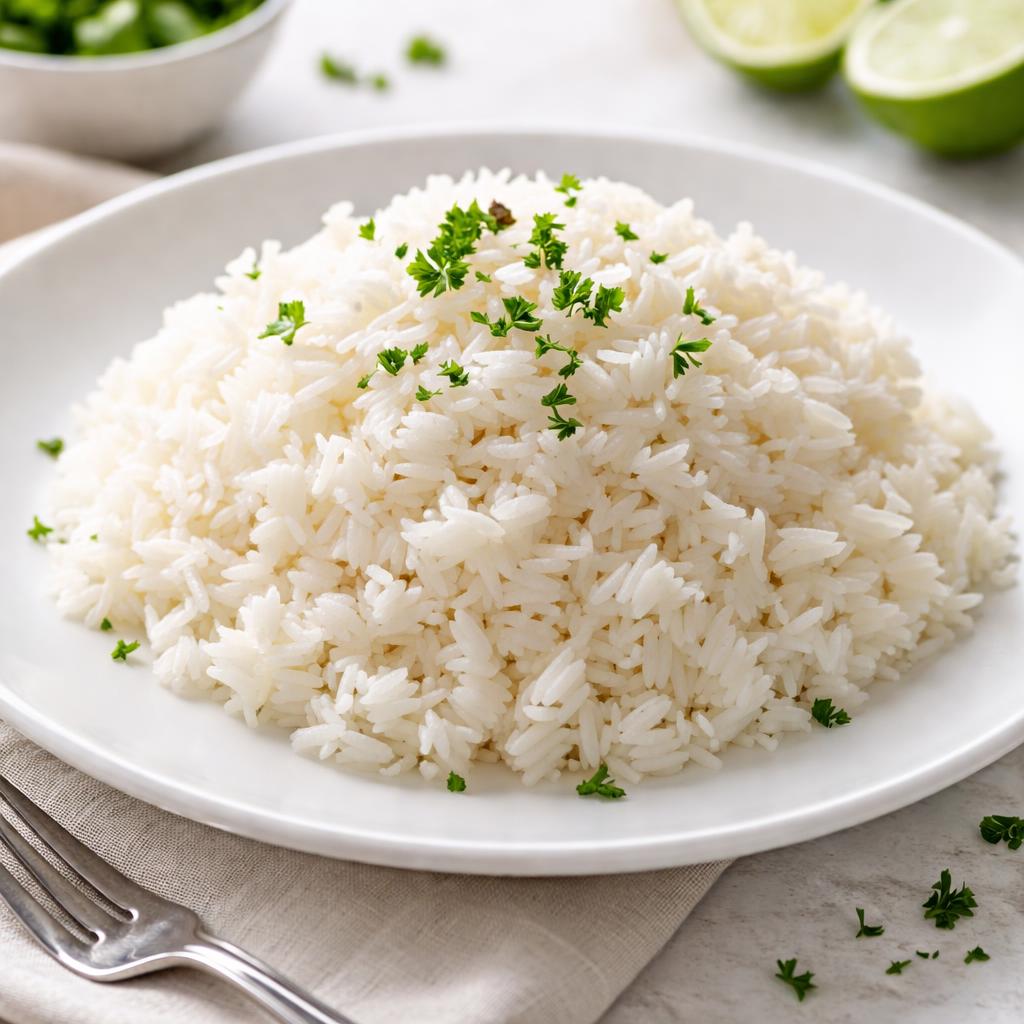
Jasmine Rice
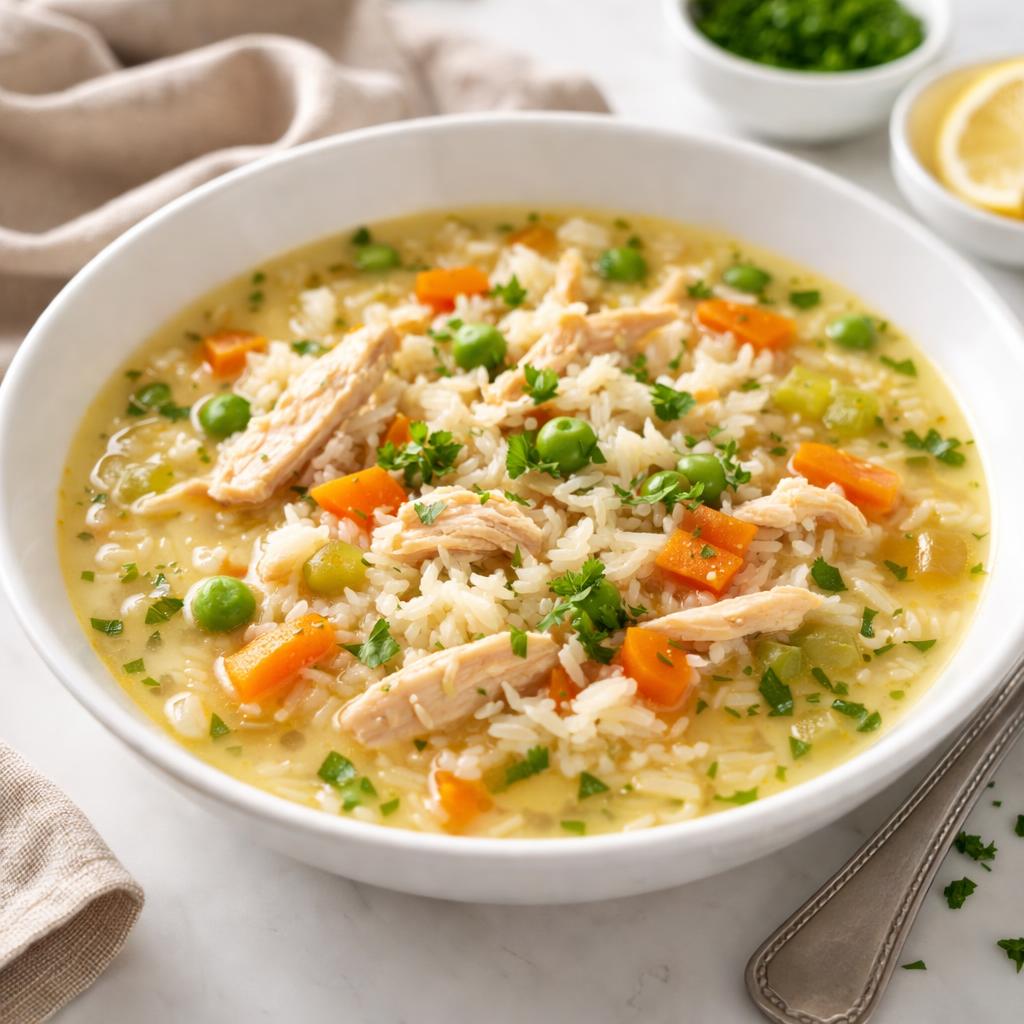
Rice Soup
🎯 Quick Verdict
Jasmine rice is calorie-dense, high in carbs, and serves as a versatile base for meals, while rice soup is lighter but more nutrient-dense per calorie, containing more fiber and protein. Jasmine rice works better for energy replenishment, while rice soup is better for lighter meals and hydration during recovery or illness.

Smart Nutrition Tracking with SnapCalorie

📊 Nutritional Comparison
Macronutrients
| Nutrient | Food 1 | Food 2 | Winner |
|---|---|---|---|
| Calories | 205 | 100 | ✓ |
| Protein | 4g | 5g | ✓ |
| Carbs | 45g | 15g | ✓ |
| Fat | 0.5g | 3g | ✓ |
| Fiber | 0.3g | 1.5g | ✓ |
Vitamins & Minerals
| Nutrient | Food 1 | Food 2 | Winner |
|---|---|---|---|
| Vitamin D | 0mcg | 0mcg | − |
| Calcium | 5mg | 30mg | ✓ |
| Iron | 1mg | 1.5mg | ✓ |
🏆 Category Winners
Protein
Rice soup has 25% more protein relative to serving size.
Fiber
Rice soup contains five times more fiber per serving.
Calories
Rice soup has less than half the calories of jasmine rice (100 vs 205).
🥗 Diet Compatibility
Keto
Food 1: Not Compatible
Food 2: Not Compatible
Both are high-carb foods.
Vegan
Food 1: Compatible
Food 2: Compatible
Both are plant-based, assuming rice soup contains no animal-origin ingredients.
Gluten Free
Food 1: Compatible
Food 2: Compatible
Neither contains gluten.
Paleo
Food 1: Compatible
Food 2: Compatible
Both fit paleo diets with no processed ingredients added.
Low Carb
Food 1: Not Compatible
Food 2: Not Compatible
Both are primarily carbohydrate-based.
💪 Health Benefits Comparison
Food 1 Benefits
- Provides a quick source of energy from carbohydrates
- Low in fat for weight management support
- Easy to digest, making it suitable for sensitive stomachs
Food 2 Benefits
- Lower calorie option for portion control
- Contains more fiber for improved digestion and satiety
- Hydrating, especially beneficial during recovery or illness
✅ The Bottom Line
Jasmine rice is ideal for high-energy needs like intense physical activity or post-workout meals, while rice soup works best for low-calorie, nutrient-dense meals or during hydration needs. They both suit gluten-free and vegan preferences.
Choose Food 1 for: Athletes, high-energy diets, meal bases
Choose Food 2 for: Low-calorie diets, light meals, health recovery


