Jasmine Rice VS Rice Pudding
A detailed nutritional comparison
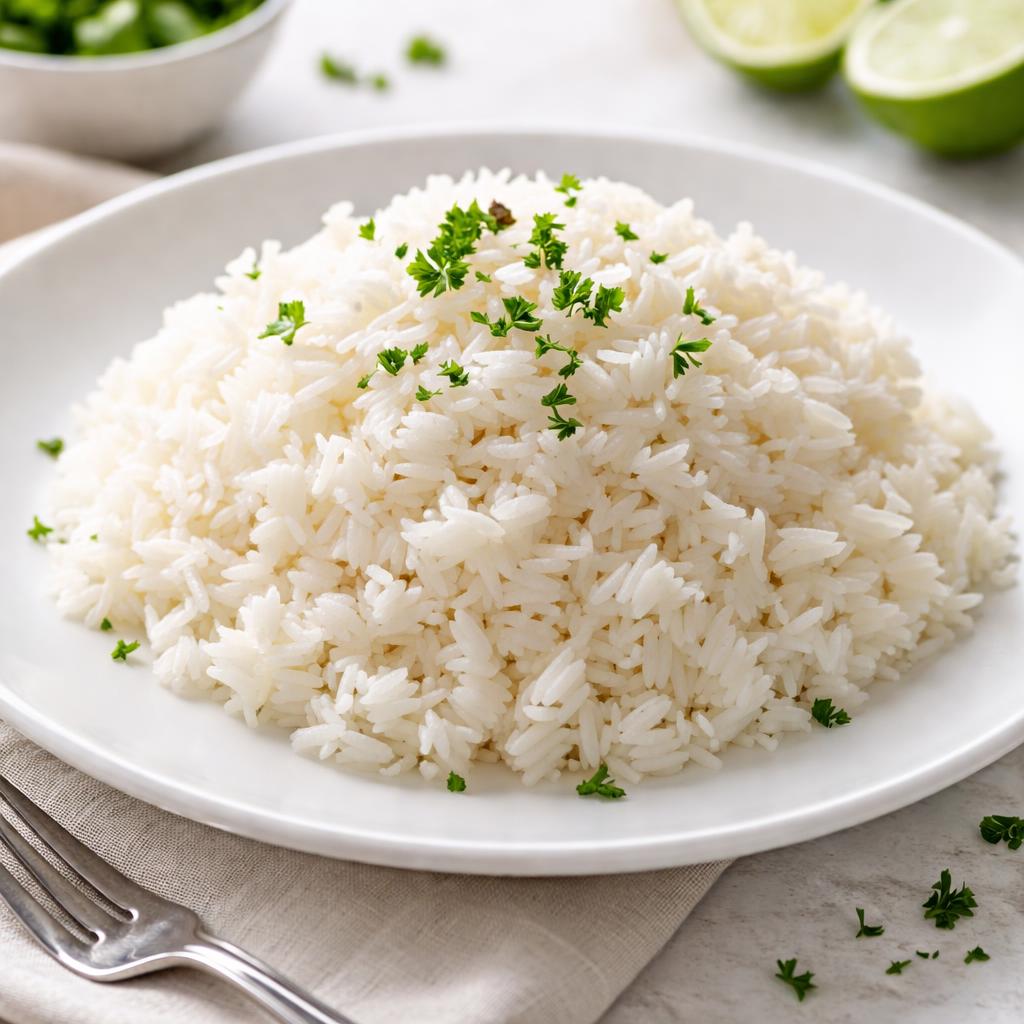
Jasmine Rice
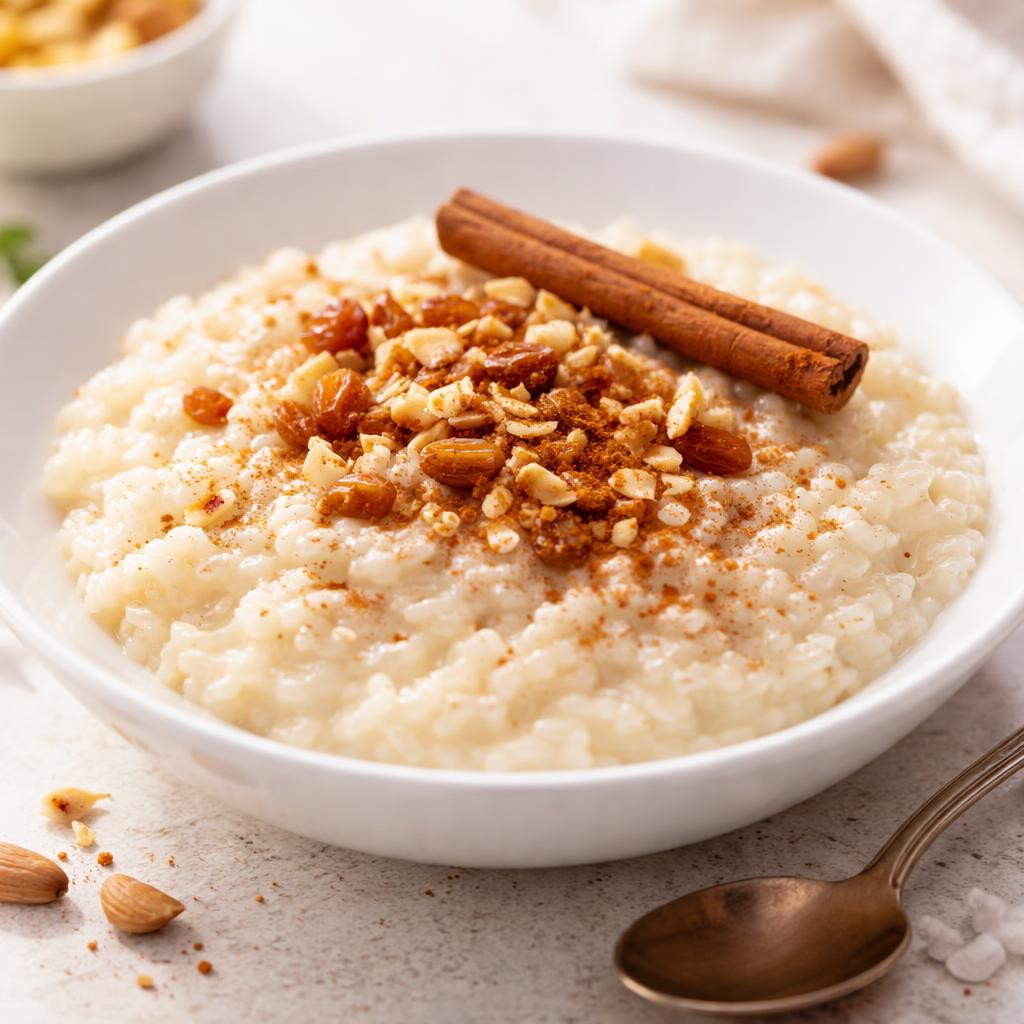
Rice Pudding
🎯 Quick Verdict
Jasmine rice is lower in calories and higher in protein compared to rice pudding. Rice pudding, however, provides higher amounts of sugar and fats due to the additional ingredients like milk and sugar. Jasmine rice is better suited for simple meals or as a side dish, while rice pudding is more suitable for dessert or energy-rich snacks.

Smart Nutrition Tracking with SnapCalorie

📊 Nutritional Comparison
Macronutrients
| Nutrient | Food 1 | Food 2 | Winner |
|---|---|---|---|
| Calories | 205 per cup | 291 per cup | ✓ |
| Protein | 4.3g | 3.6g | ✓ |
| Carbs | 45g | 49g | ✓ |
| Fat | 0.4g | 7g | ✓ |
| Fiber | 0.6g | 0.6g | − |
Vitamins & Minerals
| Nutrient | Food 1 | Food 2 | Winner |
|---|---|---|---|
| Vitamin D | 0mcg | 1mcg | ✓ |
| Calcium | 10mg | 130mg | ✓ |
| Iron | 0.6mg | 0.4mg | ✓ |
🏆 Category Winners
Protein
Jasmine rice has slightly more protein compared to rice pudding.
Fiber
Both provide an equal amount of fiber per serving.
Calories
Jasmine rice has 30% fewer calories per cup than rice pudding.
🥗 Diet Compatibility
Keto
Food 1: Not Compatible
Food 2: Not Compatible
Both are high-carb foods unsuitable for keto diets.
Vegan
Food 1: Compatible
Food 2: Not Compatible
Jasmine rice is plant-based, while rice pudding often uses dairy milk.
Gluten Free
Food 1: Compatible
Food 2: Compatible
Neither food contains gluten ingredients.
Paleo
Food 1: Not Compatible
Food 2: Not Compatible
Neither fits paleo guidelines (processed ingredients in rice pudding; rice lacks paleo approval).
Low Carb
Food 1: Not Compatible
Food 2: Not Compatible
Both are high carbohydrate foods with over 40g of carbs per serving.
💪 Health Benefits Comparison
Food 1 Benefits
- Provides simple carbohydrates for energy
- Low in fat for lighter meals
- Pairs well with nutrient-dense foods like veggies or lean proteins
Food 2 Benefits
- Higher in healthy fats due to milk
- Good source of calcium for bone health
- Rich in sugar for quick energy
✅ The Bottom Line
Jasmine rice is a versatile, lower-calorie option suitable for main meals or side dishes, while rice pudding is better for satisfying sweet cravings and providing energy bursts. Jasmine rice fits better for balanced meals, and rice pudding works well as a dessert or snack.
Choose Food 1 for: Low-calorie meals, plant-based diets, simple carbohydrate sources
Choose Food 2 for: Desserts, energy-boosting snacks, calcium-rich options


