Jasmine Rice VS Green Rice
A detailed nutritional comparison
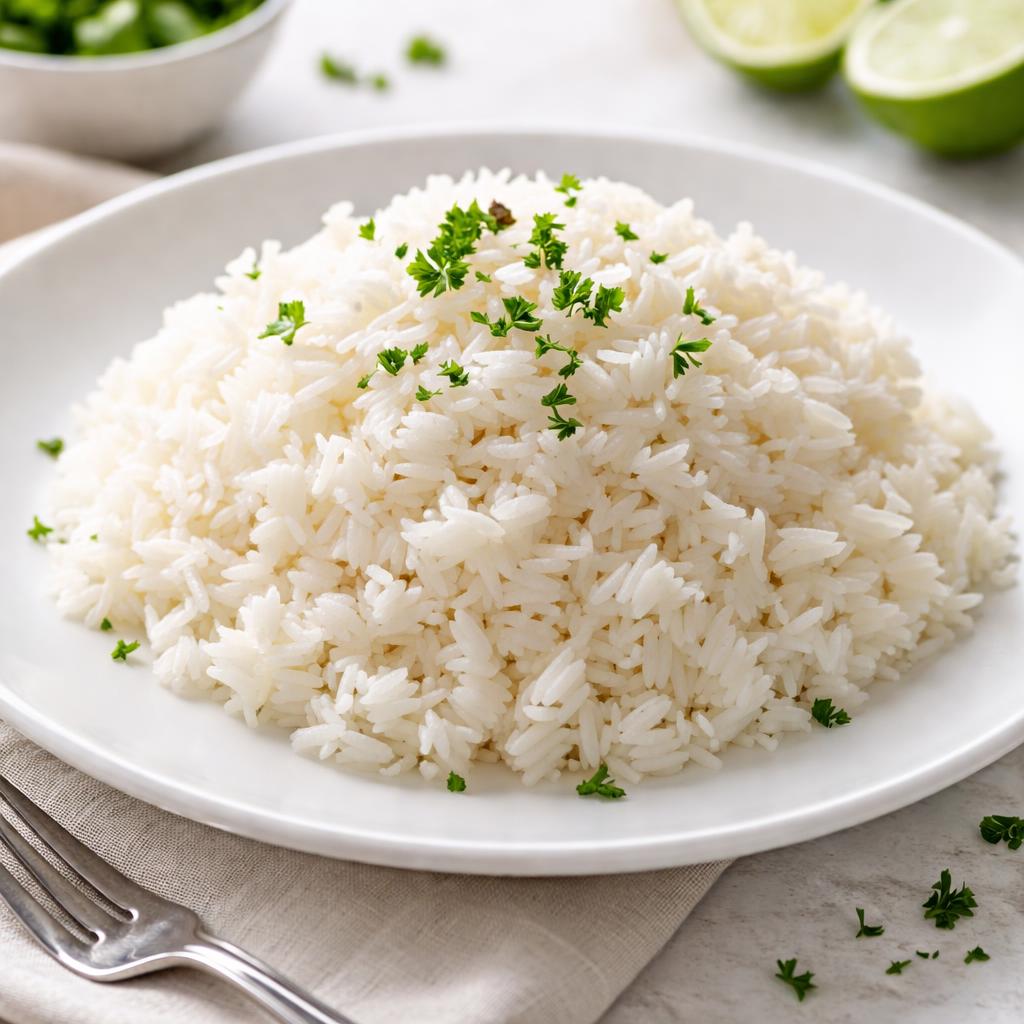
Jasmine Rice
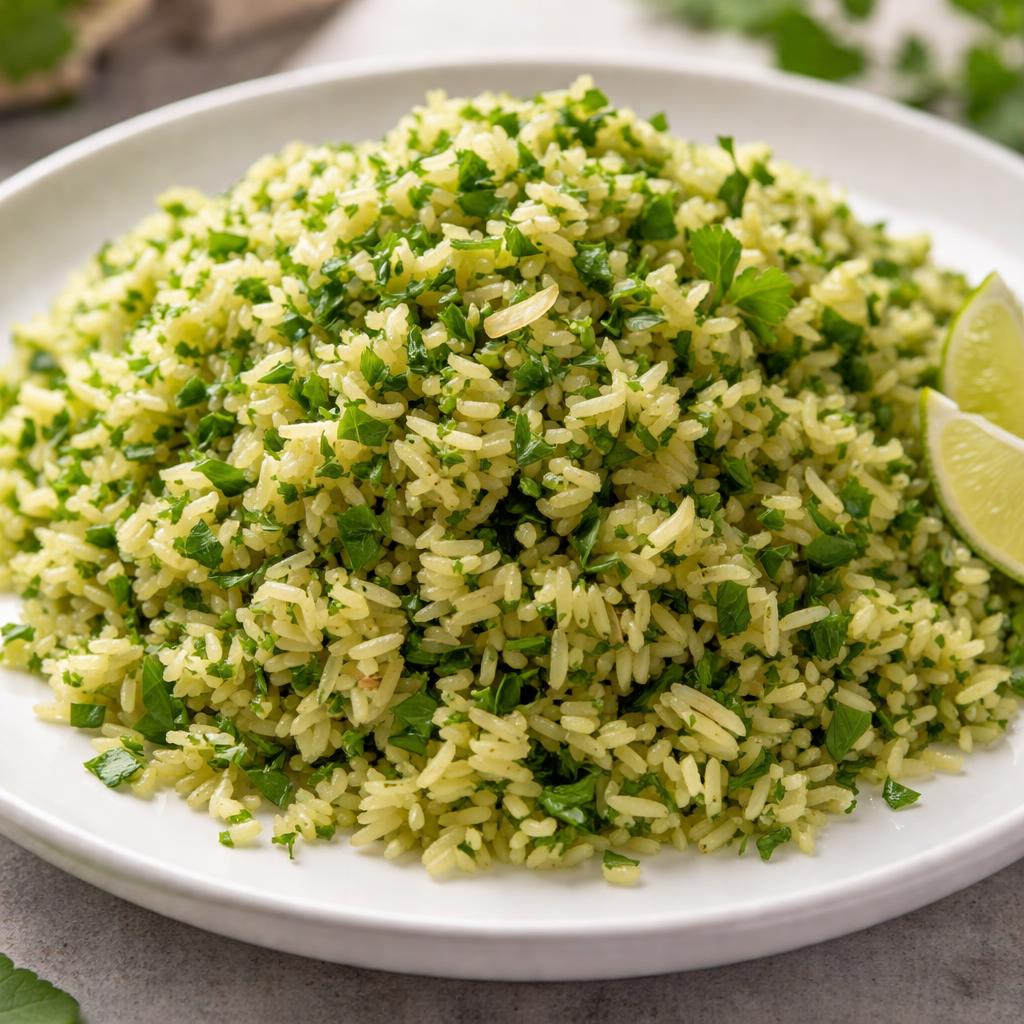
Green Rice
🎯 Quick Verdict
Green rice outperforms jasmine rice nutritionally due to higher protein and fiber content, making it more suitable for weight management and energy balance. Jasmine rice, on the other hand, is lower in calories and carbohydrates, making it a good choice for lighter meals or energy needs that align with lower-carb diets. Both foods are gluten-free and vegan-friendly but serve different dietary goals based on their nutrient profiles.

Smart Nutrition Tracking with SnapCalorie

📊 Nutritional Comparison
Macronutrients
| Nutrient | Food 1 | Food 2 | Winner |
|---|---|---|---|
| Calories | 160 | 150 | ✓ |
| Protein | 3g | 8g | ✓ |
| Carbs | 35g | 30g | ✓ |
| Fat | 0g | 3g | ✓ |
| Fiber | 0.5g | 3g | ✓ |
Vitamins & Minerals
| Nutrient | Food 1 | Food 2 | Winner |
|---|---|---|---|
| Vitamin C | 0mg | 5mg | ✓ |
| Calcium | 10mg | 50mg | ✓ |
| Iron | 0.2mg | 1mg | ✓ |
🏆 Category Winners
Protein
Green rice contains more than double the protein compared to jasmine rice.
Fiber
Green rice has significantly higher fiber content (3g vs 0.5g).
Calories
Green rice has fewer calories per serving.
Vitamins
Green rice provides far more vitamin C, calcium, and iron for overall health.
🥗 Diet Compatibility
Keto
Food 1: Not Compatible
Food 2: Not Compatible
Both contain high amounts of carbohydrates unsuitable for keto diets.
Vegan
Food 1: Compatible
Food 2: Compatible
Both foods are plant-based.
Gluten Free
Food 1: Compatible
Food 2: Compatible
Neither food contains gluten.
Paleo
Food 1: Compatible
Food 2: Compatible
Both can fit within Paleo guidelines when consumed in moderation.
Low Carb
Food 1: Not Compatible
Food 2: Not Compatible
Both have moderate to high carbohydrate content, exceeding most low-carb diet restrictions.
💪 Health Benefits Comparison
Food 1 Benefits
- Low-calorie option for lighter meals
- Provides quick-digesting carbohydrates for immediate energy
- Easy to prepare and digest
Food 2 Benefits
- High in protein, suitable for muscle maintenance and energy production
- Rich in fiber, beneficial for digestion and gut health
- Contains vital nutrients like calcium and iron for overall health
✅ The Bottom Line
Choose jasmine rice for quick-digesting carbohydrates and lighter meals, especially if you're looking for energy without additional fiber or protein. Green rice is the better choice for nutrient density, higher protein content, and supporting digestion, making it ideal for balanced meals and weight management goals.
Choose Food 1 for: Light meals, energy boosts, quick cooking
Choose Food 2 for: Mineral-rich balanced meals, weight management, higher protein needs


