Jasmine Rice VS Dry Pasta
A detailed nutritional comparison
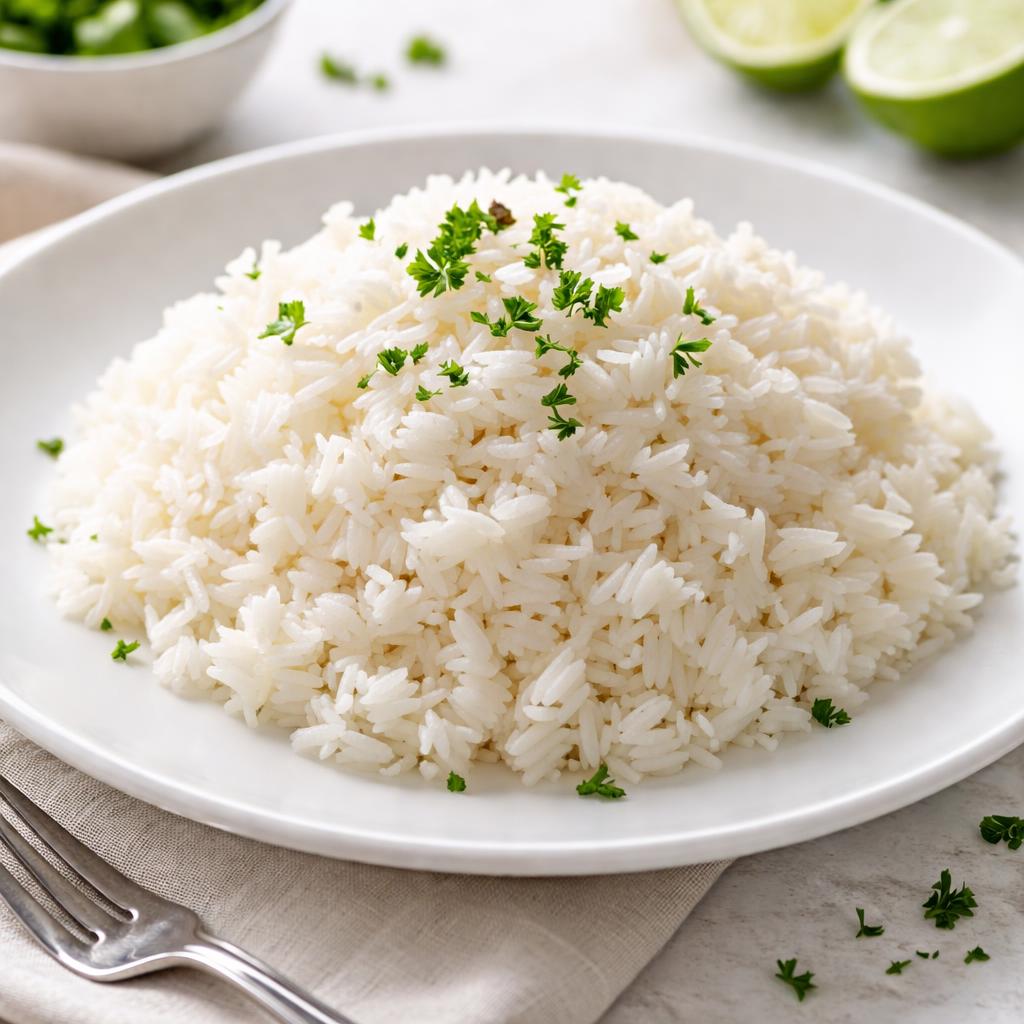
Jasmine Rice
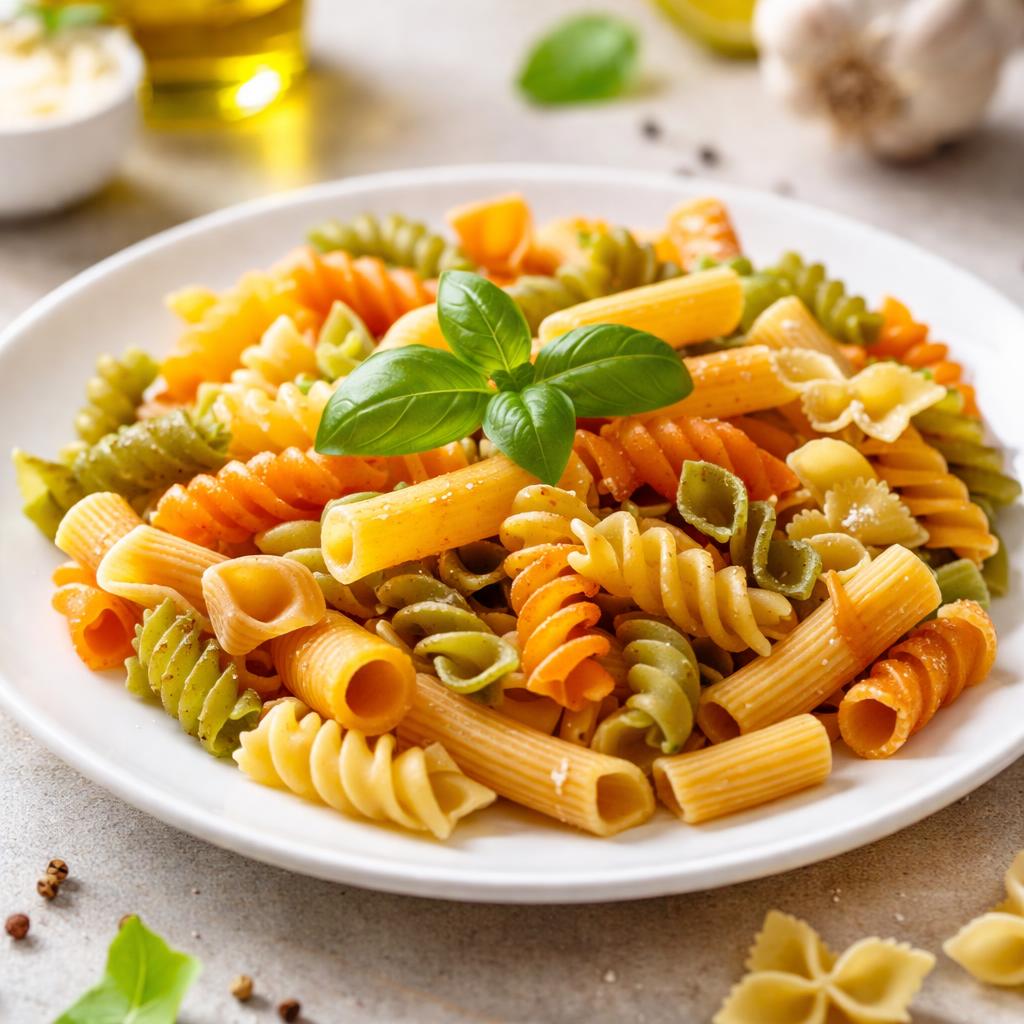
Dry Pasta
🎯 Quick Verdict
Jasmine rice is lower in calories and carbs compared to dry pasta, making it a lighter choice for meals. Dry pasta, however, provides significantly more protein and fiber, making it better for satiety and muscle support. Jasmine rice is ideal for quick energy, while dry pasta is suited for nutrient-dense dishes and higher protein needs.

Smart Nutrition Tracking with SnapCalorie

📊 Nutritional Comparison
Macronutrients
| Nutrient | Food 1 | Food 2 | Winner |
|---|---|---|---|
| Calories | 205 (per 1 cup cooked) | 221 (per 1 cup cooked) | ✓ |
| Protein | 4g | 8g | ✓ |
| Carbs | 45g | 43g | ✓ |
| Fat | 0.4g | 1.3g | ✓ |
| Fiber | 0.6g | 2.5g | ✓ |
Vitamins & Minerals
| Nutrient | Food 1 | Food 2 | Winner |
|---|---|---|---|
| Vitamin B6 | 0.02mg | 0.04mg | ✓ |
| Folate | 1mcg | 109mcg | ✓ |
| Iron | 0.3mg | 1.3mg | ✓ |
🏆 Category Winners
Protein
Dry pasta provides twice as much protein per serving compared to jasmine rice.
Fiber
Dry pasta has over 4 times more fiber per serving.
Calories
Jasmine rice has slightly fewer calories compared to dry pasta, making it lighter.
🥗 Diet Compatibility
Keto
Food 1: Not Compatible
Food 2: Not Compatible
Both foods are high-carb, exceeding typical keto limits.
Vegan
Food 1: Compatible
Food 2: Compatible
Both are plant-based and free of animal products.
Gluten Free
Food 1: Compatible
Food 2: Not Compatible
Jasmine rice is naturally gluten-free, but dry pasta contains wheat unless explicitly labeled gluten-free.
Paleo
Food 1: Compatible
Food 2: Not Compatible
Jasmine rice can fit into some paleo diets, but pasta is processed and not allowed in strict paleo regimes.
Low-Carb
Food 1: Not Compatible
Food 2: Not Compatible
Both foods are high in carbohydrates and not suitable for low-carb diets.
💪 Health Benefits Comparison
Food 1 Benefits
- Provides quick-digesting energy due to high carbohydrate content
- Naturally gluten-free for those with celiac disease or gluten intolerance
- Low-fat option for lighter meals
Food 2 Benefits
- High in protein to support muscle maintenance and repair
- Rich in fiber to aid digestion and promote satiety
- Contains folate, which is important for cell health and preventing certain deficiencies
✅ The Bottom Line
Choose jasmine rice for low-calorie, quick energy meals or gluten-free diets. Opt for dry pasta in meals requiring higher protein, fiber, and nutrient density. Pasta serves well for muscle support and satiety, while rice excels in light and easily digestible dishes.
Choose Food 1 for: Quick energy meals, gluten-free diets, light calorie-conscious dishes
Choose Food 2 for: High-protein meals, satisfaction and fullness, nutrient-dense recipes


