Jasmine Rice VS Cooked White Rice
A detailed nutritional comparison
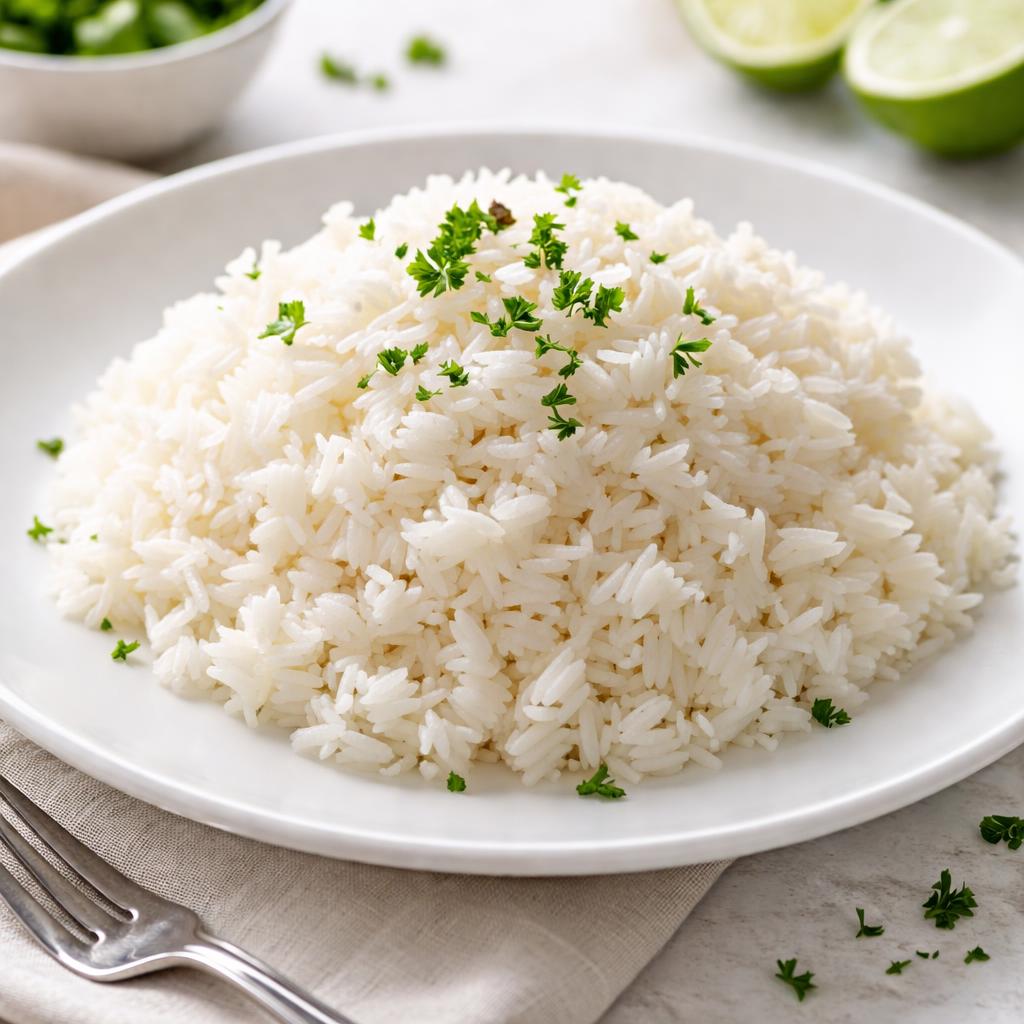
Jasmine Rice
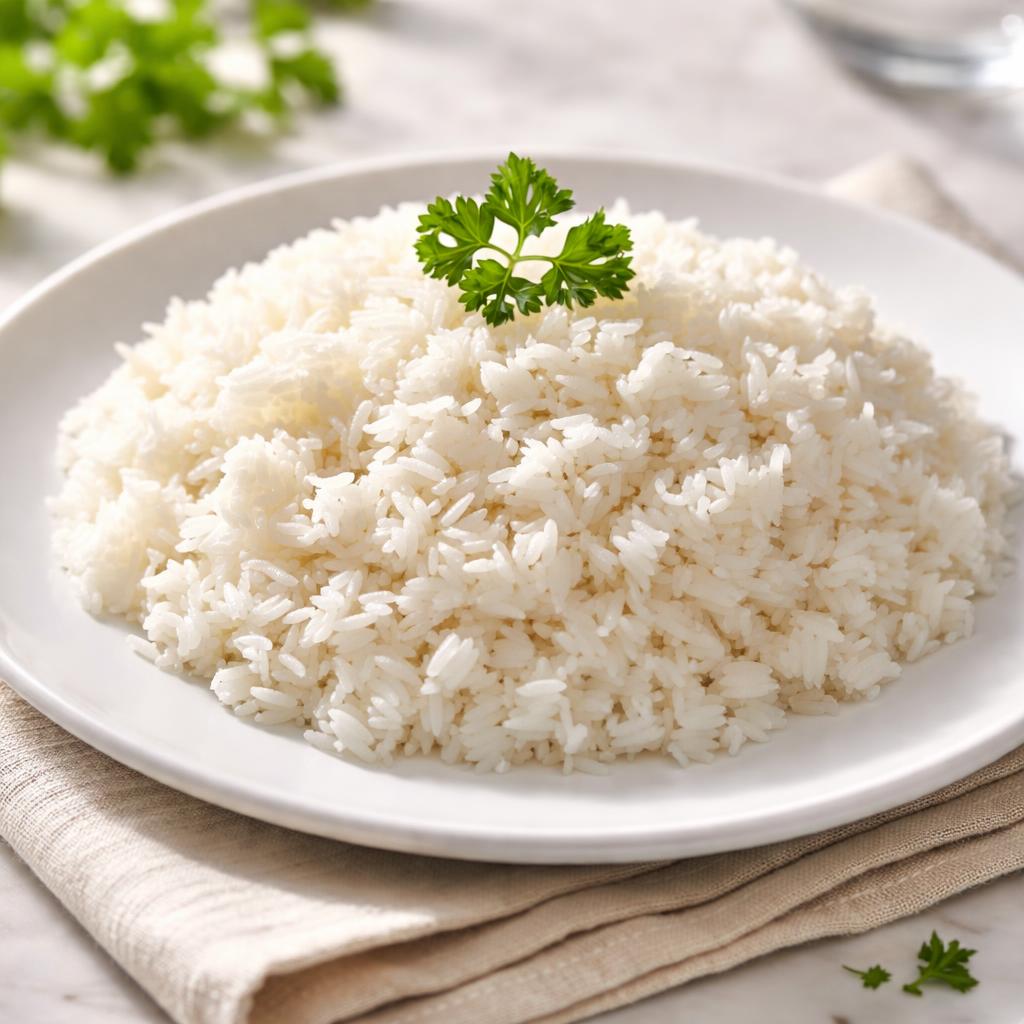
Cooked White Rice
🎯 Quick Verdict
Jasmine rice and cooked white rice are similar in nutritional content, with white rice having slightly fewer calories per serving. Both are low in protein and fiber, making them more suitable for energy-dense meals rather than nutrient-rich diets. Jasmine rice is preferred for its delicate aroma and taste, while white rice is a versatile base for various dishes.

Smart Nutrition Tracking with SnapCalorie

📊 Nutritional Comparison
Macronutrients
| Nutrient | Food 1 | Food 2 | Winner |
|---|---|---|---|
| Calories | 180 (per 1 cup cooked) | 150 (per 1 cup cooked) | ✓ |
| Protein | 4g | 4g | − |
| Carbs | 39g | 34g | ✓ |
| Fat | 0.5g | 0.3g | ✓ |
| Fiber | 0.6g | 0.6g | − |
Vitamins & Minerals
| Nutrient | Food 1 | Food 2 | Winner |
|---|---|---|---|
| Vitamin D | 0mcg | 0mcg | − |
| Calcium | 4mg | 5mg | ✓ |
| Iron | 0.3mg | 0.5mg | ✓ |
🏆 Category Winners
Protein
Both foods provide equal amounts of protein (4g per cup).
Fiber
Both contain minimal fiber (0.6g per cup).
Calories
Cooked white rice has 16% fewer calories per serving compared to jasmine rice.
Vitamins
Cooked white rice provides slightly higher calcium and iron levels.
🥗 Diet Compatibility
Keto
Food 1: Not Compatible
Food 2: Not Compatible
Both are high-carb foods with 34-39g of carbs per serving.
Vegan
Food 1: Compatible
Food 2: Compatible
Both are plant-based and free of animal products.
Gluten Free
Food 1: Compatible
Food 2: Compatible
Rice is naturally gluten-free.
Paleo
Food 1: Compatible
Food 2: Compatible
Both are acceptable under paleo guidelines for grains.
Low-Carb
Food 1: Not Compatible
Food 2: Not Compatible
Neither qualifies as low-carb due to high carbohydrate content.
💪 Health Benefits Comparison
Food 1 Benefits
- Provides quick energy due to high carbohydrate content
- Low-fat option for calorie-controlled diets
- Delicate fragrance enhances culinary appeal
Food 2 Benefits
- Slightly fewer calories make it better for weight management
- Good base for balanced meals and versatile recipes
- Higher micronutrient content compared to jasmine rice
✅ The Bottom Line
Choose jasmine rice for its unique aroma and slightly richer calorie content, making it ideal for flavorful dishes. Opt for plain cooked white rice for fewer calories and a neutral flavor that works in a wide range of recipes. Both are best suited for energy-dense meals rather than high-protein or high-fiber diets.
Choose Food 1 for: Flavorful Asian-inspired dishes, energy needs, aromatic meals
Choose Food 2 for: Weight management, versatile meal bases, nutrient-added dishes


