Instant Noodles VS Sour Dough Bread
A detailed nutritional comparison
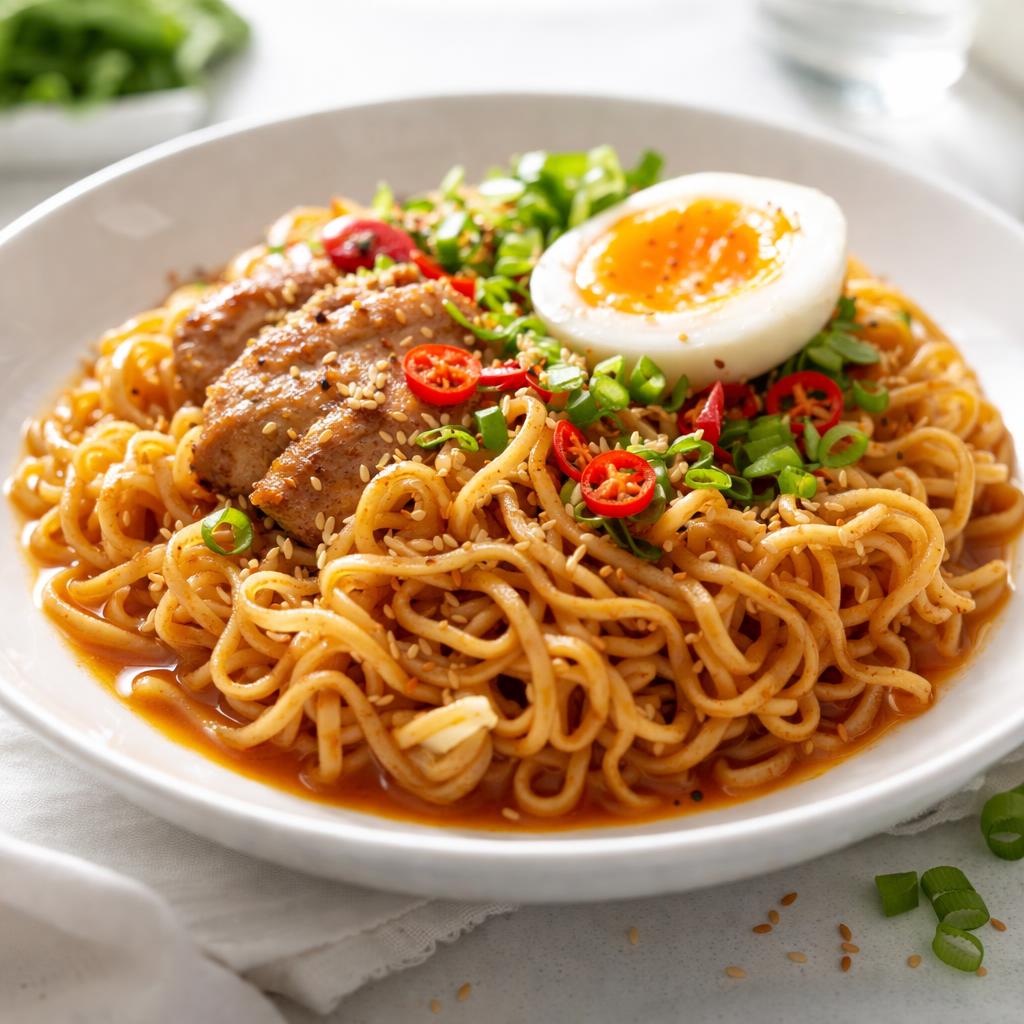
Instant Noodles
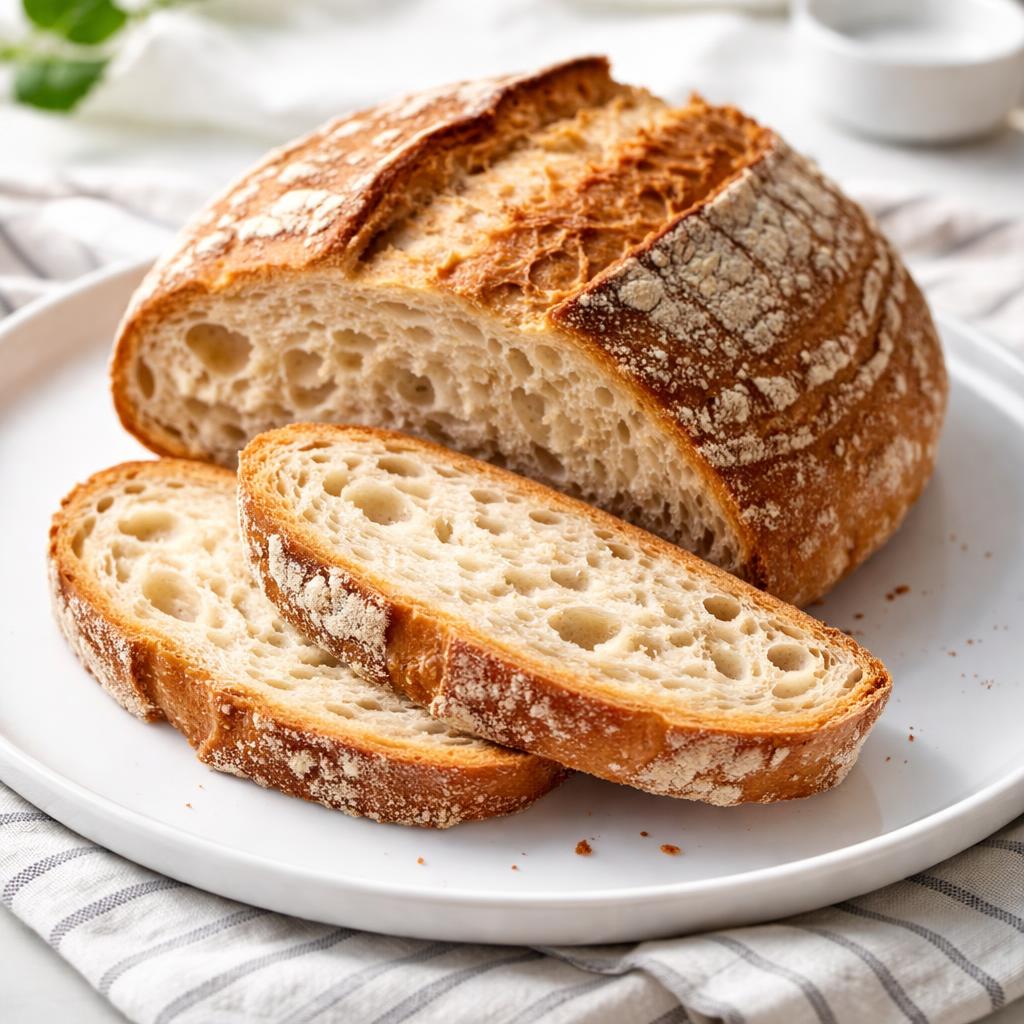
Sour Dough Bread
🎯 Quick Verdict
When comparing instant noodles against sourdough bread, sourdough emerges as a healthier choice overall due to its higher protein, fiber, and vitamin content while being lower in calories. Instant noodles offer convenience but are higher in unhealthy fats, sodium, and calories, making them less optimal for regular consumption. Sourdough bread suits balanced diets and provides sustained energy from complex carbs.

Smart Nutrition Tracking with SnapCalorie

📊 Nutritional Comparison
Macronutrients
| Nutrient | Food 1 | Food 2 | Winner |
|---|---|---|---|
| Calories | 380 | 166 | ✓ |
| Protein | 8g | 9g | ✓ |
| Carbs | 52g | 33g | ✓ |
| Fat | 14g | 1g | ✓ |
| Fiber | 2g | 2.7g | ✓ |
Vitamins & Minerals
| Nutrient | Food 1 | Food 2 | Winner |
|---|---|---|---|
| Vitamin D | 0mcg | 0mcg | − |
| Calcium | 20mg | 20mg | − |
| Iron | 1.5mg | 2.5mg | ✓ |
🏆 Category Winners
Protein
Sourdough bread has slightly more protein per serving.
Fiber
Sourdough bread has 35% more fiber per serving than instant noodles.
Calories
Sourdough bread contains over 50% fewer calories compared to instant noodles.
Vitamins
Sourdough bread typically contains more bioavailable iron.
🥗 Diet Compatibility
Keto
Food 1: Not Compatible
Food 2: Not Compatible
Both are high-carb foods, unsuitable for ketogenic diets.
Vegan
Food 1: Depends on brand
Food 2: Compatible
Instant noodles may contain animal-derived flavoring, while sourdough bread is typically plant-based.
Gluten Free
Food 1: Not Compatible
Food 2: Not Compatible
Both foods contain gluten, unfit for gluten-free diets.
Paleo
Food 1: Not Compatible
Food 2: Not Compatible
Neither food fits paleolithic dietary guidelines.
Low Carb
Food 1: Not Compatible
Food 2: Not Compatible
Both foods are relatively high in carbohydrates.
💪 Health Benefits Comparison
Food 1 Benefits
- Quick and inexpensive meal option
- Provides energy from carbohydrates
- Convenient for high-calorie diets
Food 2 Benefits
- Good source of fiber for digestive health
- Provides longer-lasting energy due to complex carbs
- Contains bioavailable iron for blood health
- Lower in unhealthy fats and sodium compared to instant noodles
✅ The Bottom Line
Sourdough bread is a much healthier option than instant noodles, offering lower calories, higher fiber, and better nutrient density ideal for balanced meals. Instant noodles may be appealing as a quick solution but carry high sodium and fat content, making them suitable only for occasional use.
Choose Food 1 for: Convenience, quick meals, caloric surpluses
Choose Food 2 for: Balanced diets, energy for daily activities, nutrient-dense snacks


