Instant Noodles VS Soba Noodles
A detailed nutritional comparison
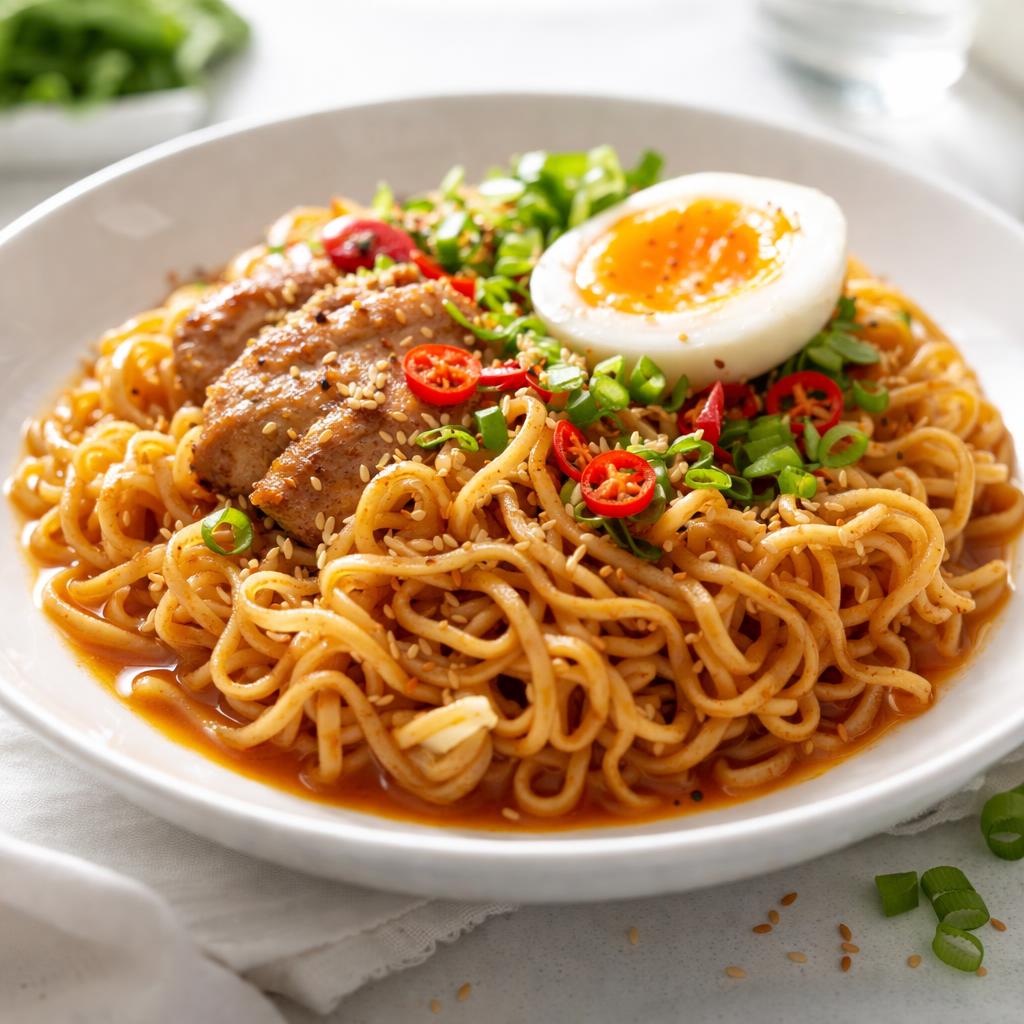
Instant Noodles
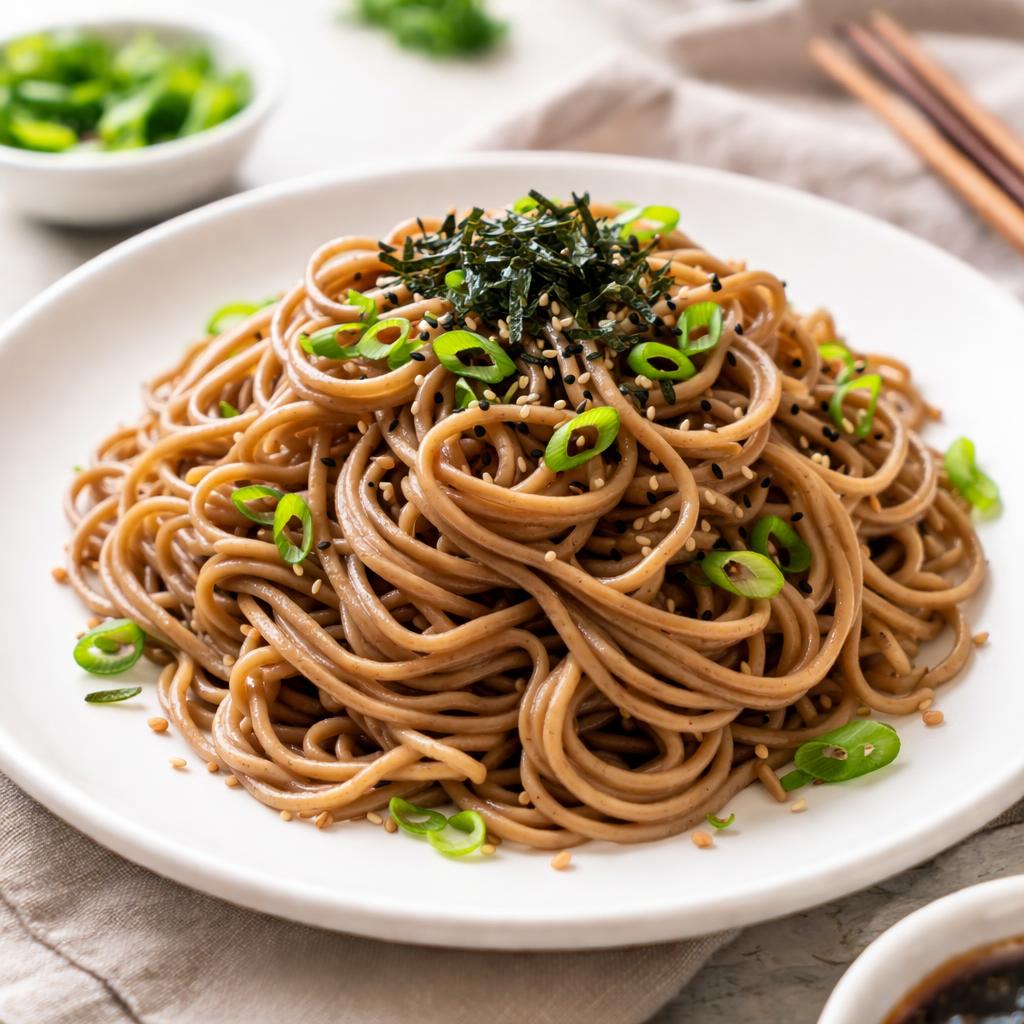
Soba Noodles
🎯 Quick Verdict
Soba noodles are a healthier choice overall compared to instant noodles due to their higher protein and fiber content and significantly lower calorie count. Instant noodles are processed and often loaded with unhealthy fats and sodium, while soba noodles are nutritionally dense and more versatile in healthy diets such as vegan and gluten-free lifestyles.

Smart Nutrition Tracking with SnapCalorie

📊 Nutritional Comparison
Macronutrients
| Nutrient | Food 1 | Food 2 | Winner |
|---|---|---|---|
| Calories | 380 | 210 | − |
| Protein | 7g | 13g | − |
| Carbs | 52g | 42g | − |
| Fat | 15g | 1g | − |
| Fiber | 2g | 3g | − |
Vitamins & Minerals
| Nutrient | Food 1 | Food 2 | Winner |
|---|---|---|---|
| Vitamin D | 0mcg | 0mcg | − |
| Calcium | 20mg | 10mg | − |
| Iron | 3mg | 2.5mg | − |
🏆 Category Winners
Protein
Soba noodles contain almost double the protein compared to instant noodles.
Fiber
Soba noodles provide 50% more fiber per serving.
Calories
Soba noodles have 45% fewer calories per serving, making them a lower-calorie option.
🥗 Diet Compatibility
Keto
Food 1: Not Compatible
Food 2: Not Compatible
Both are high in carbohydrates.
Vegan
Food 1: Conditionally Compatible
Food 2: Compatible
Instant noodles may contain animal-derived additives, while soba noodles are typically vegan.
Gluten Free
Food 1: Not Compatible
Food 2: Conditionally Compatible
Most soba noodles are mainly buckwheat but may contain wheat flour; instant noodles contain gluten.
Paleo
Food 1: Not Compatible
Food 2: Not Compatible
Both foods are grain-based, not paleo-friendly.
Low Carb
Food 1: Not Compatible
Food 2: Not Compatible
Both are high-carb foods unsuitable for low-carb diets.
💪 Health Benefits Comparison
Food 1 Benefits
Food 2 Benefits
✅ The Bottom Line
Soba noodles are the better choice for those looking for a nutritious and balanced meal, as they are higher in protein and fiber and lower in calories and fat than instant noodles. Instant noodles, on the other hand, are best for convenience or a quick indulgent craving but should be consumed sparingly due to their low nutrient density and high fat and sodium levels.
Choose Food 1 for: Quick snacks or survival food, occasional indulgence
Choose Food 2 for: Balanced meals, active lifestyles, and heart-healthy diets


