Garlic Bread VS Ciabatta Bread
A detailed nutritional comparison
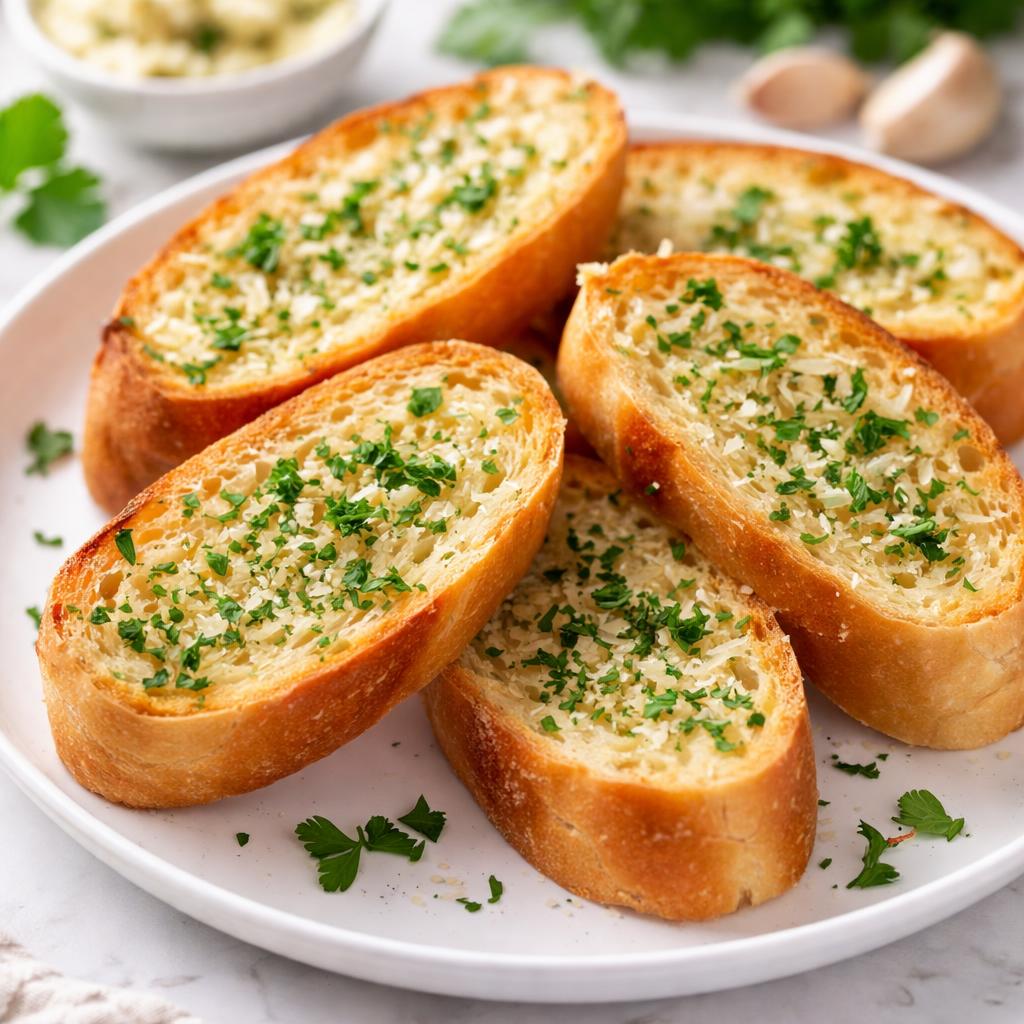
Garlic Bread
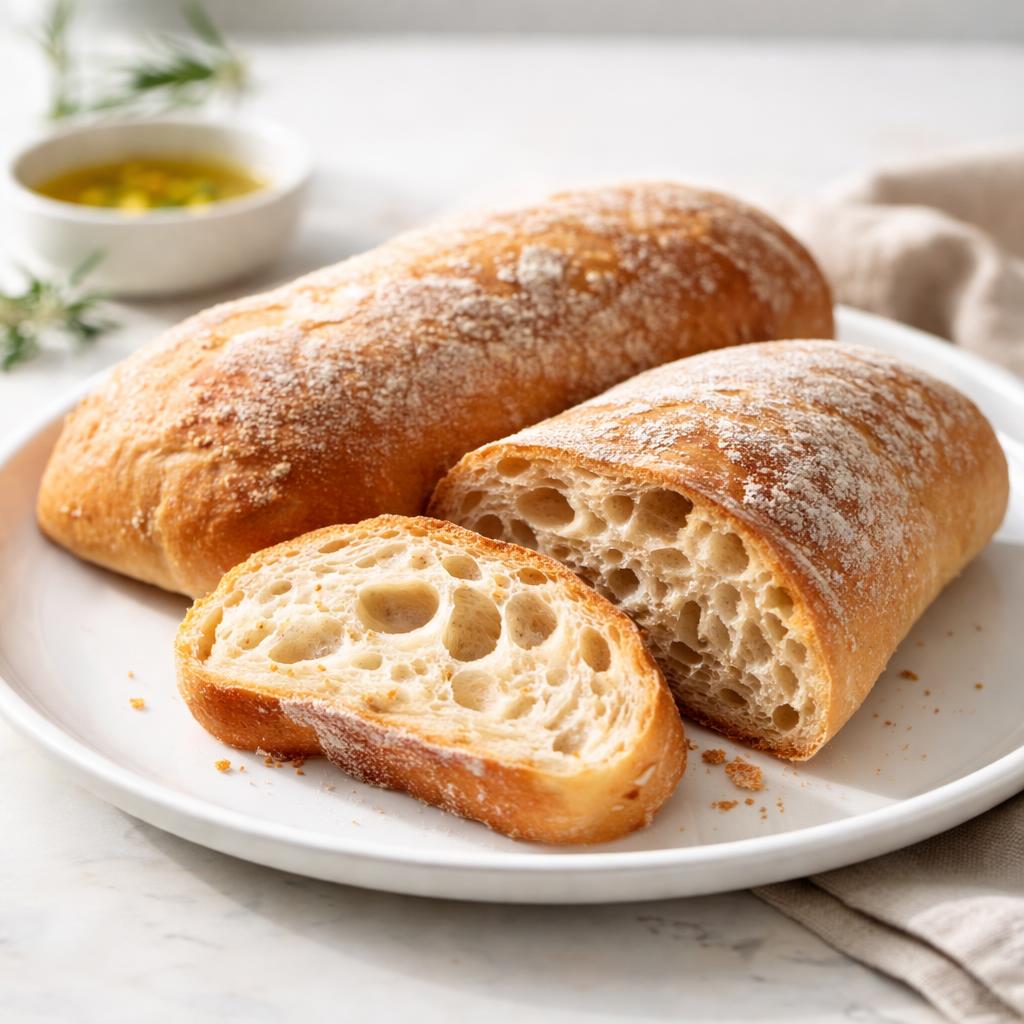
Ciabatta Bread
🎯 Quick Verdict
Garlic bread and ciabatta bread differ in nutritional profiles and best uses. Garlic bread is higher in calories due to added butter and oil but provides more fiber. Ciabatta bread contains fewer calories and slightly less fat, making it a lighter option for meals. Garlic bread is better suited for flavor-rich dishes, while ciabatta works well as a versatile bread for sandwiches and soups.

Smart Nutrition Tracking with SnapCalorie

📊 Nutritional Comparison
Macronutrients
| Nutrient | Food 1 | Food 2 | Winner |
|---|---|---|---|
| Calories | 200 | 150 | ✓ |
| Protein | 5g | 5g | − |
| Carbs | 22g | 30g | ✓ |
| Fat | 10g | 2g | ✓ |
| Fiber | 2g | 1g | ✓ |
Vitamins & Minerals
| Nutrient | Food 1 | Food 2 | Winner |
|---|---|---|---|
| Vitamin D | 0mcg | 0mcg | − |
| Calcium | 80mg | 30mg | ✓ |
| Iron | 1mg | 0.8mg | ✓ |
🏆 Category Winners
Protein
Both provide the same amount of protein per serving.
Fiber
Garlic bread offers double the fiber content.
Calories
Ciabatta bread has 25% fewer calories compared to garlic bread.
Vitamins
Garlic bread supplies higher calcium and iron levels.
🥗 Diet Compatibility
Keto
Food 1: Not Compatible
Food 2: Not Compatible
Both are high in carbohydrates and unsuitable for keto diets.
Vegan
Food 1: Not Compatible
Food 2: Compatible
Garlic bread typically contains butter; ciabatta contains no animal products.
Gluten Free
Food 1: Not Compatible
Food 2: Not Compatible
Both contain gluten due to wheat content.
Paleo
Food 1: Not Compatible
Food 2: Not Compatible
Neither aligns with a paleo approach due to processed grains.
Low-Carb
Food 1: Not Compatible
Food 2: Not Compatible
Both have high carb content.
💪 Health Benefits Comparison
Food 1 Benefits
- Provides added antioxidants from garlic
- Higher fiber content supports digestion
- Rich flavor complements dishes well
Food 2 Benefits
- Lower calorie option for lighter meals
- Less fat for heart health
- Simple ingredient profile suitable for various diets
✅ The Bottom Line
Garlic bread adds bold flavors and works best as a side dish alongside pasta or salads, whereas ciabatta bread offers a lighter, versatile option for sandwiches and soups. Choose garlic bread for indulgence and ciabatta for balanced meals.
Choose Food 1 for: Flavorful side dishes, higher fiber meals
Choose Food 2 for: Lighter meals, vegan and low-fat diets


