Fusilli Pasta VS Curd Rice
A detailed nutritional comparison
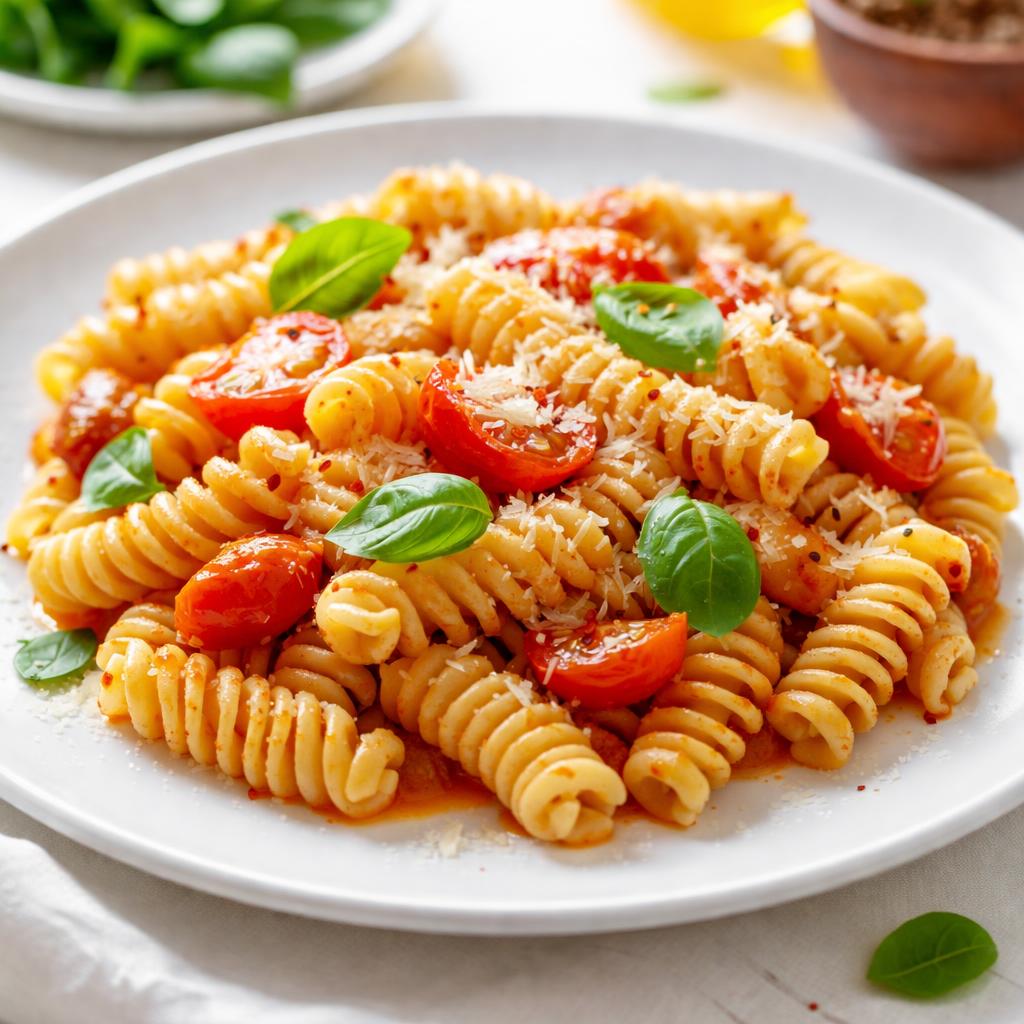
Fusilli Pasta
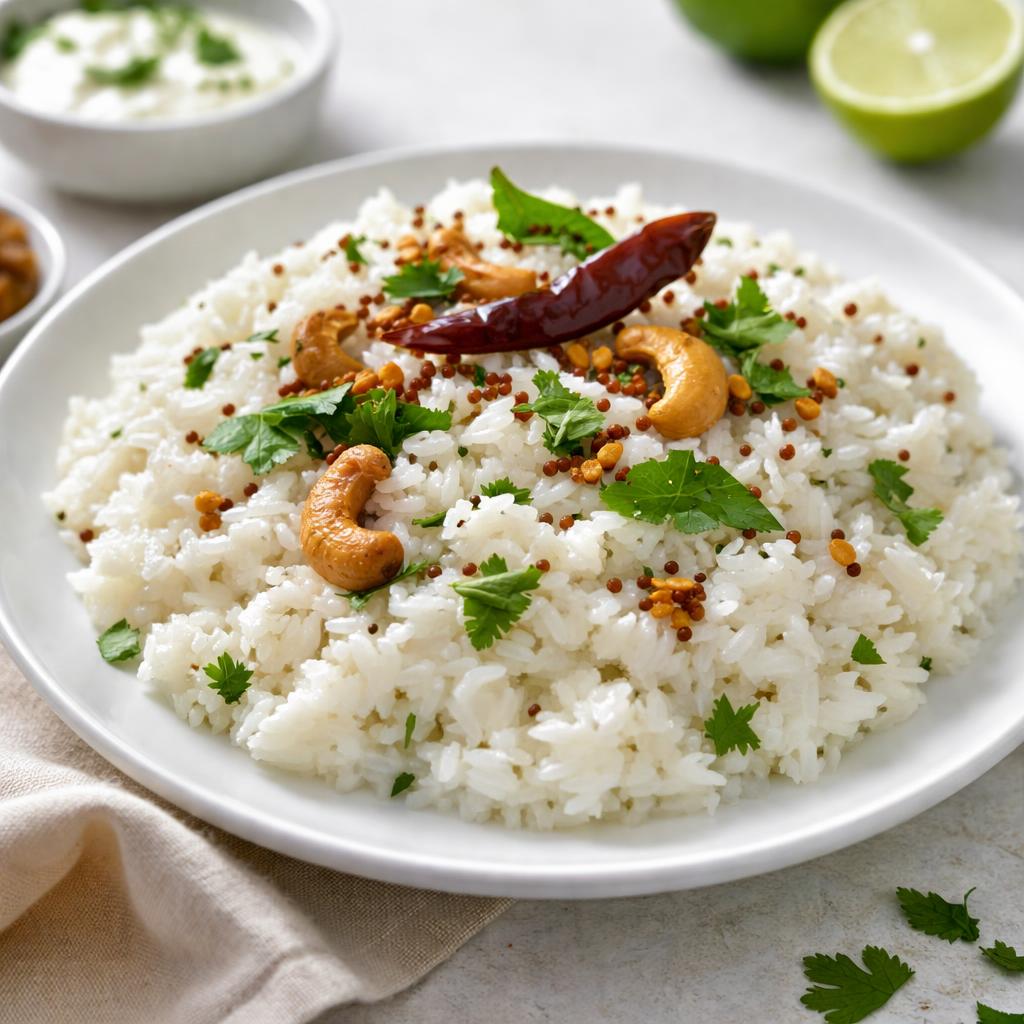
Curd Rice
🎯 Quick Verdict
Fusilli pasta and curd rice are both satisfying carb-rich options but serve different nutritional goals. Fusilli pasta excels in protein content and is slightly higher in fiber, making it suitable for active individuals or muscle maintenance. Curd rice is lower in calories and contains probiotics due to the curd, making it great for digestion and light meals. Best use depends on individual health goals.

Smart Nutrition Tracking with SnapCalorie

📊 Nutritional Comparison
Macronutrients
| Nutrient | Food 1 | Food 2 | Winner |
|---|---|---|---|
| Calories | 158 (per 100g cooked) | 110 (per 100g cooked) | ✓ |
| Protein | 5.5g | 3.5g | ✓ |
| Carbs | 31g | 15g | ✓ |
| Fat | 0.9g | 2.0g | ✓ |
| Fiber | 1.8g | 1.8g | − |
Vitamins & Minerals
| Nutrient | Food 1 | Food 2 | Winner |
|---|---|---|---|
| Vitamin D | 0mcg | 0mcg | − |
| Calcium | 17mg | 77mg | ✓ |
| Iron | 1.5mg | 0.2mg | ✓ |
🏆 Category Winners
Protein
Fusilli pasta contains 57% more protein per serving.
Fiber
Both foods have equal fiber content, supporting digestion.
Calories
Curd rice contains about 30% fewer calories than fusilli pasta.
Vitamins
Curd rice is much higher in calcium, benefiting bone health.
🥗 Diet Compatibility
Keto
Food 1: Not Compatible
Food 2: Not Compatible
Both are carb-rich and unsuited for keto diets.
Vegan
Food 1: Compatible
Food 2: Not Compatible
Curd rice contains dairy, while fusilli pasta (made without eggs) is vegan-friendly.
Gluten Free
Food 1: Not Compatible
Food 2: Compatible
Fusilli pasta contains gluten, but curd rice is gluten-free.
Paleo
Food 1: Not Compatible
Food 2: Not Compatible
Neither aligns with paleo dietary principles.
Low-Carb
Food 1: Not Compatible
Food 2: Not Compatible
Both foods are high in carbohydrates.
💪 Health Benefits Comparison
Food 1 Benefits
- Rich in complex carbohydrates for sustained energy
- Higher protein content supports muscle maintenance
- Low fat, making it suitable for balanced diets
Food 2 Benefits
- Contains probiotics for gut health
- Lower in calories, ideal for light meals
- High calcium content for bone support
✅ The Bottom Line
Fusilli pasta is ideal for active individuals needing protein and consistent energy, while curd rice is better for digestion, lighter meals, and bone health due to its calcium and probiotic content. Both foods can play different roles in a balanced diet based on individual needs.
Choose Food 1 for: Active individuals, moderate protein diets, balanced meals
Choose Food 2 for: Light, easy-to-digest meals, gut health, nutrient density


